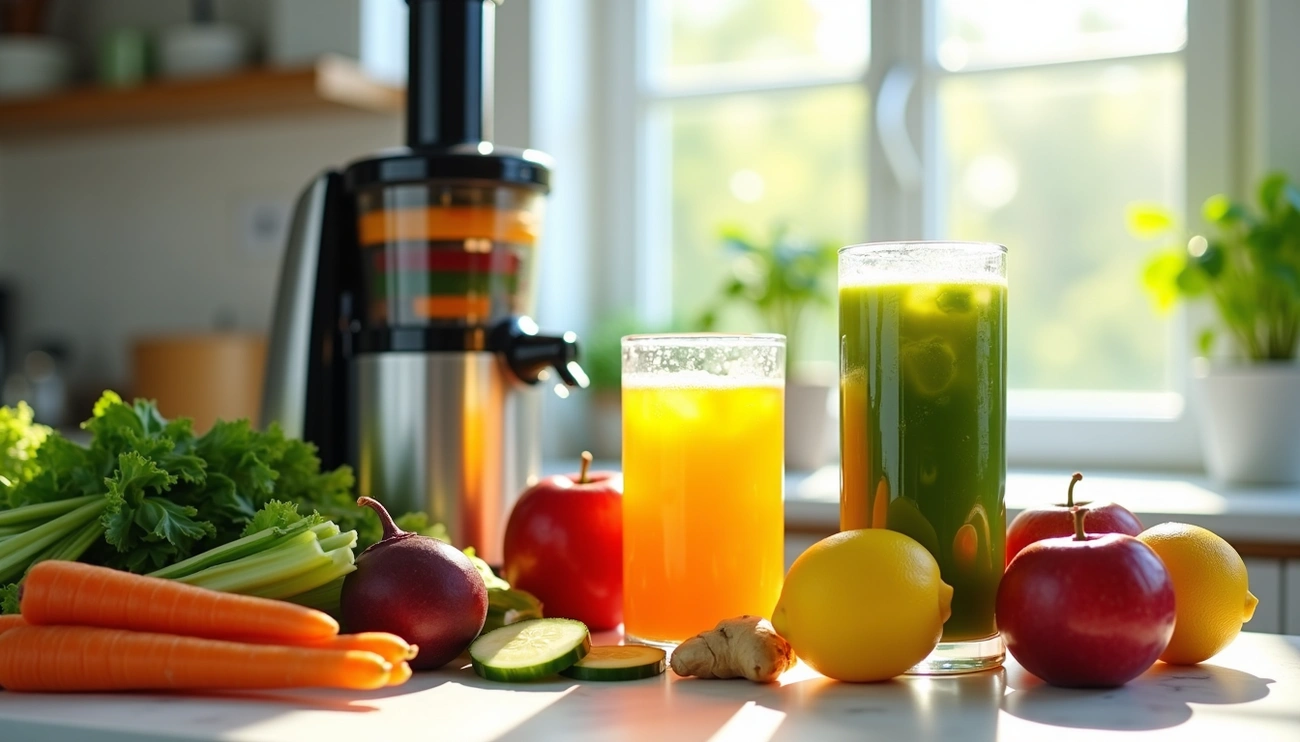
The 10 benefits of juicing include increased vitamin and antioxidant intake, improved digestion, higher energy levels, stronger immune support, and better hydration. Juicing also supports weight loss, promotes heart health, enhances skin clarity, improves hair strength, and delivers concentrated nutrients from fruits and vegetables in one serving.
Juicing delivers fast-absorbing nutrients
The science behind juicing reveals why it’s more than just a trendy health practice. Juicing fundamentally transforms solid produce into a nutrient-rich liquid that your body can process with minimal digestive effort. This process delivers a concentrated dose of essential nutrients that can quickly enter your bloodstream.
Why liquid form matters
Juicing works by breaking down the cell walls of fruits and vegetables, which essentially pre-digests these foods for you. Consequently, your body doesn’t need to expend as much energy breaking down fiber and tough plant materials. Research shows this matters significantly for nutrient absorption—two randomized controlled trials discovered that beneficial compounds like β-cryptoxanthin, hesperidin, and narirutin were substantially more bioavailable from 100% orange juice than from whole oranges, despite whole fruit having higher levels of these compounds.
This increased absorption happens primarily for two reasons. First, the higher pectin levels in whole fruits can inhibit absorption. Second, juicing physically disrupts plant cell walls, leading to greater release of polyphenols. Moreover, studies found that carotenoids in orange juice appear in droplet form, which may explain why absorption from juice exceeds that from whole fruits.
The proof is in the numbers: one 3-week study found that 13 healthy adults who drank 236 mL of orange juice three times daily saw vitamin C levels increase by 59%, folate levels rise by 46%, polyphenol levels jump by eight times, and carotenoid levels increase by 22%. Notably, when comparing packaged versus fresh-squeezed orange juice, approximately three times more hesperetin (a metabolite of hesperidin) appears in blood after drinking packaged orange juice.
Key vitamins and minerals in fresh juice
Fresh juices deliver an impressive array of nutrients that vary based on the ingredients you choose:
- Vitamin C – Abundant in citrus juices, this powerful antioxidant supports immune function and enhances iron absorption from plant foods
- Vitamin A and beta-carotene – Found in carrot, spinach, and kale juices, these nutrients support vision, immune function, and skin health
- B vitamins – Present in leafy greens, beets, and citrus, they support energy production, DNA synthesis, and cell development
- Potassium – Found in banana, orange, and spinach juices, this mineral regulates fluid balance and supports heart function
- Vitamin K – Prominent in green juices from kale and spinach, it’s essential for bone health and blood clotting
The bioavailability advantage makes a meaningful difference. Unlike pills or capsules that must dissolve before releasing their nutrients—a process affected by age, stomach acid levels, medications, and digestive issues—liquid nutrients don’t require this breakdown. This is particularly beneficial for people with sensitive digestion or absorption challenges.
I’ve noticed that many juicing skeptics focus exclusively on the sugar content or fiber loss. However, the evidence clearly shows that juicing provides unique benefits through enhanced nutrient delivery. The key is to use juicing as a supplement to a healthy diet rather than a replacement for whole foods.
Boosts your immune system naturally
Drinking fresh juice delivers a powerful boost to your immune defenses through concentrated doses of key nutrients. Fresh juices offer a natural way to strengthen your body’s ability to fight off infections and illness. Studies show that immune-boosting juices provide essential vitamins, minerals, and antioxidants that work together to enhance immune function and reduce inflammation.
Vitamin C and antioxidants
The immune-supporting power of juicing primarily comes from its high concentration of vitamin C and other antioxidants. Fresh juices, specifically citrus-based ones, contain substantial amounts of vitamin C, which plays a critical role in supporting immune health. This essential nutrient actively stimulates the production of white blood cells—your body’s frontline defenders against infections.
What makes vitamin C especially remarkable for immunity is how immune cells actively accumulate it. Interestingly, cells of the immune system concentrate vitamin C against a gradient, resulting in cellular concentrations up to 50-100 times higher than those found in plasma. Neutrophils, a type of immune cell, can accumulate vitamin C to achieve intracellular concentrations of 1 mM or more.
Fresh orange juice illustrates this benefit perfectly. One study found that drinking 500 mL of orange juice daily increased plasma vitamin C concentrations and simultaneously reduced levels of 8-epi-PGF2α, a marker of oxidative stress. This inverse relationship (r = −0.791) demonstrates how vitamin C from juice directly combats damaging free radicals.
Beyond vitamin C, juices provide a spectrum of antioxidants that protect immune cells:
- Flavonoids – These natural compounds found in citrus and berries work synergistically with vitamin C to enhance its antioxidant effects
- Anthocyanins – Present in berries and pomegranates, these antioxidants give dark-colored fruits their rich hues
- Carotenoids – Found in orange and red produce, they support immune cell function
How juicing supports immune cells
The concentrated nutrients in fresh juices support immunity through multiple mechanisms. Vitamin C specifically maintains and enhances natural killer cell activity, which targets and destroys infected cells. Likewise, it promotes T-lymphocyte proliferation and increases antibody production when these cells are incubated with the vitamin.
Throughout the body, vitamin C accumulates in various immune cells to support their function. This accumulation is particularly important since vitamin C is water-soluble and doesn’t stay in your system—your body excretes excess through urine. Dividing your juice intake into 2-3 doses throughout the day helps maintain steady vitamin C levels, as blood concentrations typically peak 2-3 hours after consumption.
Naturally, juicing supports immune function by delivering anti-inflammatory compounds. Many juice ingredients contain substances that help counteract inflammation, which we typically experience as fever when sick. Ginger and turmeric juices, specifically, contain compounds that moderate inflammatory responses while allowing immune cells to function effectively.
I’ve found that including curcumin-rich turmeric in juices provides additional immune benefits. Curcumin, the active chemical in fresh turmeric root, promotes antibody responses that help fight off viruses more quickly. Similarly, honey (which can be added to juices) increases lymphocytes that build antibodies and destroy unwanted microbes.
Undoubtedly, the research demonstrates that regular consumption of nutrient-rich juices strengthens the body’s natural defenses and helps maintain resilience against illness. Drinking immune-supporting juices as part of your daily routine gives your body powerful tools to stay healthy year-round.
Improves digestion and gut health
The gut plays a crucial role as your body’s “second brain,” fundamentally influencing everything from immunity to mood. Fresh juices offer unique advantages for digestive health beyond just their nutrient content. Research shows that drinking fresh juices can improve digestion and support a thriving gut ecosystem in ways whole foods sometimes cannot.
Easier absorption for sensitive stomachs
For those with sensitive digestive systems, juicing provides a welcome relief. Receiving nutrients through cold-pressed juices gives the digestive system a temporary break from breaking down solid foods. This proves particularly beneficial for individuals with sensitive digestive tracts or those recovering from gut-related issues, as the nutrient-rich liquid requires minimal digestive effort.
Cold-pressed juice is gentle on your gut because it’s already in a smooth form. Your body doesn’t have to wrestle with rough produce or heavy fibers—the nutrients simply slide right in. Indeed, this can be especially valuable during times when your digestive system feels overworked or inflamed.
Certain juices contain natural compounds that directly support digestive function:
- Ginger juice increases secretion of digestive enzymes, accelerating digestion and helping settle symptoms like bloating and nausea
- Papaya juice contains the enzyme papain that helps break down proteins, making it ideal for digestion
- Pineapple juice provides bromelain, another protein-digesting enzyme that aids digestion
Altogether, 18 of 21 participants in one study reported improvements in digestive complaints like diarrhea and constipation after just three weeks of juice consumption. This suggests that for many people, incorporating fresh juices can noticeably improve digestive comfort.
Juicing and gut microbiome diversity
Perhaps the most fascinating benefit of juicing relates to its impact on your gut microbiome—the trillions of bacteria that influence digestion, immunity, and even mental health. After 3 weeks of juice consumption, one study observed a significant increase in the richness of gut microbiota (α-diversity). This is notable because decreased alpha diversity has been consistently linked to conditions like Crohn’s disease and IBS.
Juicing concentrates nutrients from fruits and vegetables, creating a dense source of vitamins, minerals, and antioxidants that directly benefit gut bacteria. These nutrients feed beneficial gut bacteria, supporting their growth and activity. A well-nourished microbiome is crucial for overall gut health, playing vital roles in digestion, immune function, and even mental well-being.
The bacterial changes from juicing can be quite specific. One study found that juice consumption was associated with increases in important bacterial populations, primarily:
- Faecalibacterium prausnitzii – the sole known species among Faecalibacterium and one of the most abundant and important commensal bacteria of the healthy human gut
- Bacteroides uniformis – which promotes fiber digestion and immune balance
Throughout the digestive tract, these beneficial bacteria produce short-chain fatty acids via fermentation, which further support gut health. Reduced levels of these beneficial bacteria have been associated with obesity, inflammatory bowel diseases, and even depression.
Initially, some may worry about juicing removing fiber. Although juicing does remove most insoluble fiber, some juice ingredients like spinach and kale contain prebiotic compounds that feed beneficial gut bacteria. These include inulin, a powerful prebiotic that promotes the growth of beneficial Bifidobacteria and Lactobacilli.
For optimal digestive benefits without losing fiber completely, consider using juicing as a complement to—not replacement for—whole fruits and vegetables in your diet. This balanced approach delivers the digestive benefits of juicing while maintaining adequate fiber for long-term gut health.
Increases energy without caffeine
Forget the caffeine jitters—fresh juice provides sustained, natural energy that powers your body without the crash. Many people reach for coffee when feeling tired, but juicing offers a cleaner alternative that energizes you through nutrients rather than stimulants.
How nutrients fuel your cells
Fresh juices energize your body through direct cellular nourishment, not nervous system stimulation. While caffeine temporarily makes you feel awake by blocking adenosine receptors in your brain, juices deliver actual fuel your cells can use efficiently. This fundamental difference explains why juice provides steadier energy without the anxiety, rapid heart rate, or afternoon crashes associated with caffeine.
Several key nutrients in juice directly power your cellular engines:
- Iron-rich spinach transports oxygen throughout your body, improving cellular function and making you feel more alert and awake
- Nitrate-packed beetroot enhances blood flow and stamina—perfect for sustained energy
- Circulation-boosting ginger increases oxygen delivery to your brain for improved mental clarity
- Carbohydrate-rich apples provide immediate energy sources through natural sugars
The energy from juicing often feels different—more balanced and sustained. One study found that when combining high-fiber ingredients like leafy greens with fruits containing natural sugars, you prevent the energy dips typically associated with sugar consumption alone. First, your body absorbs the quick energy from fruit sugars, then the slower-releasing nutrients from vegetables maintain energy levels longer.
Interestingly, many energy-boosting juices contain L-tyrosine, particularly those made with kale, which enhances focus alongside energy. This amino acid serves as a building block for dopamine and norepinephrine—neurotransmitters directly involved in alertness and motivation.
Juicing as a pre-workout option
Athletic performance benefits significantly from strategic juice consumption. Recent studies discovered that certain fruit extracts, particularly beet and cherry, helped athletes go farther and recover more quickly thanks to high levels of nitrates and antioxidants.
Pre-workout juicing provides several advantages:
- Hydration plus nutrients – Fresh juice aids hydration while simultaneously supplying carbohydrates and electrolytes like potassium and magnesium
- Reduced digestive stress – A liquid pre-workout snack helps many runners avoid GI problems that often accompany pre-performance jitters
- Quick energy absorption – When juicing before exercise, your body receives rapidly-absorbed carbohydrates without fiber that might cause stomach discomfort
Timing matters significantly for maximizing benefits. Experts recommend consuming juice 60-120 minutes before exercise—not immediately before lacing up. This window allows proper digestion while maintaining energy availability. For during-workout hydration, dilute your juice substantially—mix 2 cups of water with 1 cup of juice to prevent excess carbohydrate consumption when your muscles are working hard.
Beyond timing, customizing your pre-workout juice makes a difference. For short, high-intensity sessions, emphasize fruits for quick energy. For endurance activities, vegetable-heavy juices with a 50/50 vegetable-to-fruit ratio provide more balanced, sustained fuel. Ultimately, juicing offers a versatile, natural alternative to synthetic pre-workout supplements, delivering actual nourishment alongside energy.
Supports healthy weight management
When it comes to weight management, juicing offers a strategic advantage through nutrient-dense, calorie-controlled options. Many people misunderstand juicing’s role in weight management—it’s not a miracle solution but a helpful tool when used correctly.
Low-calorie, high-nutrient option
Juicing creates beverages that can be significantly lower in calories than many alternatives like sodas or energy drinks. For instance, watermelon juice provides a sweet flavor with approximately 10 grams of sugar per serving compared to almost 40 grams found in a typical can of soda. This calorie difference adds up quickly over time.
The key is choosing the right ingredients. Green juices made primarily from vegetables deliver maximum nutrients with minimal calories. These veggie-focused juices serve as excellent hydration sources while supplying essential electrolytes that support metabolic function.
Even so, it’s important to maintain perspective—juice itself possesses no magical fat-burning properties. Its value comes from:
- Providing essential nutrients that support overall health
- Offering a lower-calorie alternative to many processed beverages
- Helping people who dislike whole produce consume more fruits and vegetables
To maximize weight management benefits, focus on “mostly vegetables, with small portions of fruit for flavor”. This approach minimizes sugar content while maintaining palatability. Vegetable-dominant juices typically contain fewer calories and provide steady energy without blood sugar spikes that can trigger hunger.
Replacing snacks with juice
Strategic juice consumption can create calorie deficits without sacrificing nutrition. Consider replacing your afternoon cookie or chips with vegetable juice instead. Trading your morning brown sugar oatmeal for a nutrient-rich vegetable juice creates another opportunity for calorie reduction.
Regarding timing and quantity, most experts recommend:
- Using juice as a smart snack rather than a meal replacement
- Limiting juice to supplement one meal daily, like breakfast
- Diluting fruit juices with water to reduce calorie density
This measured approach ensures you benefit from juicing without consuming excess sugar or overall calories. Remember—to lose weight, you must maintain a calorie deficit, consuming fewer calories than you burn.
Dr. Kara explains: “using juicing to replace quality meals can lead to extreme calorie deficits while on the other hand supplementing one meal a day, breakfast for example, with juicing can be an easy and convenient way to benefit from the quality nutrients fresh fruits and vegetables have to offer”.
The ideal approach combines juicing with eating whole foods. Consider enjoying your juice alongside meals containing fiber, protein, and healthy fats. These nutrients balance blood sugar levels and promote proper nutrient absorption from the juice. This combination helps you feel satisfied longer, naturally supporting portion control throughout the day.
Hydrates your body effectively
Staying well-hydrated remains one of the most overlooked aspects of health, yet juicing offers a delicious solution to this daily requirement. Our bodies consist of approximately 60% water, making proper hydration essential for virtually every bodily function. First and foremost, dehydration can lead to headaches, fatigue, dizziness, and reduced cognitive performance—none of which contribute to feeling your best.
Water content in fruits and vegetables
Fruits and vegetables used in juicing are nature’s water bottles, often containing 90% or more water. This makes them perfect hydration sources beyond plain water. In essence, when you juice these water-rich foods, you’re extracting their natural moisture alongside valuable nutrients.
Consider these impressive water percentages in common juicing ingredients:
- Watermelon: 91.5% water
- Strawberries: 91% water
- Grapefruit: 90.9% water
- Cucumber: 96% water
- Lettuce: 96% water
- Celery: 95% water
Generally speaking, foods with 85% or more water content can significantly help you stay hydrated. Beyond this, many healthy foods contribute to your daily water intake—in fact, more than 20% of your daily water intake should come from something you eat rather than drink.
Juicing as a hydration supplement
Juicing extracts not just water but also essential electrolytes that your body craves. As a result, fresh juice offers superior hydration compared to plain water in several ways. When sweating, we lose electrolytes including potassium, sodium, magnesium, and calcium. Fresh juices naturally replenish these crucial minerals:
- Coconut water (great in juice blends) provides rich potassium sources
- Leafy greens and citrus offer magnesium and vitamin C
- Celery provides natural sodium in healthy balance
Cold-pressed juice delivers bioavailable hydration, meaning the liquid is absorbed by the body quickly. Subsequently, the nutrients and water enter your bloodstream more rapidly than with whole fruits since the juicing process removes insoluble fiber.
In contrast to dehydration, proper hydration through juicing ensures healthy digestion by promoting regular bowel movements and preventing constipation. Healthy digestion requires adequate hydration, and since juices contain high water content, they help maintain good hydration levels throughout your system.
The color of your urine serves as a quick indicator of your hydration status. If your urine appears very clear, that suggests you’re adequately hydrated. Conversely, darker, more concentrated urine could signal that you need to drink—or juice—more.
Naturally, juicing can also benefit kidney health by providing more fluid to help keep the body hydrated. The kidneys play a vital role in filtering waste, and proper hydration supports their optimal function.
Promotes glowing skin and anti-aging
Your skin reflects your internal health, making juicing a powerful tool for natural beauty enhancement. Fresh juices deliver concentrated nutrients directly to your skin cells, improving appearance from the inside out. First and foremost, proper nutrition plays a fundamental role in maintaining youthful, radiant skin—a connection supported by numerous studies examining the relationship between diet and skin health.
Antioxidants and skin repair
The antioxidants in fresh juices actively protect your skin from oxidative damage caused by free radicals. These unstable molecules contribute to premature aging and dullness by harming skin cells. Juicing extracts powerful compounds that work as your skin’s personal bodyguards against environmental stressors like pollution and UV rays.
Certain juices excel in skin protection:
- Pomegranate juice contains punicalagins and anthocyanins that protect skin cells from oxidative stress and help maintain elasticity as you age
- Berry-based juices provide vitamin C and antioxidants that fight off free radicals while supporting clear skin
- Green juices with kale deliver vitamins A, C, K, and E alongside calcium and beta-carotene that promote skin repair and maintenance
Carrot juice deserves special mention for its high beta-carotene content—a powerful antioxidant that slows cellular degeneration and prevents premature aging signs. This nutrient-rich beverage helps maintain a youthful appearance through its protective properties.
Juicing for collagen support
Collagen provides the foundation for healthy, youthful skin, giving it strength, flexibility, and structure. Unfortunately, collagen production naturally decreases as we age, leading to wrinkles, sagging, and dark circles.
Certainly, vitamin C stands as the most crucial nutrient for collagen synthesis. Citrus juices like orange and lemon are excellent sources of this vital nutrient, directly stimulating collagen production while protecting against oxidative stress. Even better, a study showed that drinking orange juice for 25 days increased carotenoid status by 10%-15%.
For optimal collagen support, try these science-backed juice combinations:
- Citrus-based juices with orange, lemon, and grapefruit provide vitamin C that’s essential for collagen synthesis
- Vegetable juices containing broccoli and celery offer vitamins C and K that help firm the skin
- Specialized collagen-boosting green juices with spinach, cucumber, green apple, and lemon supply vitamin C and minerals
Through regular consumption of these nutrient-rich beverages, you effectively nourish your skin from within, supporting its natural repair processes and maintaining that coveted healthy glow.
Helps detox and cleanse your system
The liver works as your body’s primary filtration system, processing everything you consume while eliminating harmful substances. Juicing provides concentrated nutrients that support this vital organ’s natural cleansing abilities. Primarily, fresh juices deliver antioxidants and compounds that assist your body’s built-in detoxification systems rather than replacing them.
Liver-supporting ingredients
Several juice ingredients stand out for their liver-supporting properties. Beetroot contains betalains that help reduce oxidative stress in the liver while activating bile secretion pathways—a critical mechanism for liver cleansing. This vibrant root vegetable improves blood flow to liver cells, facilitating healing and supporting detox enzyme production.
Carrots offer beta-carotene that protects liver cells and supports bile production involved in fat metabolism. Meanwhile, lemon juice provides vitamin C that enhances the liver’s detoxification capabilities and reduces oxidative stress.
Green vegetables play an equally important role. Cruciferous vegetables like kale and broccoli sprouts contain sulforaphane that activates Phase 2 detoxification enzymes critical for toxin elimination. Dandelion greens, often overlooked, may help reduce liver enzymes and oxidative stress, acting as a natural liver protectant.
Other powerful additions include:
- Fresh ginger – Naturally anti-inflammatory, supporting digestion and gut comfort
- Fresh turmeric root – Contains curcumin that reduces liver inflammation
- Green apple – Adds pectin fiber that helps bind toxins in the digestive system
Juicing and natural detox pathways
Your body’s detoxification occurs through distinct pathways. Firstly, Phase 1 and Phase 2 liver detoxification processes convert toxins into water-soluble compounds that can be eliminated. Certain vegetables like beetroot and cruciferous greens directly support both phases.
Juicing matters for detoxification because it provides hydration, essential vitamins, minerals, and antioxidants that support optimal liver function without overworking this vital organ. The concentrated nutrients in juice help the liver flush waste products through the bloodstream and kidneys.
Nonetheless, it’s important to maintain realistic expectations. While juicing supports natural processes, your liver doesn’t need “flushing”—it needs nutritional support for its self-cleaning mechanisms. As opposed to extreme detox protocols claiming to flush gallstones or toxins (which have no scientific backing and may cause harm), juicing should complement a balanced approach to health.
Enhances heart and joint health
Beyond its many other benefits, juicing offers remarkable support for your cardiovascular system and joints. Regular consumption of certain fresh juices can actively improve heart health while reducing joint discomfort.
Lowering cholesterol and inflammation
Fresh juices contain powerful compounds that directly support heart health. Beetroot juice stands out as particularly effective—it lowers blood pressure within just six hours of consumption and improves circulation by promoting nitric oxide production, which widens blood vessels. This effect reduces stress on your heart and prevents artery hardening.
Several studies confirm that various juices reduce “bad” LDL cholesterol:
- Pomegranate juice decreases arterial stiffness caused by plaque buildup
- Red grape juice protects against oxidized LDL cholesterol
- Orange juice contains hesperidin that lowers cholesterol levels
Many juice ingredients possess natural anti-inflammatory properties, primarily through antioxidants that reduce inflammation inside vessel walls. Given that inflammation drives both heart disease and joint problems, this dual benefit makes juicing especially valuable.
Juicing for mobility and circulation
Joint health improves remarkably through strategic juice choices. Tart cherry juice significantly reduces pain symptoms associated with knee osteoarthritis. In a 120-day study, participants drinking tart cherry juice experienced improved knee mobility and flexibility. Plus, researchers observed decreased levels of YKL-40, a marker of cartilage destruction.
For circulation, beetroot juice works wonders by increasing blood flow, particularly to hypoxic areas of the body. The nitrates in beetroot convert to nitric oxide, a potent vasodilator that improves blood circulation throughout your body.
Other circulation-boosting ingredients include:
- Ginger – prevents blood platelets from sticking together
- Celery – contains phthalides that relax artery walls
- Citrus – strengthens blood vessel walls with vitamin C
Encourages a plant-based lifestyle
Juicing creates a perfect entry point to environmental consciousness while encouraging plant-forward eating habits. The plant-based food industry has grown 7.4% between 2020 and 2021, reflecting a growing interest in plant-based lifestyles that juicing naturally supports.
Reducing food waste with juicing
Juicing offers a powerful solution to food waste through strategic approaches. First, using “ugly” or misshapen produce that would otherwise be discarded provides farmers reliable income while reducing crop waste. This practice also often comes with discounted prices, making juicing more economical.
The environmental impact is substantial—a single 16-ounce cold-pressed juice generates 3.5 pounds of pulp waste. With 100 million servings sold in 2015 alone, this created approximately 175,000 tons of pulp waste. As this pulp decays in landfills, it generates methane equivalent to 200,000 tons of carbon dioxide.
Fortunately, creative pulp repurposing options abound:
- Add to baked goods, veggie burgers, and soups
- Create fruit-infused skincare products
- Compost for nutrient-rich fertilizer
- Make vegetable-infused pet treats
Juicing as a gateway to healthier habits
For many, juicing serves as an introduction to plant-based nutrition. After completing a “juice reboot,” people often transition to incorporating more plant foods daily. This experience creates a foundation for sustainable lifestyle changes rather than temporary diets.
What begins as daily fresh vegetable juice often expands to embracing more plant-based foods naturally. Many report that after incorporating juices, they gradually required fewer animal products, eventually finding they “no longer felt like they needed or wanted them anymore”.
Through juicing, you’ll discover plant foods’ remarkable versatility and taste, making the broader plant-based journey more appealing and achievable.
Conclusion
Juicing stands as one of the most effective ways to transform your health through concentrated plant nutrition. Throughout this article, we’ve seen how this simple practice delivers fast-absorbing nutrients your body can utilize efficiently. Certainly, the immune-boosting properties alone make juicing worthwhile, especially during cold and flu season when your body needs extra vitamin C and antioxidants.
Many people discover that juicing improves their digestion and gut microbiome diversity while simultaneously increasing energy levels without caffeine crashes. Therefore, replacing your morning coffee with green juice might be the energizing change your body needs. Additionally, when used strategically, juices support weight management by providing nutrient-dense, low-calorie options that keep you satisfied.
Hydration remains another significant benefit of regular juicing. Water-rich fruits and vegetables effectively replenish fluids while delivering essential electrolytes your body craves. Meanwhile, your skin reaps amazing rewards from all those concentrated vitamins and antioxidants, promoting collagen production and that coveted healthy glow.