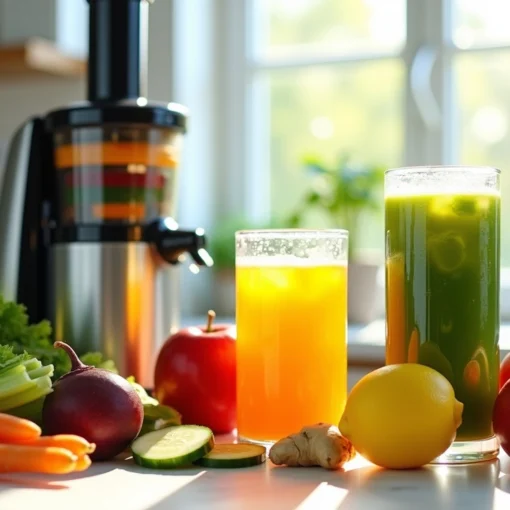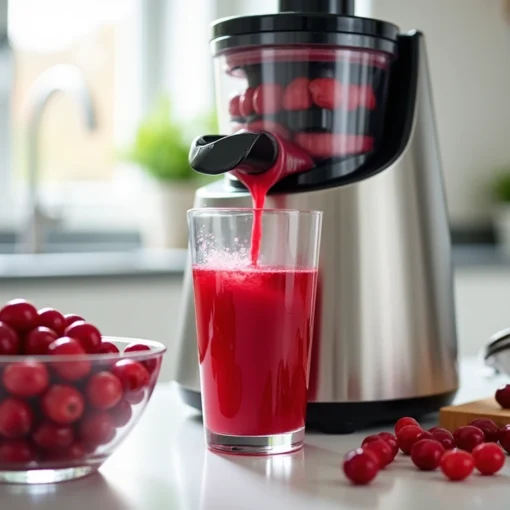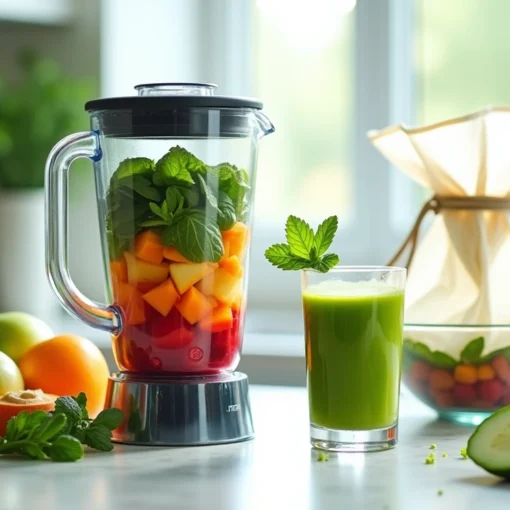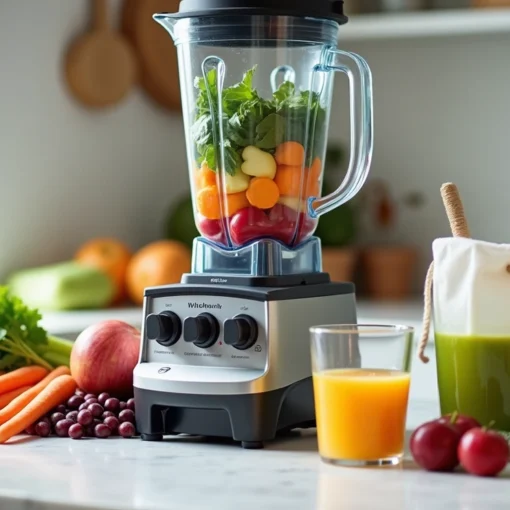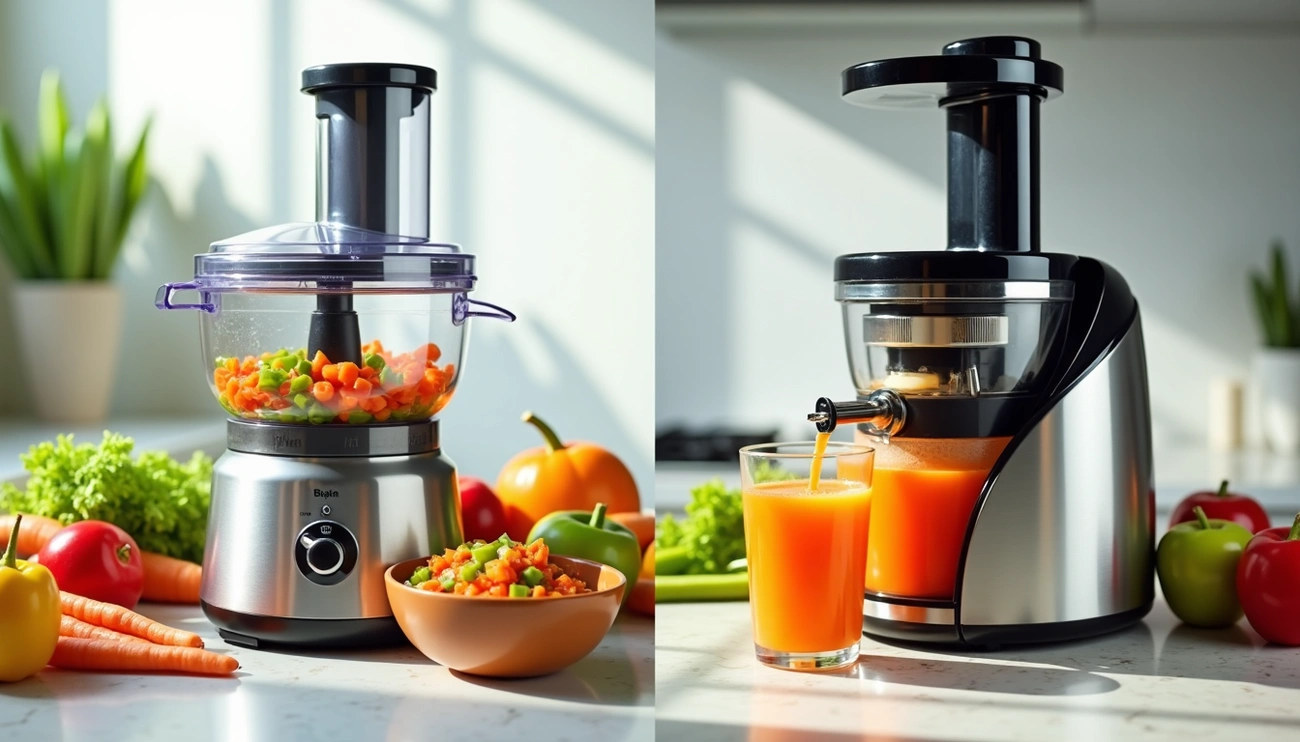
The main difference between food processor vs juicer is function and output. A food processor chops, slices, grates, and mixes solid foods for meal preparation. A juicer extracts liquid from fruits and vegetables and separates the pulp. Choose a food processor for cooking versatility and a juicer for dedicated juice extraction.
Key Differences Between Food Processor and Juicer
Understanding the fundamental differences between food processors and juicers helps determine which appliance best suits your needs. These kitchen tools serve distinct purposes despite their superficial similarities.
Purpose and design
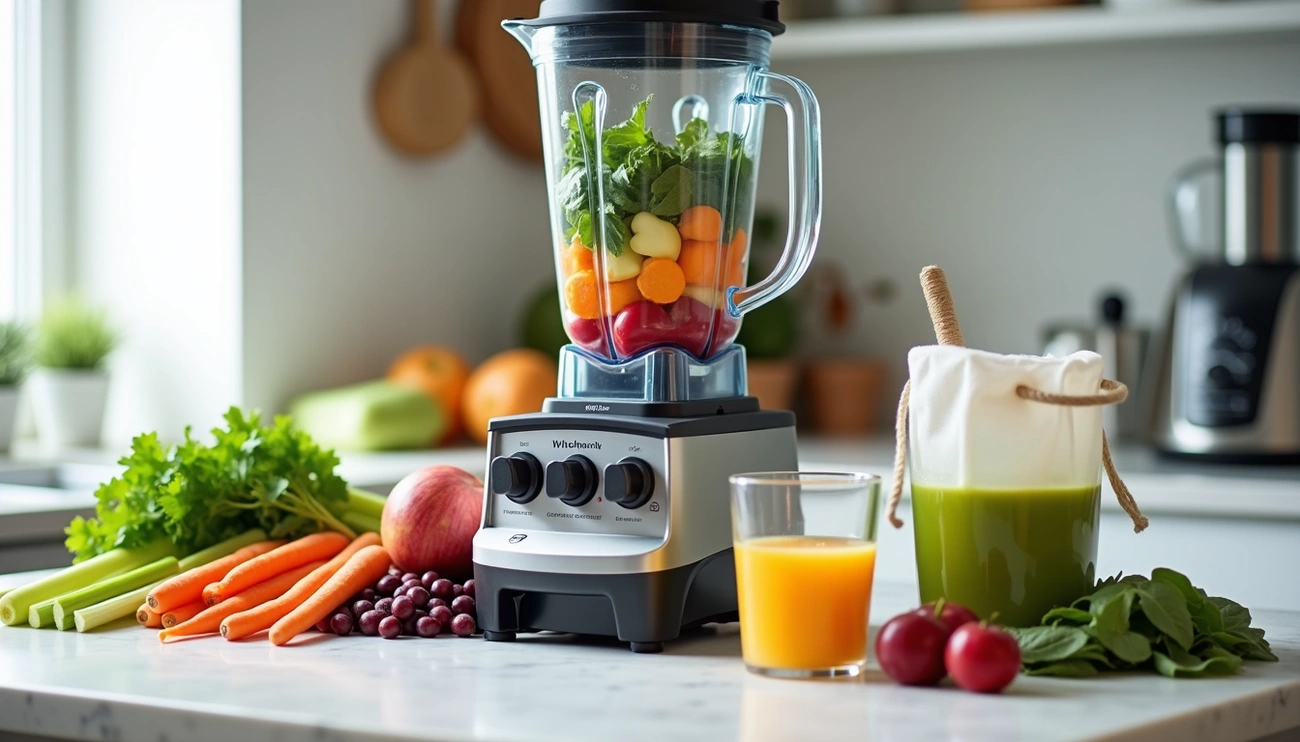
Food processors and juicers are designed with entirely different goals in mind. A food processor functions as a versatile kitchen assistant capable of chopping, slicing, shredding, grinding, mixing, and pureeing ingredients. It’s essentially a multi-purpose tool that supports nearly every step of cooking and baking, from vegetable preparation to dough making. Food processors come equipped with interchangeable blades and disks that transform them into chopping, shredding, and pureeing powerhouses.
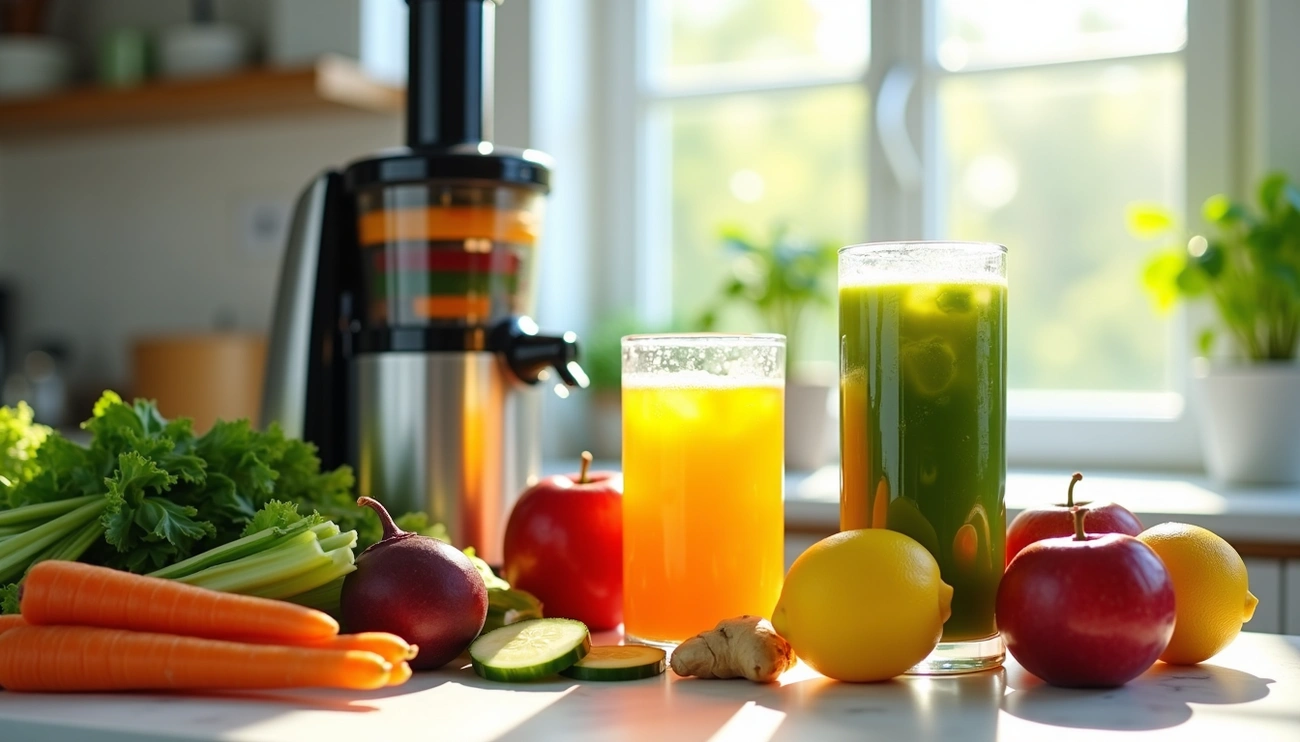
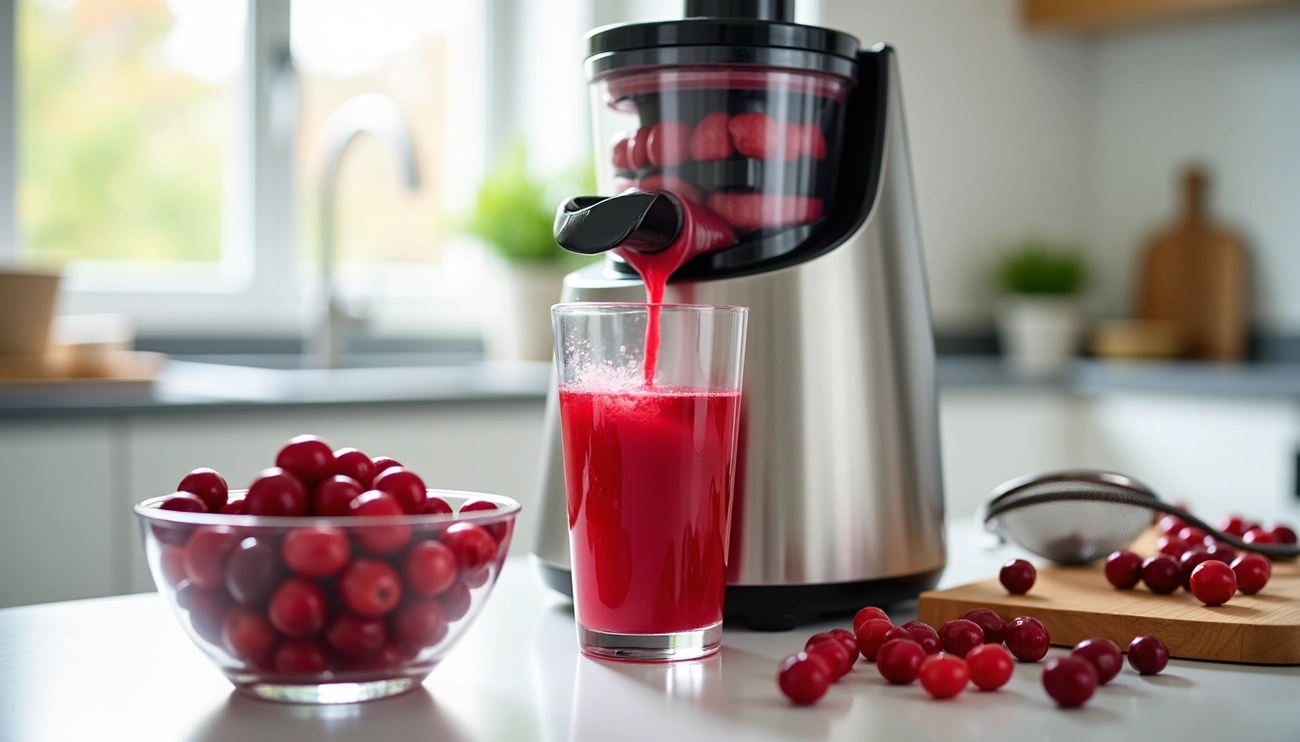
In contrast, juicers serve a singular purpose: extracting liquid from fruits and vegetables. They’re specifically engineered to separate juice from pulp, producing a smooth, fiber-free drink. Juicers come in two main types: centrifugal juicers that use high speed to separate juice, and masticating juicers that grind and press ingredients for a higher juice yield.
Processing method
The processing approaches of these appliances differ significantly. Food processors break down solid ingredients into various textures without separating components. They keep all parts of the ingredients in the final output, preserving the fiber and nutritional integrity of the food.
Juicers, on the other hand, employ a separation process. They extract the liquid essence of fruits and vegetables while automatically collecting the dry pulp in a separate compartment. This separation mechanism is what makes juicers unique—they isolate the nutrient-rich juice from the fibrous material.
End product: juice vs puree
Perhaps the most notable distinction lies in what each appliance produces. Food processors create thicker results such as chopped vegetables, nut pastes, sauces, dips, and dense smoothies. Since they don’t separate pulp, the fiber, skin, and all solids remain mixed in the final product. This preserves the natural fiber, helping slow digestion and support gut health.
Conversely, juicers deliver a smooth, clear liquid with minimal fiber. The juice flows into one container while the pulp collects separately. The resulting beverage contains concentrated nutrients that are quickly absorbed by the body but lacks most dietary fiber. This makes juicers ideal for those focused on juice cleanses or quick nutrient intake through drinks.
Pros and Cons of Each Appliance
After examining what each appliance does, let’s explore the practical benefits and limitations that might influence your purchasing decision. Choosing between these kitchen tools ultimately comes down to understanding their strengths and weaknesses.
Food processor: pros and cons
Food processors shine in versatility, handling multiple kitchen tasks with a single appliance. Their powerful engines and sharp blades excel at liquefying ingredients, sometimes performing better than blenders. Furthermore, they leave all nutrients intact rather than separating them, making them nutritionally advantageous.
Pros:
- Extremely versatile for chopping, slicing, shredding, grinding, and mixing
- Works excellently with solid ingredients
- Significantly speeds up meal preparation
- Generally easier to clean with fewer parts
- Preserves all fiber and nutrients from ingredients
Cons: Unfortunately, food processors cannot separate juice from pulp and don’t produce clear juices. They require peeling and chopping ingredients before processing, plus the resulting mixture is often thicker than juice, sometimes requiring added water to achieve a juice-like consistency.
Juicer: pros and cons
Juicers excel at creating smooth, pulp-free beverages rich in concentrated nutrients. They automatically separate juice from fiber, making them perfect for juice cleanses or quick nutrient absorption.
Pros:
- Produces pure, smooth juice without pulp
- Separates juice automatically in one easy step
- Ideal for quick nutrient absorption
- Perfect for juice cleanses and detox programs
- Makes vegetable consumption easier by masking flavors
Cons: Juicers lack versatility compared to food processors. Additionally, they create considerable waste from discarded pulp and can be challenging to clean, particularly around the filter basket where pulp quickly sets.
Food processor vs juicer difference in efficiency
Regarding efficiency, food processors generally win in versatility and cleanup time. Juicers, meanwhile, excel specifically at juice extraction but generate more waste. Food processors allow set-and-forget operation, whereas many juicers require feeding each piece individually with a plunger. Consequently, food processors typically handle larger volumes at once, making them more efficient for batch preparation.
What Foods Work Best in Each
Knowing which ingredients work best in each appliance can save you time and prevent damage to your kitchen tools. The food processor vs juicer difference becomes most apparent when considering which foods to use.
Watery fruits and soft vegetables
Food processors handle watery produce like cucumbers, tomatoes, celery, pears, apples, and watermelon with ease. These ingredients naturally contain enough moisture to process well without added liquid. Juicers excel with these same ingredients but for different purposes—extracting their juice entirely. Centrifugal juicers spin at high speeds to separate juice, while masticating juicers grind and press for higher yields.
Leafy greens and fibrous produce
The difference between food processor and juicer is notable when working with greens. Food processors can handle hardier greens like kale and a greater quantity of leafy vegetables. Juicers struggle with leafy greens alone—one cup of juice requires about one and a half bundles of spinach. For better results, combine greens with firmer, water-rich ingredients that push leaves through the juicer more effectively. Romaine lettuce yields almost twice as much juice as kale, spinach, or chard.
What not to use in each appliance
Never put these items in a juicer:
- Coconut, bananas, avocados, and figs (too dry or fibrous)
- Frozen fruit (unless fully thawed)
- Ice (will damage the blades)
Food processors aren’t suitable for:
- Fruits and vegetables with tough skins (unless peeled first)
- Liquids (they aren’t designed for smoothies or juices)
- Tough cuts of meat with lots of connective tissue
- Heavy doughs (unless your machine has a specific dough attachment)
Understanding can you use a food processor as a juicer comes down to recognizing these fundamental differences in how each appliance processes different types of foods.
Making the Right Choice for Your Kitchen
Deciding which appliance to add to your kitchen arsenal ultimately comes down to how you’ll use it in real life. Let’s examine the practical factors that should guide your choice.
Difference between juicer and food processor in daily use
The food processor vs juicer choice affects your daily kitchen routine. Food processors are typically easier to use and clean compared to juicers, especially masticating models that require more disassembly. Food processors can be set and forgotten while processing, whereas juicers often need you to feed each ingredient individually with a plunger. For cleanup, food processors have more parts but juicers may have trickier areas to reach.
Space, budget, and frequency of use
Consider both how often you’ll use the appliance and where you’ll store it. If counter space is limited, evaluate whether a bulky appliance justifies its footprint. For occasional use, a more compact option might suffice. When budgeting, remember that underpowered machines struggle with tough ingredients—aim for at least 1000 watts for crushing or pureeing, while 600 watts works for lighter tasks. Durability matters too—look for BPA-free Tritan plastic and stainless steel blades if you’ll use your appliance daily.
Is a combo appliance worth it?
The appeal of combination machines is understandable—they share the same motor base, potentially saving space and money. Nevertheless, combo appliances often involve compromises. A good multitasker should offer only the attachments you’ll actually use rather than unnecessary features. Though blenders and food processors utilize different blades, their motors function similarly, making combination units feasible. Just ensure any combo unit you choose delivers sufficient power for your specific needs.
Conclusion
Choosing between a food processor and juicer ultimately depends on your specific kitchen needs and health goals. Food processors shine through their versatility, handling everything from chopping vegetables to making dough while preserving all nutrients and fiber. Juicers, though limited to a single purpose, excel at creating smooth, pulp-free beverages that allow quick nutrient absorption.
The fundamental difference lies in how these appliances handle fiber. Food processors keep everything intact, while juicers separate juice from pulp. This distinction makes food processors better suited for those wanting complete nutrition and minimal waste. Conversely, juicers serve people focusing on juice cleanses or those who struggle to consume enough vegetables in their whole form.
Space and budget constraints should factor into your decision as well. Food processors typically offer more value through their multi-functionality, whereas juicers perform their specialized task exceptionally well but create considerable waste. You might find a food processor more practical for everyday cooking tasks, especially given its easier cleaning process and ability to handle larger batches.