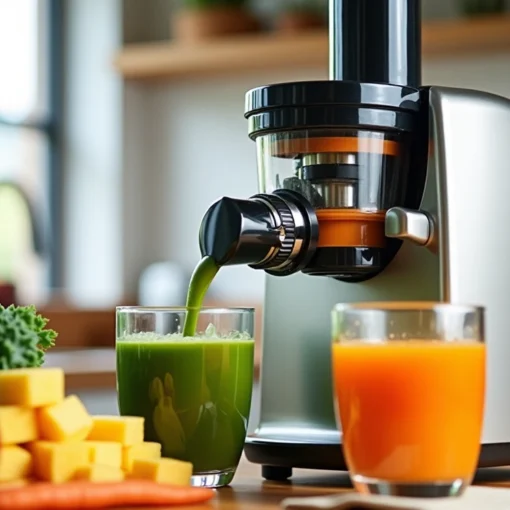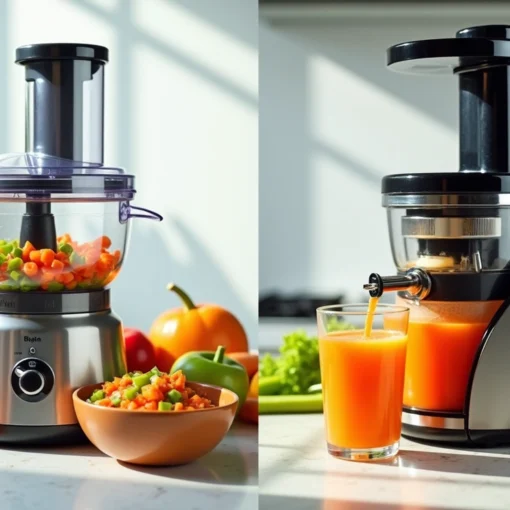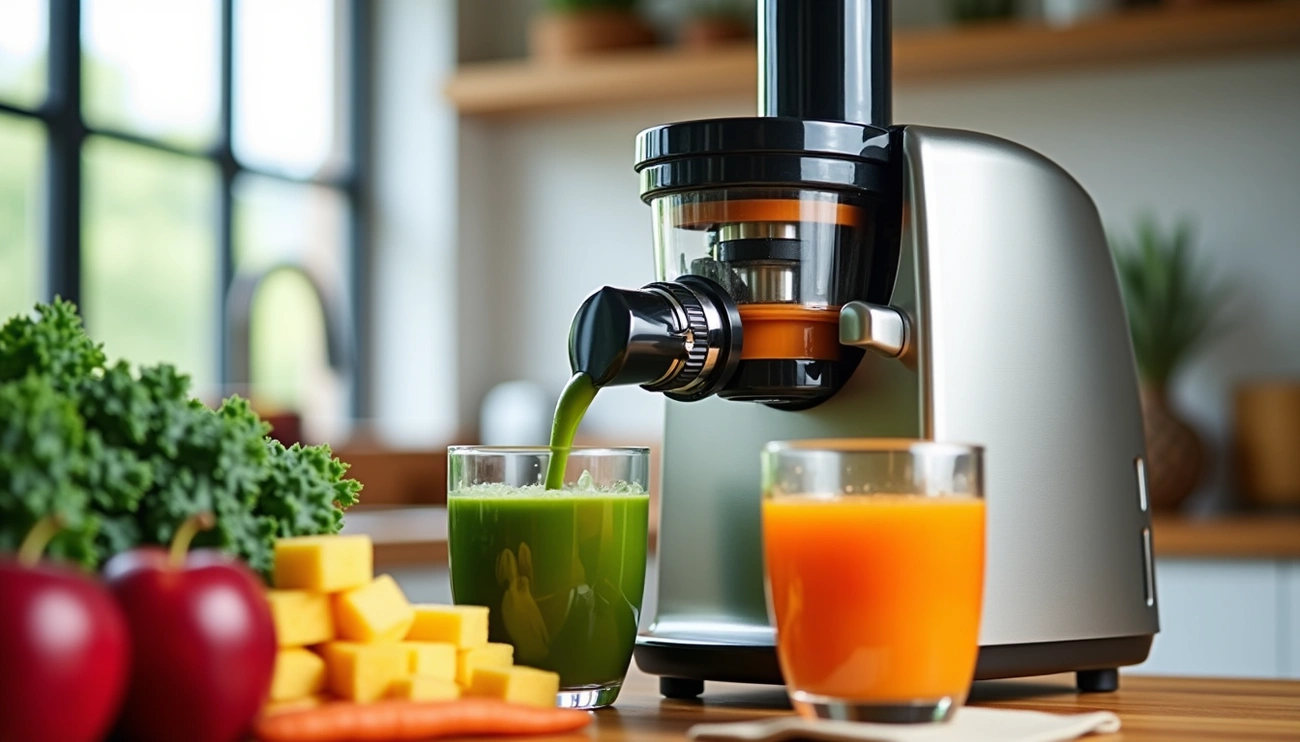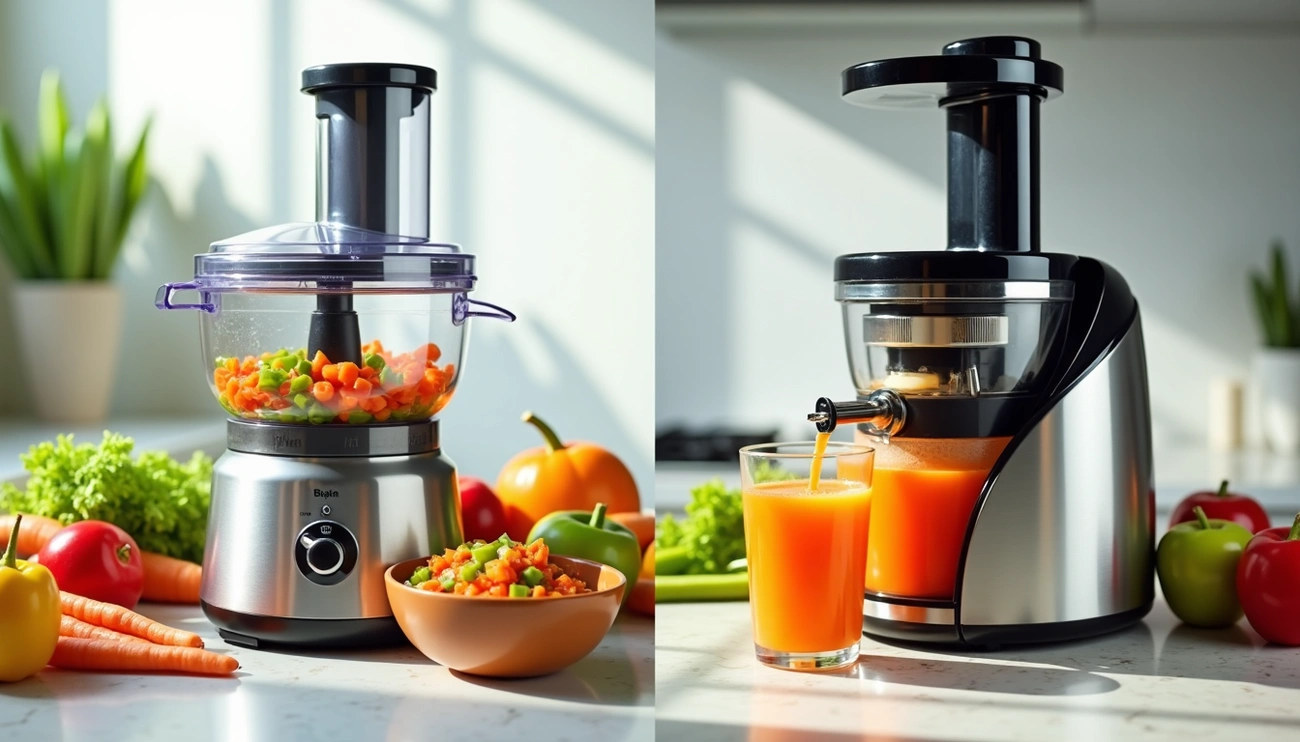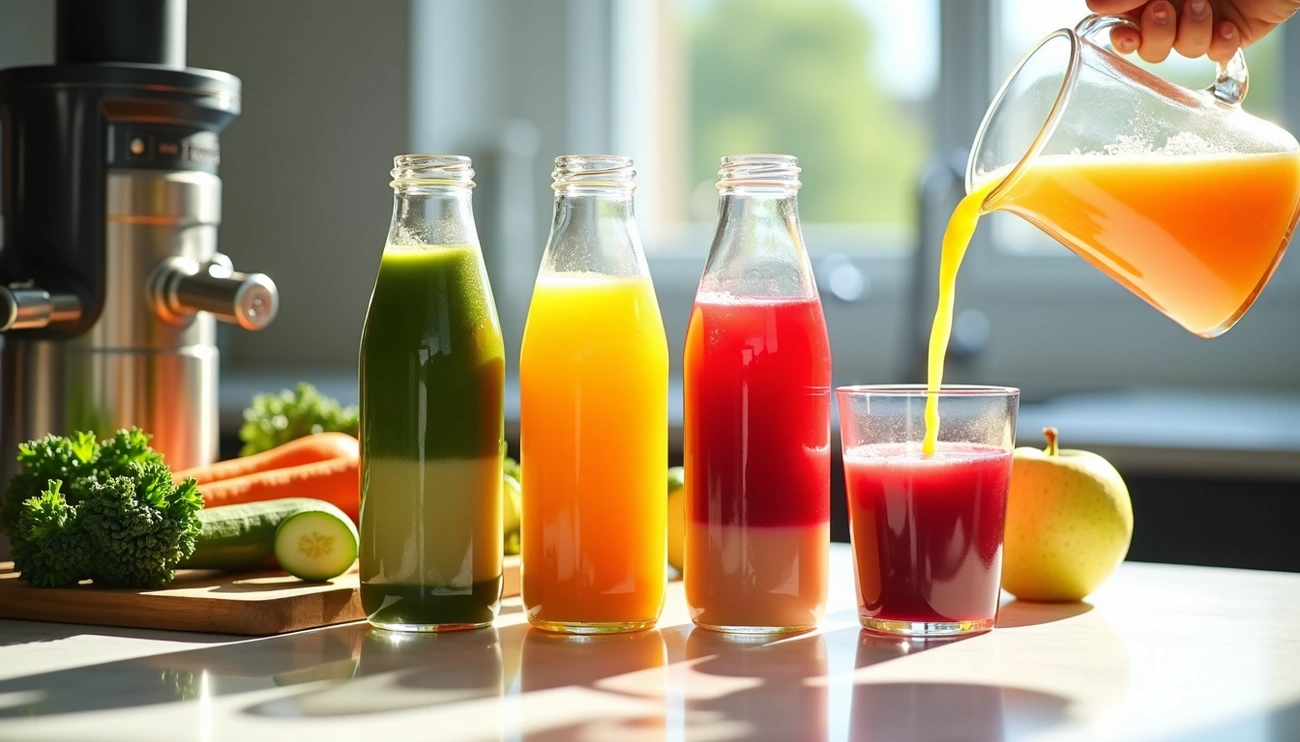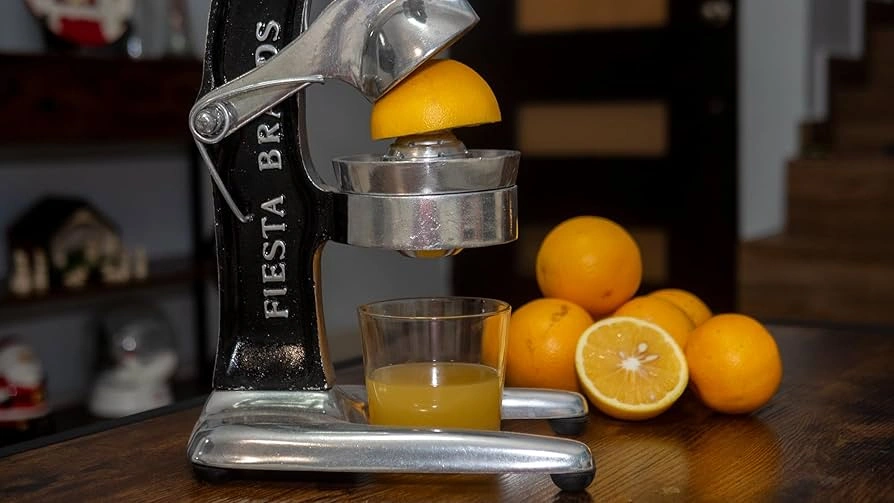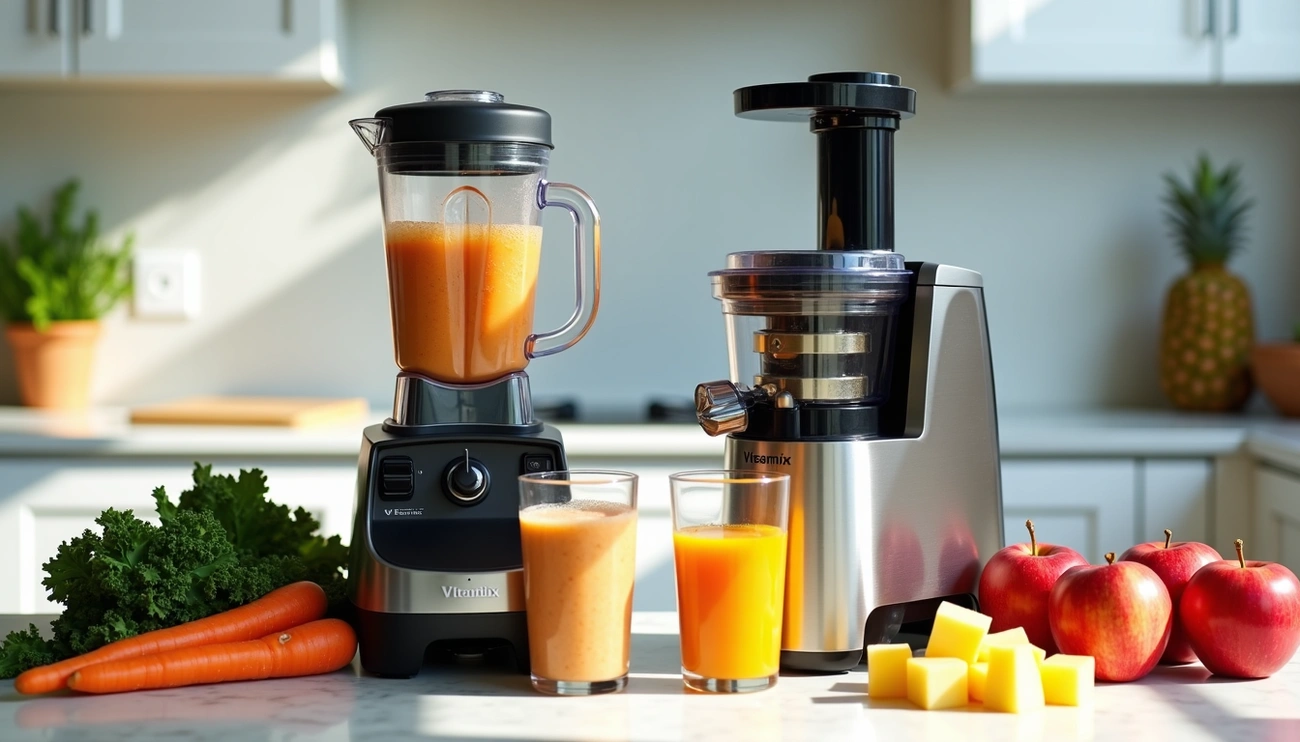
A Vitamix is a high-performance blender, not a traditional juicer. Vitamix blends whole fruits and vegetables with 240–480 milliliters of water to create a whole-food drink that contains pulp. A juicer separates pulp from juice, while a Vitamix retains fiber unless you strain it through cheesecloth or a nut milk bag.
Is Vitamix a juicer or blender?
Contrary to what many assume, a Vitamix is fundamentally a high-powered blender, not a juicer. This powerful kitchen appliance stands apart from conventional blenders thanks to its exceptional motor and blade design.
Understanding Vitamix’s core function
A Vitamix blender serves as a versatile kitchen tool designed to break down virtually any ingredient—from fibrous greens to frozen strawberries and almonds—into textures ranging from coarse to perfectly smooth. Unlike ordinary juicing machines that extract liquid while discarding nutrient-rich solids, a Vitamix pulverizes whole foods to create smooth, nutrient-dense beverages.
The core difference between a Vitamix and a juicer lies in how they process ingredients. As one expert explains, “If you use a blender, you pulverize the food. If you use a juicer, you separate the juice from the fiber”. With its powerful motor, a Vitamix can perform the same tasks as 13 household kitchen tools, making it an incredibly versatile addition to any kitchen.
Why people confuse it with a juicer
The confusion often stems from the Vitamix’s extraordinary ability to create juice-like consistency drinks. Additionally, Vitamix’s marketing sometimes refers to “whole-food juicing” which can blur the distinction between traditional juicing and high-powered blending.
People also mistake a Vitamix for a juicer because:
- It can create drinks with juice-like consistency, especially with water-rich produce like cucumbers or zucchini
- Vitamix officially promotes its ability to transform whole fruits and vegetables into “pure, smooth juices”
- The texture of a well-blended Vitamix drink can be incredibly smooth, “without ice chunks or chewy bits of fiber”
Furthermore, Vitamix refers to its own process as “whole-food juicing”, which contributes to the misunderstanding. Nevertheless, a crucial distinction remains: traditional juicers extract juice while removing fiber, whereas a Vitamix retains everything, breaking it down to a cellular level that makes nutrients readily digestible without causing rapid blood sugar spikes.
Although a Vitamix won’t produce pulp-free juice like dedicated juicers, many health enthusiasts actually prefer the Vitamix approach since it preserves the fiber along with all the nutrients—virtually eliminating waste in the process.
When should you use a Vitamix instead of a juicer?
Choosing between a Vitamix and a juicer depends largely on your health goals and lifestyle needs. Though both can create nutritious beverages, there are specific scenarios where a Vitamix offers distinct advantages.
For fiber-rich smoothies
The most compelling reason to choose a Vitamix over a juicer is the preservation of dietary fiber. Consequently, your body receives the complete nutritional profile of fruits and vegetables. The average American consumes only 14 grams of fiber daily, just over half the requirement for women and merely one-third for men.
Fiber plays a crucial role in regulating blood sugar levels and creating a feeling of fullness that lasts longer. In fact, without fiber, the blood sugar spike from juice might leave you hungry again within an hour or two. Moreover, fiber absorbs cholesterol in your digestive tract and eliminates it from your body, helping reduce risk factors for heart disease.
The Vitamix breaks down whole foods to a cellular level, making vitamins, minerals, enzymes, and phytonutrients readily digestible without causing rapid blood sugar spikes.
For quick and easy cleanup
If convenience matters to you, the Vitamix is definitely the better choice. Traditional juicers can have up to 10 detachable parts that require thorough cleaning, whereas a Vitamix practically cleans itself.
Simply add warm water and a drop of dish soap into the container, run the cleaning cycle, and you’re done. Besides saving time on cleanup, the one-step blending process is faster and requires less work overall.
For multi-purpose kitchen use
Perhaps the most significant advantage of choosing a Vitamix is its remarkable versatility. Unlike single-function juicers, a Vitamix can perform numerous culinary tasks:
- Create homemade flours from oats or nuts
- Prepare creamy soups and sauces
- Make nut butters and seed butters
- Blend perfect salad dressings and dips
- Mix smooth batters for baking
This multi-functionality makes the Vitamix a smart investment for any kitchen. Despite its higher upfront cost (USD 350-700 for high-end models), the Vitamix justifies its price through versatility and efficiency. Plus, since blending uses the whole fruit or vegetable, you’ll save money on produce in the long run by eliminating the waste that juicing creates.
When is a traditional juicer the better choice?
Traditional juicers have distinct advantages over Vitamix blenders in specific situations. Understanding these differences helps determine when a dedicated juicer might be the better investment.
For juice cleanses and detox
Firstly, traditional juicers excel when undertaking juice cleanses or detox programs. By separating juice from fiber, juicers produce a concentrated liquid that allows your digestive system to rest while delivering nutrients directly to your bloodstream. However, it’s worth noting that recent research from Northwestern University indicates juice-only diets, even for just three days, may cause changes in mouth and gut bacteria associated with inflammation.
For sensitive digestion
People with delicate digestive systems often benefit more from traditional juicers. Without fiber, the nutrients are absorbed rapidly into your bloodstream, providing a quick energy boost that’s particularly helpful for those with compromised digestion. This makes traditional juicers an excellent choice when digestible nutrition is the priority.
For maximum nutrient absorption
Notably, traditional juicers—particularly cold-press models—extract juice using an auger that crushes produce, often yielding more juice than centrifugal alternatives. Juicing purists maintain that removing fiber is precisely the point: you get vital nutrients without activating the digestive process. Masticating juicers specifically minimize heat and oxidation, helping maintain a more robust nutrient-dense profile.
Above all, the best juicer is ultimately “the one you’ll actually use,” as nutrition experts point out. Both methods have their place in a healthy lifestyle, depending on your specific health goals and digestive needs.
Making the most of your Vitamix for juicing
While a Vitamix isn’t technically a juicer, you can still create juice-like beverages with a few simple techniques. Understanding how to maximize your blender’s potential makes all the difference.
Best fruits and veggies to use
Soft, water-rich produce works best for Vitamix juicing. Celery creates a neutral base, while cucumber adds hydration. Green apples provide sweetness with less sugar, and kale delivers exceptional nutritional value as “one of the most nutrient-dense foods on the planet”. For flavor enhancement, try adding ginger and lemon, both excellent for digestion.
How to reduce pulp without a juicer
Layering ingredients strategically yields better results. Start with watery fruits like cucumber or citrus to create a liquid base. Next, add firmer vegetables like celery or fennel, finally topping with leafy greens. For smoother results, chop ingredients smaller and avoid overfilling your blender.
Using a nut milk bag or cheesecloth
After blending, strain through a nut milk bag, cheesecloth, or fine-mesh strainer. Nut milk bags are most efficient—simply pour blended mixture through the bag, then gently squeeze to extract juice. This method yields “incredibly smooth” juice compared to traditional juicers.
Does Vitamix make a juicer attachment?
Currently, Vitamix doesn’t offer a specific juicing attachment. Instead, they recommend their whole-food juicing method with manual straining.
Conclusion
Both juicers and Vitamix blenders serve different purposes, though many people confuse them due to their ability to create fruit and vegetable drinks. Vitamix stands out as a versatile kitchen powerhouse that retains all the nutritional benefits of whole foods, including essential fiber. Traditional juicers, alternatively, extract juice while removing fiber, which works better for cleansing programs and sensitive digestive systems.
Your health goals ultimately determine which appliance deserves a spot on your counter. Fiber preservation makes Vitamix ideal for those seeking sustained energy without blood sugar spikes. Meanwhile, a traditional juicer might suit you better if maximum nutrient absorption without fiber is your priority.
We cannot overlook the impressive versatility of a Vitamix beyond making smoothies. This single machine replaces numerous kitchen tools, handling everything from nut butters to soups and batters. Additionally, the simplified cleanup process makes daily use practical and sustainable.