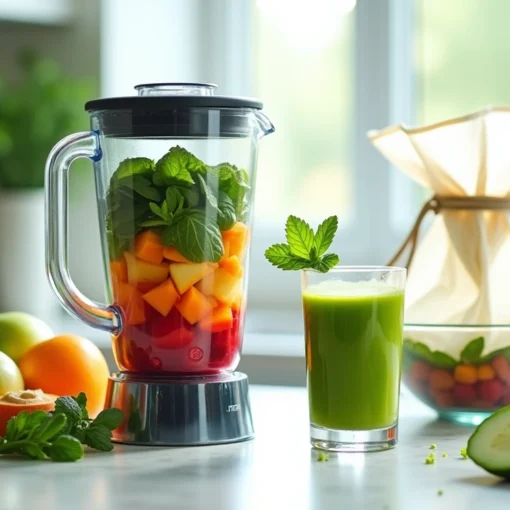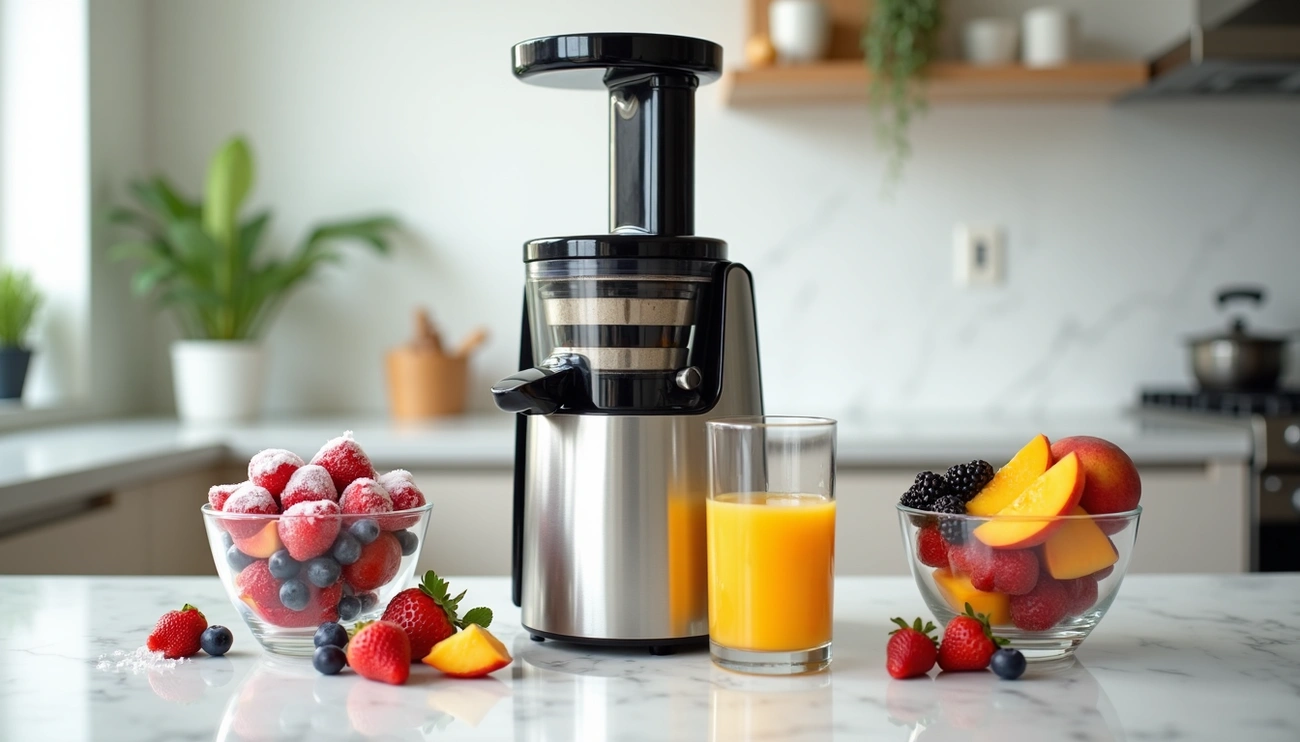
Yes, you can put frozen fruit in a juicer, but thaw it for 30–60 minutes first to prevent motor strain and thick puree buildup. Most centrifugal juicers require thawed fruit. Some masticating juicers can process frozen fruit, often producing a sorbet-like texture instead of clear juice.
Can You Put Frozen Fruit in a Juicer?
The short answer is no, you should not put frozen fruit directly into a juicer. Unlike blenders designed for smoothies and slushies, most juicers aren’t built to handle rock-hard frozen produce.
Why thawing is essential before juicing
Thawing frozen fruits before juicing is crucial primarily because frozen ingredients are too solid for most juicers to process effectively. Attempting to juice them straight from the freezer can strain or damage the juicer mechanisms and create icy pulp blockages that prevent proper extraction. Moreover, juicers operate either by using high-speed spinning blades or by applying immense pressure (in cold press models) to separate juice from pulp – both processes that require softer materials to work properly.
Furthermore, the cell structure of fruit changes during freezing. The study of blueberries shows that freeze-thaw treatment facilitates the rupture of fruit cell walls, changing texture during the thawing process. This science actually works in your favor—but only after proper thawing.
What happens if you juice frozen fruit directly
Putting frozen fruit directly into your juicer can lead to several negative outcomes:
- Machine damage – The hard, frozen pieces can damage or dull blades, strain motors, and potentially break internal components.
- Poor juice yield – Frozen fruits won’t release their liquid properly when solid, resulting in minimal extraction.
- Clogging issues – The icy pulp can create blockages in the juicer’s mechanisms.
Unless your specific juicer model has settings or accessories designed for making ice cream or sorbet, frozen fruit should never go directly into the machine.
Can you use frozen fruit in a juicer safely?
Yes! Frozen fruits can absolutely be used in juicers—as long as they’re completely thawed first. Once thawed, these fruits can be juiced normally in both centrifugal and slow juicers.
Interestingly, thawed frozen fruit may even provide advantages. Given that the ice crystals formed during freezing rupture cell walls, thawed fruits often release more juice than fresh ones. This cell breakdown makes extraction easier once the fruit has returned to a soft state.
The National Center for Home Food Preservation recommends thawing packaged frozen fruit in the refrigerator, under running water, or in a microwave before use. For best results, transfer your frozen produce to the refrigerator overnight or use sealed bags in cold water for quicker thawing.
How to Prepare Frozen Fruit for Juicing
Properly preparing frozen fruit for your juicer isn’t just about preventing damage—it’s about maximizing juice yield too. Since the freezing process actually breaks down cell walls, thawed fruits often release more juice than their fresh counterparts.
Step-by-step thawing methods
There are three reliable methods to safely thaw your frozen fruit:
Refrigerator method: Place frozen fruit in a container to catch juices and thaw in the refrigerator for 6-8 hours for a 1-pound package. This slow thawing maintains better flavor and texture.
Cold water method: For faster results, submerge a sealed bag of frozen fruit in cold water. Change the water every 30 minutes until completely thawed. This typically takes 30-60 minutes for most fruits. Avoid using hot or warm water as it causes berries to release their juices prematurely.
Microwave method: For immediate use, defrost small batches (no more than 1 cup) on your microwave’s defrost setting. Strawberries need about 60 seconds, mangoes and raspberries around 30 seconds, and blueberries just 15 seconds. Check and add 10-second intervals as needed.
Cutting and prepping thawed fruit
Once thawed, cut your fruit into smaller chunks to help your juicer process it more efficiently. Remember that thawed frozen fruits will be softer than fresh ones—this is completely normal.
Don’t discard the juice that accumulates during thawing—it contains valuable nutrients and flavor. Add this liquid to your juicer along with the fruit for maximum yield.
Ideally, serve partially thawed fruit with a few ice crystals still remaining for better texture. Additionally, only thaw the amount you need for immediate juicing.
Tips for avoiding juicer damage
Always use the coarse strainer attachment when juicing thawed frozen fruits. This reduces strain on the machine and prevents clogging.
Never use hot water or microwave on high power to speed up thawing, as these methods heat juice unevenly and promote bacterial growth.
Thoroughly check that fruits are completely soft before juicing. Even partially frozen pieces can damage juicer blades and motors.
Finally, consume your juice within 24 hours of thawing for optimal taste and nutritional value.
Best and Worst Fruits to Juice from Frozen
Not all frozen fruits are created equal when it comes to juicing success. Some retain their nutritional value and flavor admirably, whereas others turn mushy and unappetizing once thawed.
Top frozen fruits for juicing
Berries reign supreme as the best frozen fruits for juicing. Strawberries, blueberries, raspberries, and blackberries maintain their nutritional profile and juice exceptionally well after thawing. Cherries, already pitted when frozen, offer convenience alongside excellent juice yield. Stone fruits like peaches and plums also perform admirably, especially when properly flash-frozen. Notably, mangoes and pineapples retain much of their tropical flavor post-freezing, making them ideal candidates for vibrant juices. Consequently, these fruits are picked at peak ripeness before freezing, when nutrient levels are highest.
Fruits that lose texture or flavor when frozen
On the contrary, high-water-content produce performs poorly after freezing. Watermelons and cucumbers become disappointingly mushy once thawed, losing their crisp texture entirely. Celery and lettuce similarly turn limp after freezing. Although citrus fruits can be frozen, they often become difficult to peel once thawed. Throughout the freezing process, their cell structures change significantly, affecting both texture and juicing performance. For optimal results with these fruits, consider juicing them fresh instead.
How to freeze fruit properly for juicing
To preserve fruit for future juicing, begin by selecting top-quality produce at peak ripeness. First, thoroughly wash and prepare the fruit, removing pits, stems, and inedible parts. Then place fruits in a single layer on a lined baking sheet and pre-freeze for 1-2 hours before transferring to freezer bags. This prevents clumping and allows you to take just what you need later. Above all, properly label containers with the date and contents. Primarily, most frozen fruits maintain high quality for 8-12 months when stored at 0°F or below.
Frozen Fruit Juice Recipes to Try
Once your frozen fruits are properly thawed, it’s time to transform them into delicious drinks and desserts. Here are five kitchen-tested recipes that make excellent use of thawed frozen fruits.
Berry Blast Smoothie
This vibrant smoothie combines frozen mixed berries (raspberries, blueberries, blackberries), frozen strawberries, yogurt, orange juice, vanilla extract, and a touch of maple syrup. For best results, thaw the berries for 10 minutes before blending. Simply combine all ingredients in your blender and process until smooth, adjusting the amount of juice for desired thickness.
Tropical Breeze Smoothie
For a taste of paradise, blend thawed frozen mango chunks, frozen pineapple chunks, coconut milk, regular milk, and honey. Alternatively, try a version with orange juice, yogurt, pineapple, banana, lime juice, ginger, and honey for a refreshing twist. This recipe works perfectly with thawed frozen tropical fruits.
Peach Paradise Sorbet
This easy sorbet lets peaches shine whether fresh or frozen. Combine diced peaches (skins on for extra tartness), lime juice, sugar, and a pinch of salt in a food processor. Strain through a fine-mesh sieve, chill thoroughly, then churn in an ice cream maker until thick. For frozen peaches, add extra lime juice to brighten the flavor.
Cherry Delight Sorbet
This three-ingredient sorbet combines pitted cherries, sugar, and fresh lime juice. The small amount of alcohol (like Amaretto) helps prevent ice crystals from forming, resulting in a creamier texture. Process everything in a blender until smooth, then freeze until firm.
Antioxidant Boost Juice
Combine thawed mixed berries with apple, courgette, red pepper, and lemon for a nutritional powerhouse. Blend with avocado for a creamy, smoothie-like texture. This vibrant juice delivers a healthy kick-start packed with essential vitamins and minerals.
Conclusion
Frozen fruit offers a practical solution for enjoying nutritious juices year-round while reducing food waste. Though directly adding frozen fruits to your juicer remains inadvisable, thawed frozen produce actually yields excellent results. The freezing process naturally breaks down cell walls, consequently allowing fruits to release more juice once properly thawed.
Remember those three reliable thawing methods—refrigerator, cold water bath, or careful microwave defrosting—to ensure your juicer stays in perfect working condition. Berries, cherries, and tropical fruits generally perform best after freezing, while high-water content produce like watermelon and cucumber should be juiced fresh instead.
We’ve discovered that freezing doesn’t diminish nutritional content, so your thawed fruit juices remain packed with vitamins and minerals. Additionally, freezing lets us capture fruits at peak ripeness, often resulting in sweeter, more flavorful juice than out-of-season fresh alternatives.