You can put lemons in a juicer because juicers are designed to extract juice from fruits. Use a manual citrus press, electric reamer, centrifugal juicer, or cold-press machine to separate juice from pulp. Cut lemons in halves or quarters and remove seeds before juicing to prevent damage and improve yield.
Can you put lemons in a juicer?
The answer is a resounding yes, you can absolutely put lemons in a juicer! However, the type of juicer you use significantly impacts your results and experience.
What chefs say about using lemons in juicers
Professional chefs overwhelmingly endorse electric juicers as the most efficient method. According to culinary experts, electric juicers guarantee maximum yield with minimal seeds and pulp. Many chefs appreciate the ability to control the amount of pulp in the finished product, making it perfect for recipes that require specific textures.
Nevertheless, not all chefs agree on which juicing method reigns supreme. During comparative testing, handheld juice squeezers outperformed electric versions in both convenience and efficiency. In one test, a handheld squeezer produced over 1/2 cup plus 1 tablespoon of juice compared to just 1/3 cup from an electric juicer. Additionally, the handheld method required less than a minute to complete—the same time as the electric alternative but without the setup and cleaning hassle.
Why this question matters more than you think
Beyond simple curiosity, understanding how to effectively juice lemons affects everything from your kitchen workflow to the quality of your recipes. First off, proper juicing techniques can dramatically increase yield—getting more juice from fewer lemons saves both money and resources.
Moreover, different juicing methods extract different flavor profiles from lemons. Seeds and excess pulp can introduce bitterness, while the oils from the peel add complexity. Depending on your culinary needs, these subtle differences become crucial.
For home cooks preparing large batches of lemonade or multiple recipes requiring citrus juice, finding the most efficient method becomes particularly important. As one citrus expert noted, “If you’re looking for getting as much juice as possible out of your lemons, this [using a proper juicer] is the way to go”.
Furthermore, different juicers serve different purposes—while electric versions might seem like the obvious choice for efficiency, they often require more cleanup time. Conversely, although handheld squeezers might seem basic, they frequently outperform their more complex counterparts in both juice yield and convenience.
Testing different ways to juice lemons
I decided to test five popular lemon juicing methods to see which one truly delivers the best results. Let’s squeeze out the facts!
Electric juicer: fast but messy?
Initially, I had high expectations for electric juicers specifically designed for citrus. These devices feature a motorized reamer that spins against the cut fruit. Yet despite their impressive appearance, they underperformed in testing, yielding only 1/3 cup of juice—the same amount as hand-squeezing. First, the setup and cleanup proved cumbersome, requiring multiple parts to be washed afterward. Consequently, this method received a disappointing 1/5 rating despite taking less than a minute to operate.
Handheld squeezer: the crowd favorite
The handheld juice squeezer emerged as the clear champion. Using the Chef’n Citrus Juicer, this method produced an impressive 1/2 cup plus 1 tablespoon of juice in under a minute. What makes this method superior is its seed-catching capability and the ability to squeeze directly over your cooking vessel. Hence, it earned a perfect 5/5 rating among testers. The device’s clever design means less wrist fatigue compared to other manual methods.
Manual reamer: simple but tiring
Despite its charming simplicity, the manual reamer proved surprisingly inefficient. This retro tool yielded just 1/3 cup of juice plus introduced numerous seeds into the final product. Once the lemon half becomes slippery, controlling it becomes challenging. This method earned only 2/5 stars.
Microwave then squeeze: does it help?
Interestingly, microwaving lemons for 20 seconds before juicing them genuinely works! The theory is sound—warming refrigerated lemons softens their membranes, allowing juice to flow more freely. Testing confirmed this method produces 1/2 cup of juice and earned a solid 3/5 rating.
Stand mixer hack: worth the cleanup?
Indeed, this unconventional method involves quartering lemons and mixing them with a paddle attachment for about two minutes before straining. The results speak for themselves—1/2 cup plus 1 tablespoon of juice, matching the handheld squeezer. Best for multiple lemons rather than just one, this method earned an impressive 4/5 rating.
Can you put whole lemons in a juicer?
Whole lemons—peel, pith, seeds and all—present a different juicing challenge than simply extracting juice from halved citrus. Yet many nutrition experts actually recommend this approach for maximum health benefits.
What happens when you juice lemons with peel
Juicing entire lemons yields remarkably different results than traditional methods. Nutritionist Lisa Richards explains that “putting a whole lemon in a juicer is often considered the best way to consume it if you plan to eat the entire fruit”. The peel itself contains a treasure trove of nutrients, primarily vitamin C (providing 9% of your daily value in just one tablespoon) along with fiber and potent antioxidants. Simultaneously, whole lemon juice offers a more complex flavor profile, since the peel contains D-limonene—the compound responsible for lemon’s characteristic aroma.
Cold press juicers vs centrifugal juicers
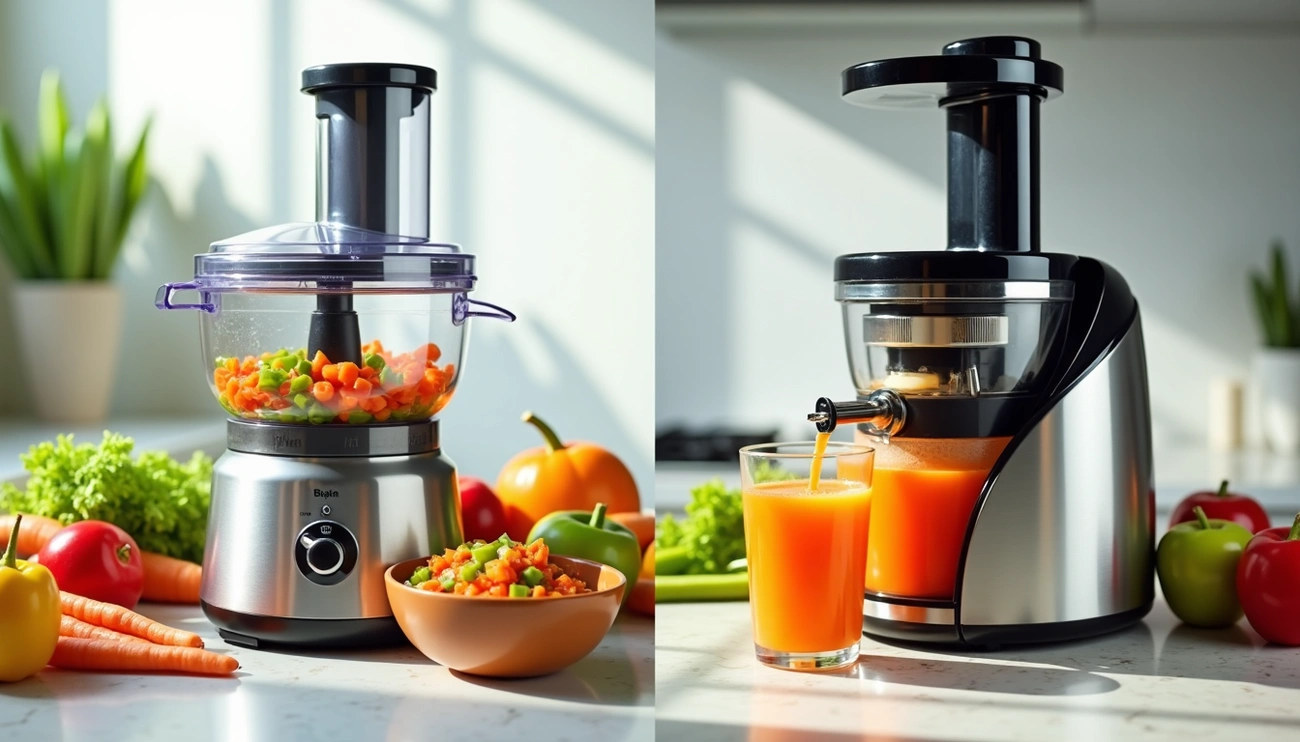
Not all juicers handle whole lemons equally well. Cold press juicers extract juice through slow crushing and pressing, yielding approximately 70-85% of available juice. In contrast, centrifugal juicers use high-speed spinning blades that generate heat, which correspondingly reduces nutritional content.
Even more importantly, cold press technology preserves the delicate compounds in citrus. As one juice expert noted, centrifugal juicers create noticeable separation in the juice due to heat and oxidation. Cold press machines, meanwhile, maintain juice integrity much longer—essential for preserving those beneficial compounds from the peel.
Expert tips on juicing whole citrus fruits
For optimal results when juicing whole lemons, nutritional experts suggest removing the very ends first since these parts can impart excessive bitterness. Along with this, consider alternating lemon pieces with other ingredients if using a cold press juicer to improve extraction efficiency. Just bear in mind that peel oils will significantly intensify flavor, so you might need less lemon than in traditional recipes.
Best practices for juicing lemons at home
Looking for the perfect lemon juice? Master these techniques for maximum yield with minimal effort.
How to use a juicer for lemons
First, let your lemons reach room temperature—warm citrus yields significantly more liquid than cold fruit. Next, gently roll each lemon on your counter while applying pressure, which breaks internal membranes for easier extraction. Cut the fruit crosswise (not lengthwise) as this exposes more juice-bearing cells. Typically, a manual juice press outperforms reamer-style juicers by 30%.
How to juice a lemon with an electric juicer
- Slice your lemon in half crosswise
- Place the cut side facing down in the juicer
- Press down firmly, allowing juice to flow through slots
- Stop once segments are emptied to avoid bitterness
Above all, avoid over-pressing as this extracts bitter oils from the rind.
Can you put lemons and limes in a juicer together?
Absolutely! In fact, these citrus cousins work wonderfully together in both manual as well as electric juicers. Just be sure to follow the same preparation steps for both fruits.
How to avoid seeds and bitterness
To prevent seeds, try this chef-approved method: cut your lemon in half, hold it cut-side facing your palm, then squeeze—juice drips down the sides yet seeds remain inside. Alternatively, core the lemon as you would an apple. To minimize bitterness, juice gently plus strain lightly afterward.
Conclusion
After exploring the world of lemon juicing, we’ve discovered that yes, you can certainly put lemons in a juicer—though not all juicers are created equal. Handheld squeezers surprisingly outperformed their electric counterparts in my tests, delivering more juice with less hassle. This knowledge matters beyond simple curiosity, as the right technique can significantly impact your culinary results.
Whole lemons offer additional nutritional benefits when juiced properly. Cold press juicers preserve more nutrients compared to centrifugal models, making them ideal for health-conscious juice enthusiasts. Room temperature lemons, properly rolled before cutting, will yield considerably more juice than cold ones straight from the refrigerator.
My experiments confirmed that simple preparation steps make all the difference. Cutting lemons crosswise rather than lengthwise exposes more juice-bearing cells. Similarly, microwaving lemons for 20 seconds genuinely helps extract more juice—a technique worth remembering when preparing recipes that call for significant amounts of citrus.