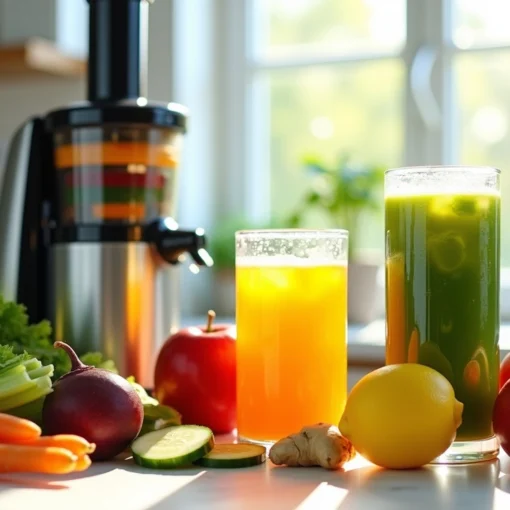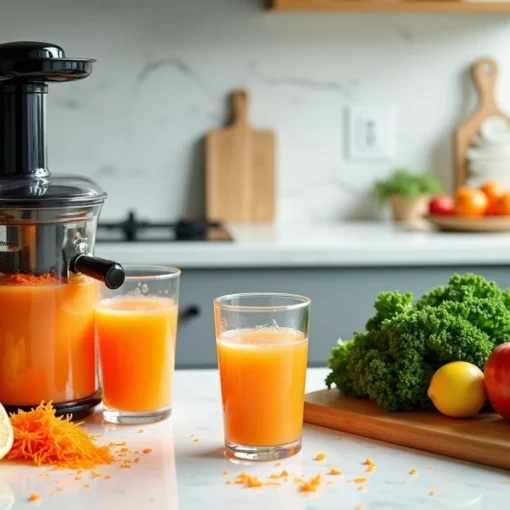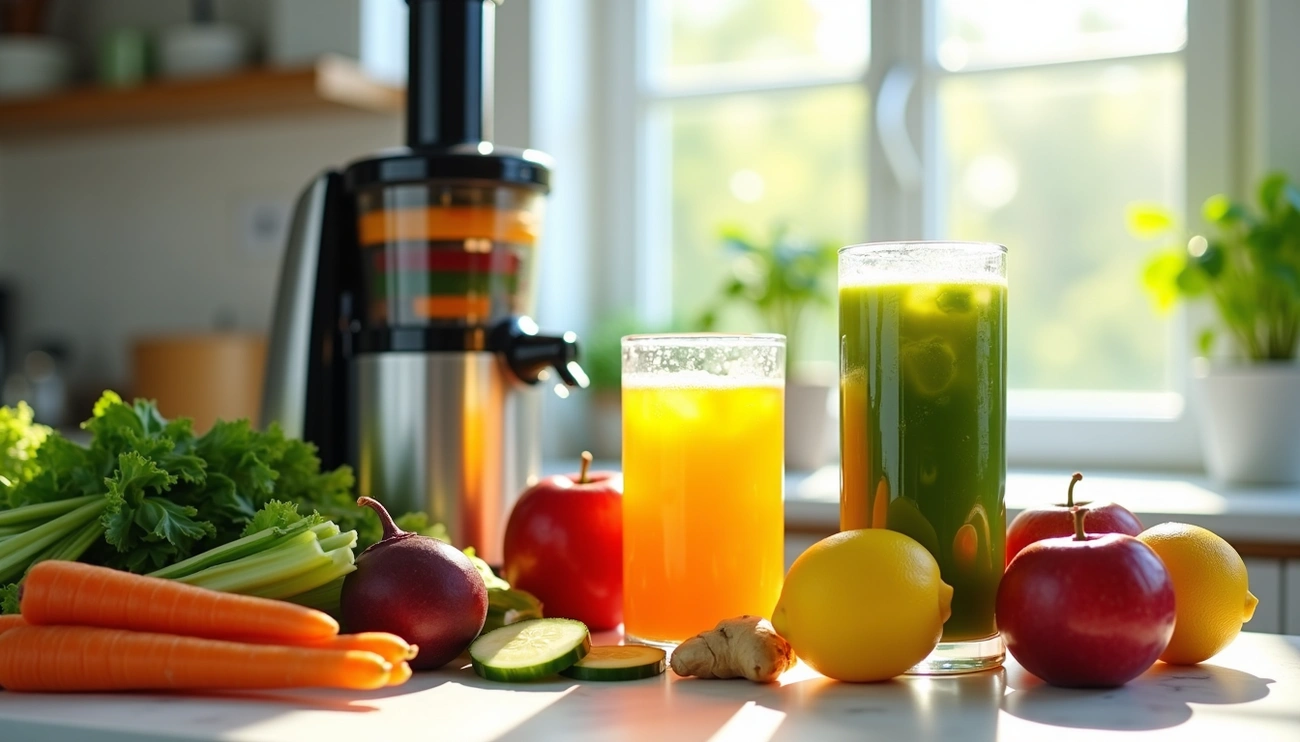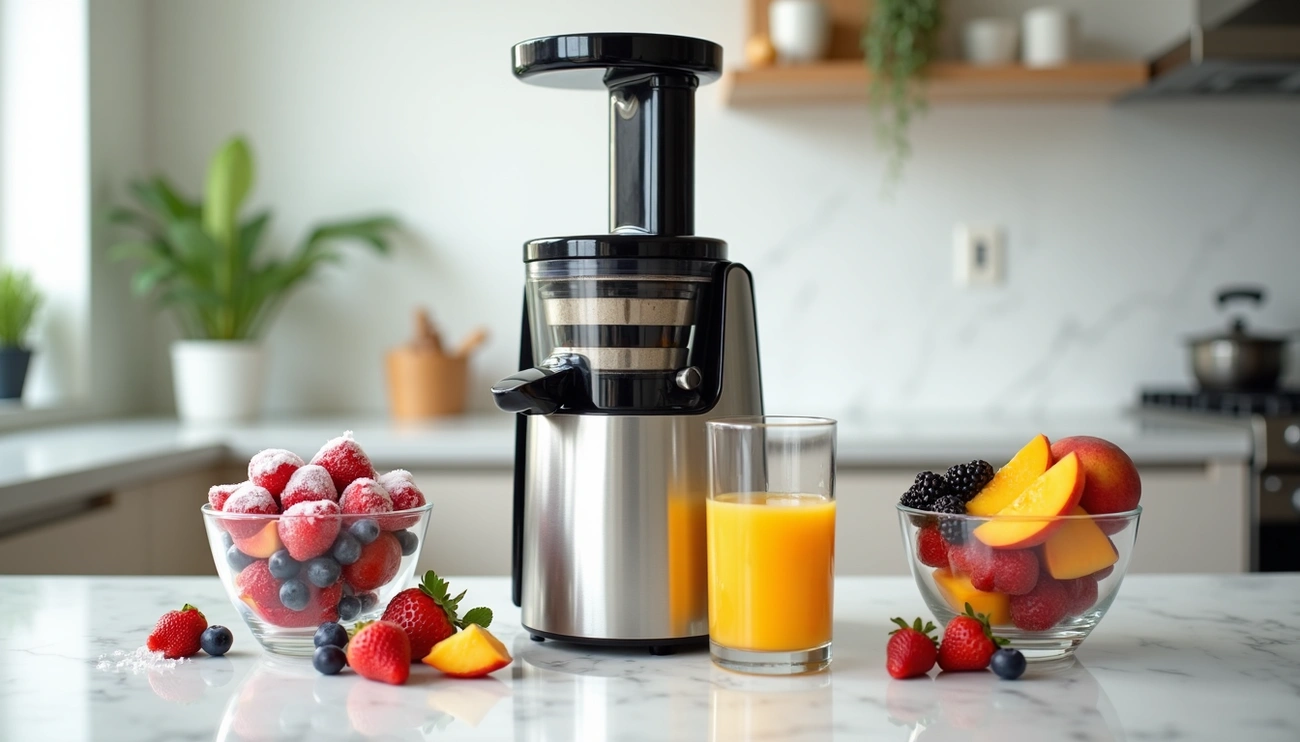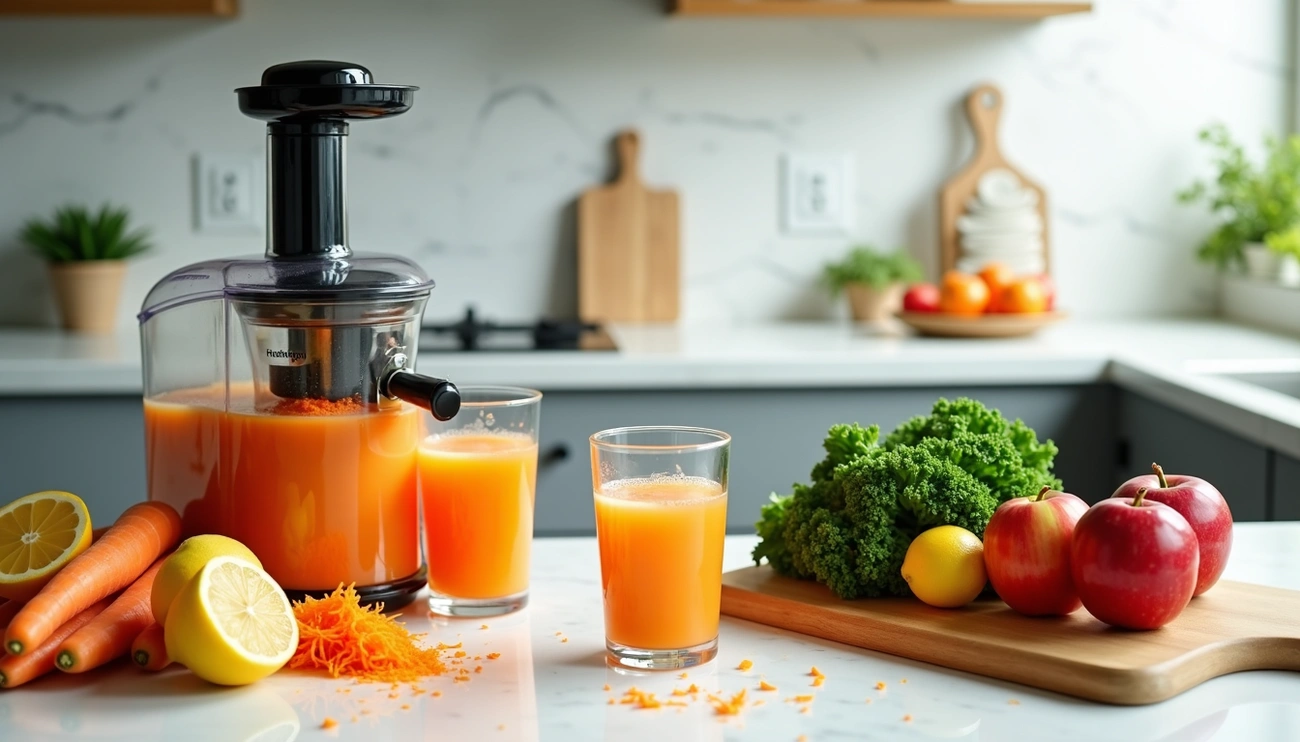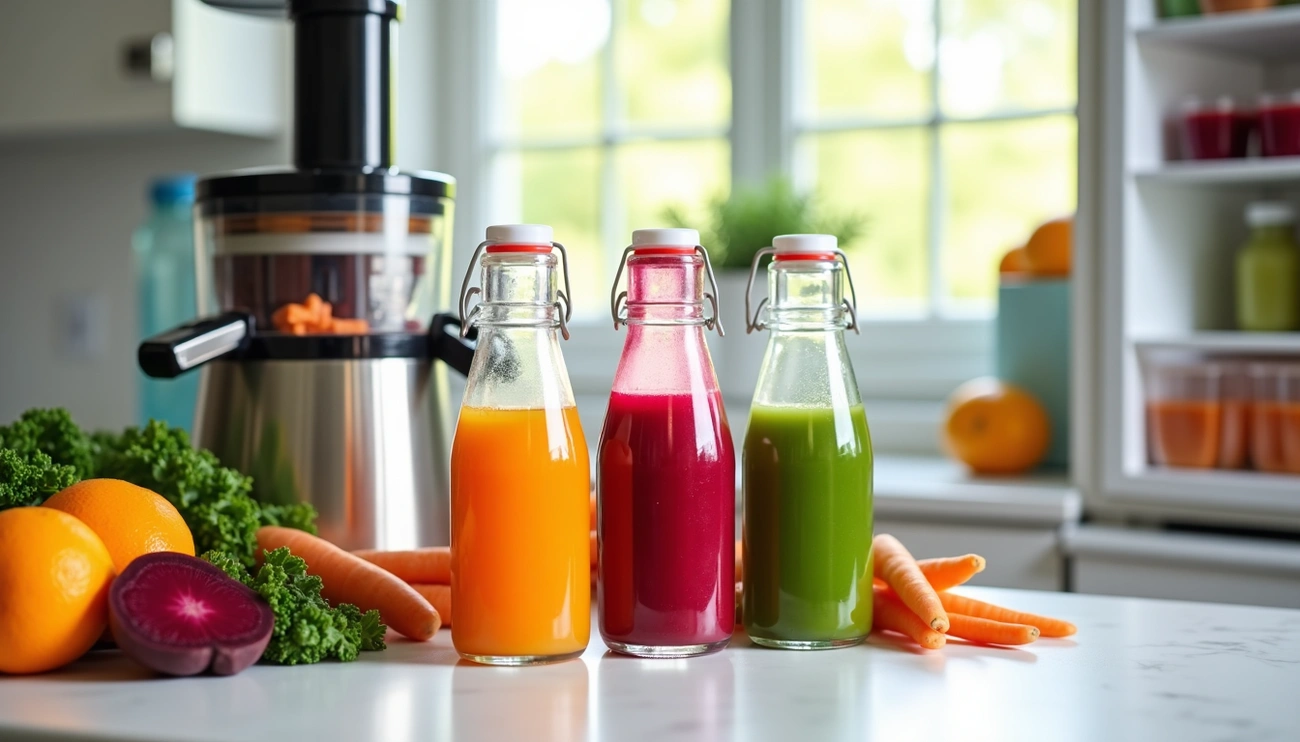
Juice from a juicer is good for 24 to 48 hours when stored in a refrigerator at 35–40°F (1.6–4.4°C). Consume vegetable juice within 24 hours for best quality. Drink fresh juice within 72 hours (3 days) maximum, as nutrients and flavor degrade. Cold-pressed juice lasts 3 to 5 days under proper refrigeration.
Use the Right Juicer for Longer Shelf Life
The type of juicer you use plays a crucial role in determining how long your fresh juice remains drinkable. Let’s explore the two main options and their impact on shelf life.
Cold-press vs centrifugal juicers
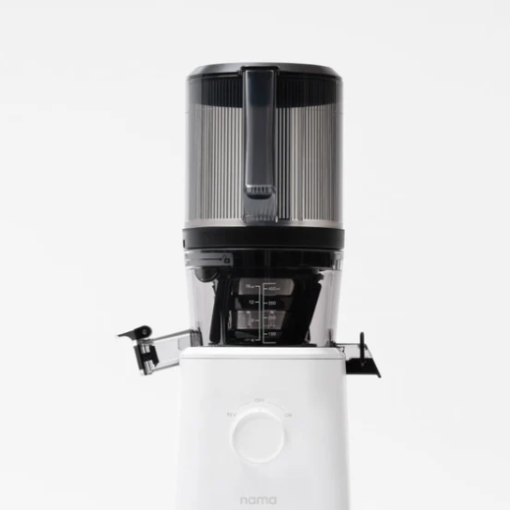
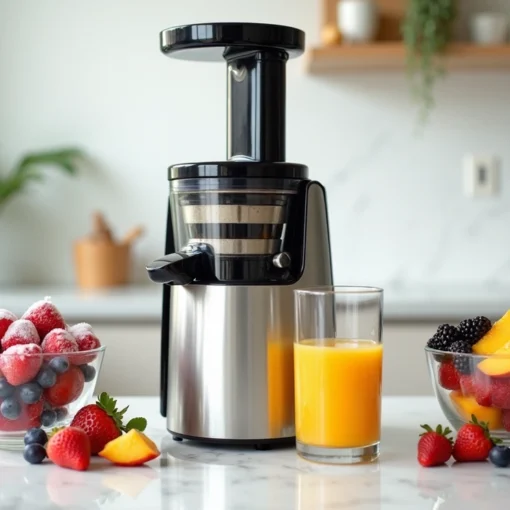
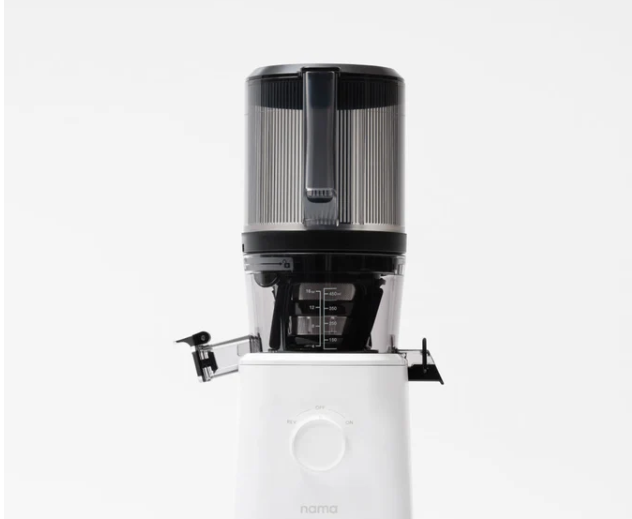
Cold-press juicers (also called slow or masticating juicers) operate at low speeds, gently crushing produce before pressing out the juice. Conversely, centrifugal juicers use fast-spinning blades—often exceeding 10,000 revolutions per minute—to chop produce and extract juice through a mesh sieve.
This fundamental difference in extraction method directly affects how long your juice stays fresh. Cold-pressed juices typically remain good for up to 72 hours when properly refrigerated. Meanwhile, juice from centrifugal machines deteriorates noticeably faster.
Why slow juicing reduces oxidation
The primary reason for extended shelf life is reduced oxidation. Laboratory tests confirm that cold-pressed juice retains nutrients better over time—after 72 hours, Vitamin A levels dropped only 12% in cold-pressed samples compared to a substantial 46% decline in centrifugal juice.
Furthermore, the high-speed blades in centrifugal juicers generate heat that can break down heat-sensitive vitamins like C and B. Essentially, slow juicers minimize both heat and air exposure during extraction, preserving delicate nutrients and enzymes.
Consequently, if you’re planning to store juice rather than drink it immediately, investing in a cold-press juicer becomes particularly worthwhile for maximizing both freshness and nutritional value.
Store Juice in Airtight Glass Containers
After juicing your fruits and vegetables, selecting the proper storage container becomes vital for maintaining freshness. The materials you choose directly impact how long your fresh juice remains good for consumption.
Why glass is better than plastic
Glass containers stand as the gold standard for juice storage. Unlike plastic, glass doesn’t leach chemicals into your juice—especially important for acidic varieties like orange or pineapple. Studies have shown that plastic containers can release thousands of tiny plastic fragments into beverages, with researchers finding approximately 240,000 nanoplastic pieces per liter of bottled water.
Moreover, glass offers superior insulation, keeping juice colder longer after refrigeration. I prefer wide-mouth mason jars in 16 or 32-ounce sizes since they’re easier to clean thoroughly compared to narrow-necked bottles.
How air exposure affects juice quality
Oxygen represents the primary enemy of fresh juice. When air contacts juice, oxidation begins—deteriorating vitamins, altering color, and changing flavor profiles. Vitamin C, specifically, undergoes irreversible oxidation to dehydroascorbic acid when exposed to oxygen.
To minimize air exposure, fill containers completely to the brim, perhaps even slightly overfilling before securing the lid. This simple technique significantly reduces the amount of trapped air. For optimal results, consider vacuum-sealing your juice containers, which further slows oxidation and extends freshness.
Keep Juice Cold at All Times
Temperature control stands as the single most crucial factor in preserving fresh juice. Alongside your juicer type and container choice, proper refrigeration determines how long your fresh-pressed goodness remains safe to drink.
Ideal fridge temperature range
For maximum juice longevity, maintain a consistent temperature between 35-40°F (1.6-4.4°C). This specific range effectively slows nutrient degradation while preventing harmful bacteria from multiplying. Place containers in the back of your refrigerator, where temperatures remain most stable, avoiding the door shelves where fluctuations occur frequently.
Refrigerate your juice immediately after pressing. Unpasteurized juice left at room temperature becomes unsafe after just 2 hours, subsequently accelerating bacterial growth and enzyme breakdown through oxidation.
Tips for storing juice while traveling
When taking juice on the road, cooler bags with ice packs work effectively. For road trips or visiting relatives, pack a cooler filled with abundant ice. Position glass containers at the bottom of the cooler where they’ll stay coldest.
Organize your cooler strategically based on drinking schedule—juices you’ll consume last should go at the bottom with earlier drinks accessible on top. Regardless of your destination, maintaining the cold chain remains essential, as temperature consistency notably enhances both flavor and shelf life.
Fill Containers to the Top
Filling your juice containers properly represents one of the easiest yet most overlooked methods for extending juice freshness. This simple practice can add hours or even days to how long your fresh juice remains good for consumption.
How oxygen accelerates spoilage
Oxygen initiates a destructive process called oxidation whenever it contacts fresh juice. This chemical reaction directly damages delicate nutrients, altering flavor profiles, fading vibrant colors, and diminishing nutritional value. Indeed, the same process that causes sliced apples to turn brown quickly affects your freshly pressed juices even more rapidly because juicing breaks down cell walls, exposing more surface area to oxygen.
For fruit juices specifically, oxygen exposure leads to enzymatic browning, resulting in discoloration and flavor degradation. Even worse, oxidation can reduce vitamin content dramatically, with nutrients being progressively damaged the longer juice sits exposed to air.
Best practices for batch juicing
Primarily, fill containers completely to the brim to eliminate air pockets. This technique minimizes the headspace where oxygen would otherwise collect. For optimal results, pour juice until it slightly overflows before sealing.
When preparing larger batches, consider using reusable glass bottles with tight seals. Correspondingly, simpler juice recipes containing 1-3 ingredients typically last longer than complex combinations with 5-12 ingredients.
Altogether, proper filling techniques complement other preservation methods. For juices requiring freezing, remember to leave approximately ½ inch at the top to allow for expansion. Above all, always seal containers immediately after filling to maximize freshness and extend how long your juice remains good for drinking.
Add Natural Preservatives Like Lemon Juice
Natural preservatives can extend your homemade juice’s lifespan considerably. Lemon juice stands out as the most accessible and effective option for keeping fresh juice drinkable longer, acting as nature’s preservative in your kitchen.
How citric acid slows oxidation
Lemon juice contains high concentrations of citric acid, which naturally inhibits oxidation in fresh juice. This acidic compound creates a less favorable environment for enzyme activity, primarily by lowering the pH level. When fruits and vegetables are juiced, enzymes that cause browning and nutrient degradation become highly active, but citric acid effectively slows this process.
Firstly, the high acidity in lemon juice (with a pH around 2) creates conditions where microbes struggle to multiply. Secondly, the vitamin C present in citrus acts as an antioxidant, forming a protective barrier that neutralizes free radicals before they damage other compounds in your juice. As a result, both color and nutrient content remain stable longer.
Best fruits to combine with lemon
Although lemon juice works with nearly all fresh juices, it pairs most effectively with apple, pear, and other light-colored fruits that typically brown quickly. The tart flavor complements sweeter fruits without overpowering them.
For preservation, simply add one tablespoon of fresh lemon juice per cup of juice. In addition to lemon, consider other natural preservatives like honey, which provides antimicrobial benefits, or a pinch of salt for extended refrigerator life. These additions not only preserve your juice but often enhance its flavor profile.
Freeze Juice for Long-Term Storage
For those seeking to preserve juice beyond a few days, freezing offers the ultimate solution. Properly frozen juice retains most of its nutritional value while extending shelf life dramatically.
How long does fresh juice last in the freezer?
Frozen juice longevity varies based on several factors. Most sources suggest consuming frozen juice within 2-3 months for optimal quality. Nevertheless, technically speaking, juice can remain safe in the freezer for up to 12-16 months. Laboratory testing using electron microscopy confirms that freshly frozen juice retains up to 95% of its original enzyme count when measured after 30 days.
Interestingly, research published in the International Journal of Fruit Science indicates that frozen fruit experiences less nutrient loss than fruit stored at room temperature. This benefit extends to juices as well, making freezing a reliable preservation method.
Tips for freezing in small portions
Primarily, leave adequate headspace in containers, as juice expands when frozen. Fill containers only 70% full to prevent glass breakage. Certainly glass containers work well, yet ensure they’re freezer-safe.
For maximum convenience, consider these approaches:
- Freeze juice in ice cube trays, then transfer frozen cubes to freezer bags
- Use small containers to thaw only what you need for immediate consumption
- Consider adding a few drops of lemon juice before freezing to further extend preservation
Remember that frozen juice should thaw in the refrigerator overnight. Once thawed, consume within 24 hours to avoid bacterial growth. Properly sealed containers help prevent dehydration in frost-free freezers.
Typically, fruit juices taste better than vegetable juices when thawed. Hence, consider this when planning your freezer storage strategy.
Avoid Plastic and Low-Quality Containers
The choice of container material directly impacts how long your juice remains fresh and safe. Plastic containers, despite their convenience, pose hidden dangers that can compromise both juice quality and your health.
Risks of chemical leaching
Plastic containers release chemicals into juice, primarily with acidic varieties like lemon or orange. This leaching accelerates when exposed to temperature changes, reducing shelf life dramatically. Despite being labeled food-grade, plastic remains porous on a microscopic level, absorbing flavors from previous contents while simultaneously allowing gas exchange that speeds up juice degradation.
Research confirms that repeated container use intensifies chemical migration—one study found BPA levels increased from 0.03 ppb initially to 3.8 ppb after just 10 uses. Unfortunately, these migrating substances can exhibit hazardous properties including bioaccumulation, carcinogenicity, and endocrine disruption.
Why BPA-free isn’t always enough
Despite marketing claims, “BPA-free” offers false security. Manufacturers typically substitute BPA with similar compounds like BPS, BPF, BPZ, or BPAP. Yet these replacements often pose identical—or worse—health concerns.
A study by the Environmental Protection Agency tested six BPA alternatives and discovered all displayed estrogenic effects, with three proving more potent than BPA itself. Instead, opt for glass or stainless steel containers to maximize both safety and juice longevity.
Drink Within 72 Hours for Best Results
Time remains the ultimate factor in juice quality, regardless of which preservation methods you employ. Understanding exactly how long is juice from a juicer good for helps you enjoy maximum nutrition and flavor.
How long is juice good for after juicing?
Fresh juice begins losing nutritional value immediately after extraction. For optimal benefits, consume your juice within 72 hours if properly refrigerated in airtight glass containers. Ideally, try to drink it within 24-48 hours when nutrients and flavor remain at their peak.
The juicer type affects longevity considerably. Juice from cold-press machines typically remains fresh for up to 72 hours, whereas centrifugal juicer output might last only 48 hours. Store-bought juices last longer primarily due to high-pressure processing treatments, sacrificing freshness for shelf life.
Signs your juice has gone bad
Trust your senses to determine if juice has spoiled. First, examine the smell—fresh juice should never have a sour or off-putting odor. Next, inspect its appearance for any unusual cloudiness, color changes (like green juice turning brown), or separation that doesn’t recombine when shaken.
Finally, if other indicators seem normal, taste a small amount. Spoiled juice typically has a sour, bitter, or generally unpleasant flavor. Other warning signs include bloated packaging, visible mold growth, or unusual sediment. Upon noticing any of these indicators, discard the juice immediately for safety.
Conclusion
Fresh juice offers incredible health benefits, but as we’ve seen, its shelf life depends on several critical factors. Essentially, your juicer type, storage containers, and handling practices all determine how long your homemade juice remains fresh and nutritious. Cold-press juicers significantly extend juice longevity compared to centrifugal models, while glass containers prevent chemical leaching that plastic alternatives cannot.
Therefore, for maximum freshness and nutrition, consume your juice within 72 hours when properly stored. Remember to fill containers completely, refrigerate immediately at 35-40°F, and consider adding natural preservatives like lemon juice. Alternatively, freezing works well for long-term storage, though some subtle flavor changes might occur after thawing.