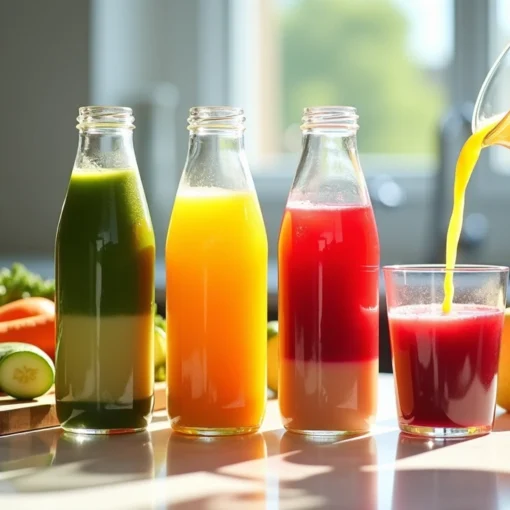
Pressed Juicery is not heat-pasteurized. Pressed Juicery uses High-Pressure Processing (HPP), a non-thermal method that applies intense water pressure up to 87,000 psi to eliminate harmful bacteria. HPP extends shelf life while keeping the juice raw, unheated, and nutrient-dense without exposing it to high temperatures.
What is Cold Pressed Juice and How is it Made?
Cold pressed juice represents a return to traditional extraction methods but with modern technology. Unlike many commercial juices you find at the supermarket, cold pressed juice undergoes a specific production process focused on preserving natural nutrients.
What does cold pressed mean?
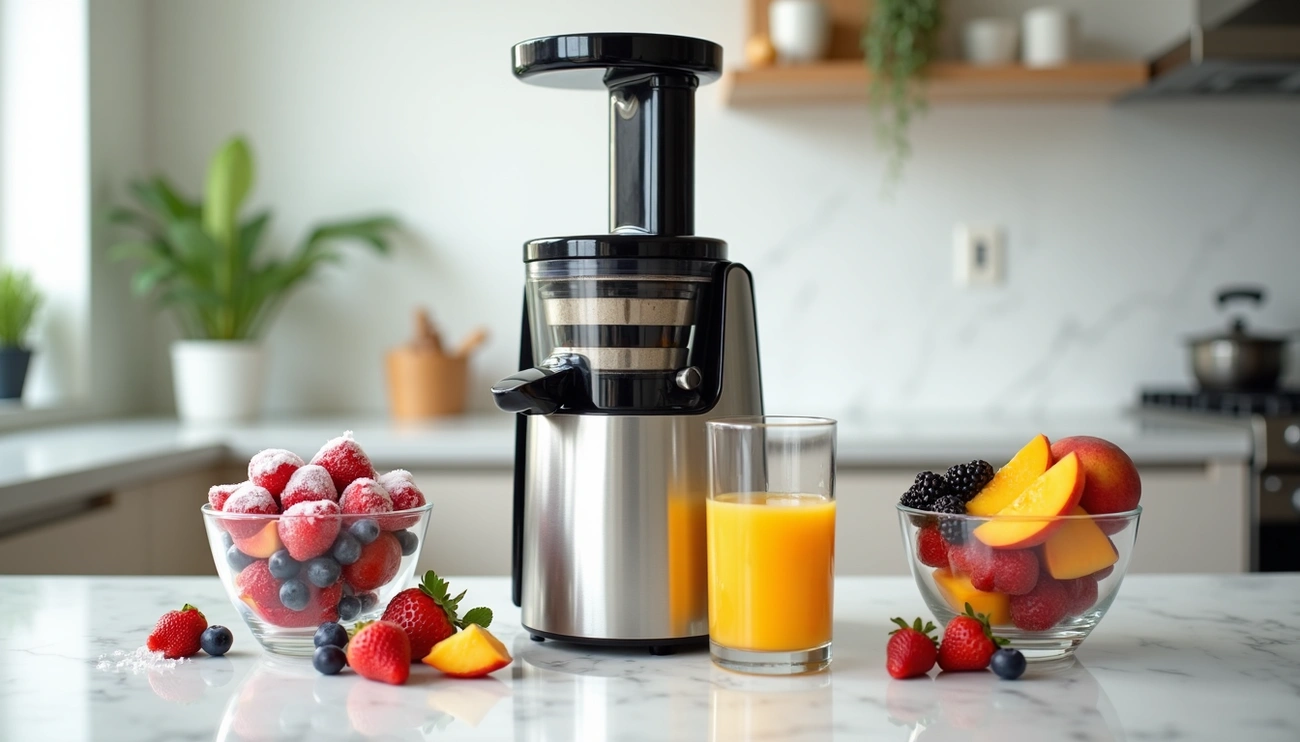
Cold pressed juice gets its name from the hydraulic press technology used to extract liquid from fruits and vegetables. This method uses thousands of pounds of pressure to squeeze every drop of juice from produce without applying heat. The process involves two primary steps: first, shredding or compressing the fruits and vegetables into a pulp, then exposing this pulp to extreme pressure between plates, causing the juice to drip into a collection tray.
Dale E. Wettlaufer pioneered the industry standard hydraulic cold-press technology with vertical pressing layers in 1983, making the juicing process more efficient. This technology mimics the action of squeezing juice by hand but with significantly more force.
How cold pressing differs from traditional juicing
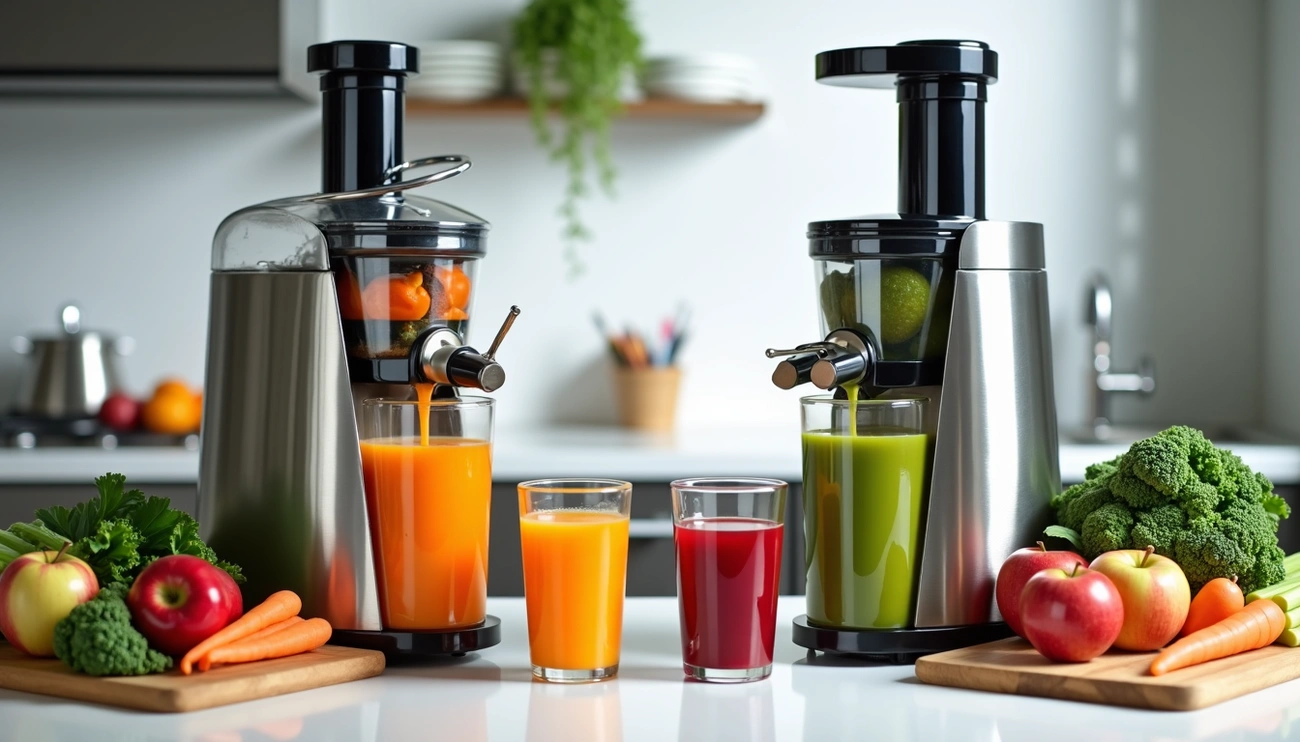
Traditional juicing typically relies on centrifugal methods that use fast-spinning metal blades to separate juice from pulp. These blades spin at high speeds, creating friction that generates heat. Furthermore, the rapid spinning introduces oxygen into the juice, accelerating oxidation.
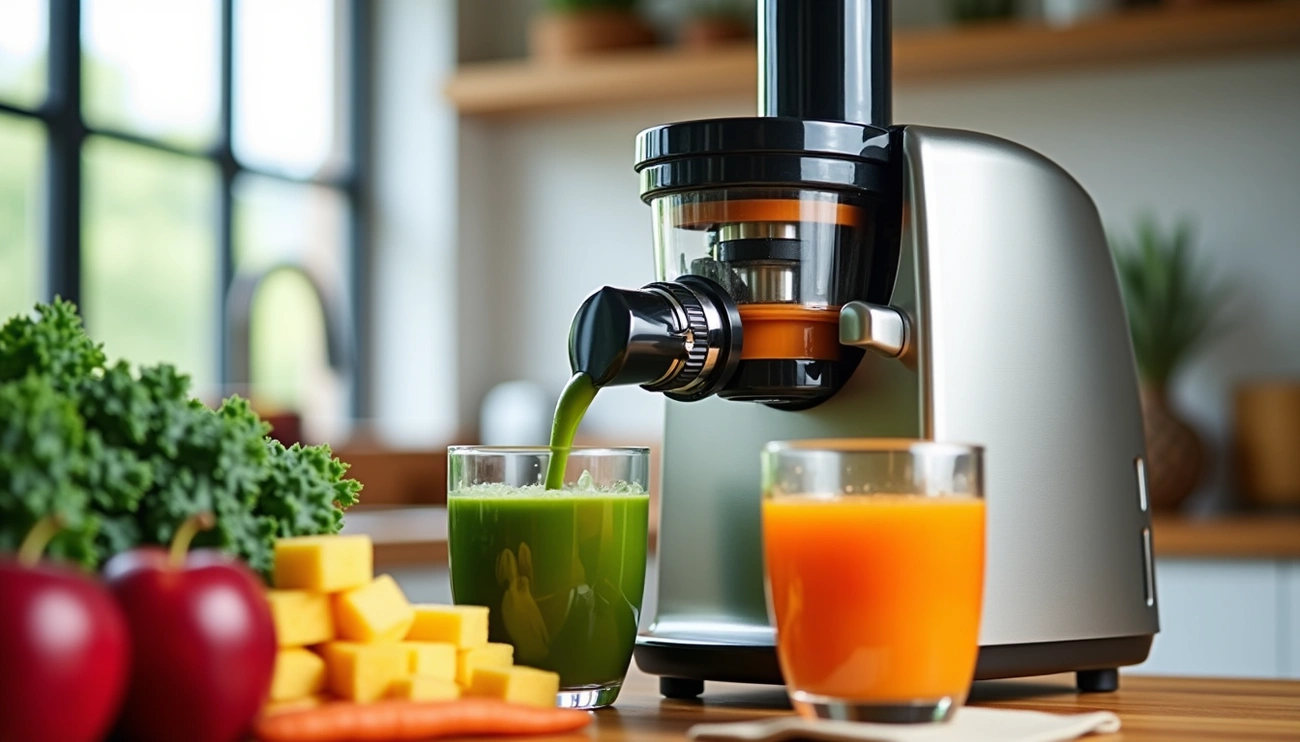
Conversely, cold pressed juicers operate at much slower speeds. They gently crush and press produce rather than shredding it at high velocities. This methodical approach yields juice with superior physical properties, including better color and mixing qualities.
Why no heat is used in cold pressed juice
The absence of heat during cold pressing serves a crucial purpose: nutrient preservation. Many vitamins and enzymes found in fruits and vegetables are extremely heat-sensitive. For instance, vitamin C begins breaking down immediately when exposed to heat.
Cold pressing also minimizes oxidation—an inevitable process once produce is cut and exposed to air. Centrifugal juicers accelerate oxidation by introducing oxygen during the high-speed extraction, consequently degrading vitamins B and C, along with beneficial phenolic compounds.
By avoiding heat and minimizing air exposure, cold pressed juices retain more of their original nutritional profile. This preservation of nutrients, along with the full flavor extraction, explains why cold pressed juice has gained popularity despite its shorter shelf life—typically just 3-5 days unless additional preservation methods are applied.
Is Cold Pressed Juice Pasteurized?
Traditionally, most juices undergo a crucial safety step before reaching store shelves. Let’s explore the relationship between pasteurization and cold pressed juices.
Understanding traditional pasteurization
Pasteurization, named after French scientist Louis Pasteur in the 1860s, is a heat-treatment process that destroys pathogenic microorganisms in food and beverages. For juices, this typically involves heating to temperatures between 160-185°F (71-85°C) for a short duration, ranging from a few seconds to a few minutes. The primary goal is eliminating harmful bacteria like E. coli, Salmonella, and Campylobacter that could cause foodborne illnesses.
Throughout the food industry, different pasteurization methods exist. The most common for juices is High Temperature Short Time (HTST) pasteurization, which heats juice to about 165°F for 10-20 seconds. Ultra-high-temperature (UHT) processing involves even higher temperatures—approximately 280°F for at least two seconds.
Why pasteurization is avoided in cold pressed juice
Cold pressed juice producers generally shy away from traditional pasteurization for several compelling reasons. First, applying heat fundamentally contradicts the “cold” in cold pressed—heat processing essentially negates the benefits of keeping everything cold during extraction.
Secondly, heating significantly alters the juice’s color and taste. Green juices may become darker and develop bitter flavors. Moreover, heat destroys living enzymes and beneficial microorganisms while reducing overall nutritional value.
Are pressed juices pasteurized at all?
Many cold pressed juice companies utilize an alternative called High-Pressure Processing (HPP), sometimes termed “cold pasteurization”. Unlike heat methods, HPP applies extreme pressure to bottled juices, effectively eliminating harmful bacteria while largely preserving nutrients, enzymes, and flavor.
The FDA requires unpasteurized juice products to carry warning labels unless they’ve been processed using Hazard Analysis and Critical Control Point (HACCP) principles. Consequently, most commercially available cold pressed juices undergo some form of processing—typically HPP—which allows them to maintain safety standards while extending shelf life from a mere 72 hours to approximately 45 days.
How Pressed Juicery Preserves Juice Without Pasteurization
Preserving juice freshness without compromising nutritional value presents a significant challenge for companies like Pressed Juicery. Instead of traditional heat pasteurization, they’ve turned to an innovative technology that maintains the “cold” in cold pressed.
What is High Pressure Processing (HPP)?
High Pressure Processing applies extreme water pressure to sealed juice bottles—between 85,000 to 87,000 psi (comparable to pressure at the ocean’s deepest point). This non-thermal technique eliminates harmful pathogens and spoilage microorganisms by rupturing their cell membranes. Notably, HPP works without applying heat, meaning the juice remains raw throughout the process.
How HPP compares to pasteurization
Whereas pasteurization uses high temperatures that often damage heat-sensitive nutrients, HPP preserves vitamins, minerals, enzymes, and flavor compounds. The pressure affects only non-covalent bonds, leaving smaller molecules intact. Accordingly, HPP-treated juices maintain their original color, taste, and nutritional profile. Another advantage—HPP requires no chemical preservatives, enabling clean label products.
Does Pressed Juicery use HPP?
Yes, Pressed Juicery specifically states they use HPP technology for their products. Their website confirms: “Pressed juices go through a process called HPP (High Pressure Processing). As compared to other processes like pasteurization, HPP helps our product maintain higher nutrient density and minimally impacts vitamins, antioxidants, nutrition, and flavor”.
Shelf life of HPP-treated cold pressed juice
Prior to HPP treatment, cold pressed juices typically spoil within approximately 3 days. Following HPP processing, shelf life extends dramatically—typically between 30-45 days under refrigeration. Pressed Juicery advises that their products should not be left unrefrigerated for more than two hours (one hour if above 90°F) to maintain safety and quality.
How to Know if Your Juice is Pasteurized
First and foremost, determining whether your juice is pasteurized requires careful attention to packaging and labeling details.
Reading product labels correctly
Identifying pasteurized juice often comes down to packaging type. Juice is likely pasteurized if it’s canned, boxed, or labeled as shelf-stable. For bottled products, look specifically for terms like “pasteurized” on the label. Unpasteurized juices must carry this warning: “WARNING: This product has not been pasteurized and therefore may contain harmful bacteria that can cause serious illness in children, the elderly, and persons with weakened immune systems”. This warning must appear in bold type and be set off in a box.
What to ask at juice bars or stores
Since juice sold by the glass at orchards, farmers markets, juice bars, and some restaurants doesn’t require warning labels, direct questioning becomes crucial. Simply ask: “Is this juice pasteurized or treated for safety?”. For bottled juices with unclear labeling, inquire about processing methods, particularly if you’re pregnant, elderly, or immunocompromised.
FDA regulations and warning labels
Under FDA regulations, any juice not processed to reduce pathogens by 100,000-fold must display the warning label. Nevertheless, juice processed using Hazard Analysis and Critical Control Point (HACCP) principles can avoid this requirement. Interestingly, once manufacturers implement HACCP principles, the warning label requirement may be eliminated. Small processors who don’t achieve pathogen reduction must still comply with labeling rules.
Conclusion
Cold pressed juice offers a compelling alternative to traditionally processed juices, particularly for health-conscious consumers. Throughout this article, we’ve learned that Pressed Juicery doesn’t use conventional heat pasteurization. Instead, they rely on High Pressure Processing (HPP), also known as cold pasteurization. This method effectively eliminates harmful bacteria while preserving most nutrients, enzymes, and flavors – essentially delivering the best of both worlds.
Safety concerns remain paramount when consuming any unpasteurized juice. Therefore, understanding label information becomes crucial, especially for vulnerable populations like pregnant women, elderly individuals, or those with compromised immune systems. The FDA mandates warning labels on truly unpasteurized products for good reason.
The next time you pick up a bottle from Pressed Juicery, you can feel confident knowing their HPP method extends shelf life significantly beyond the typical 72-hour window of untreated cold pressed juice. Though not technically heat-pasteurized, these juices undergo a scientifically validated safety process that maintains their nutritional integrity.