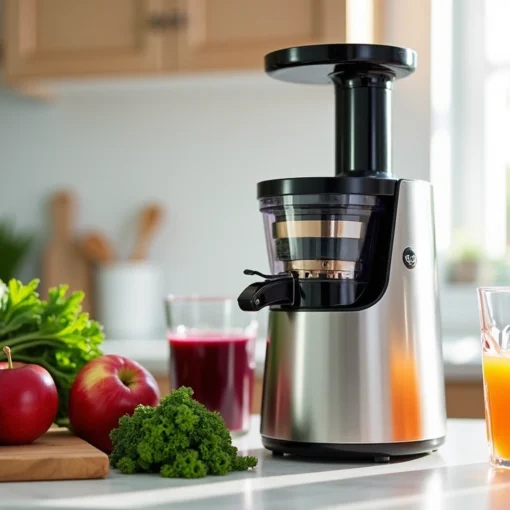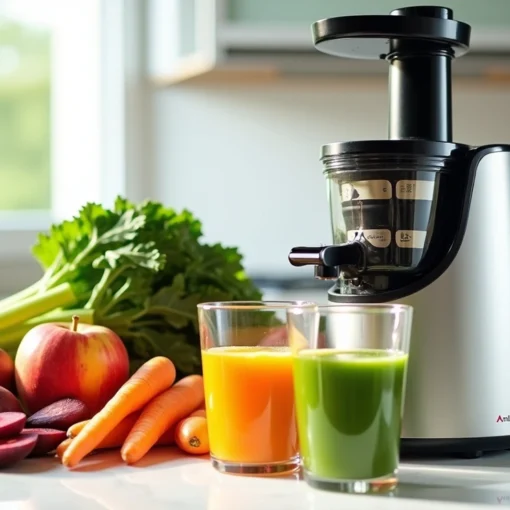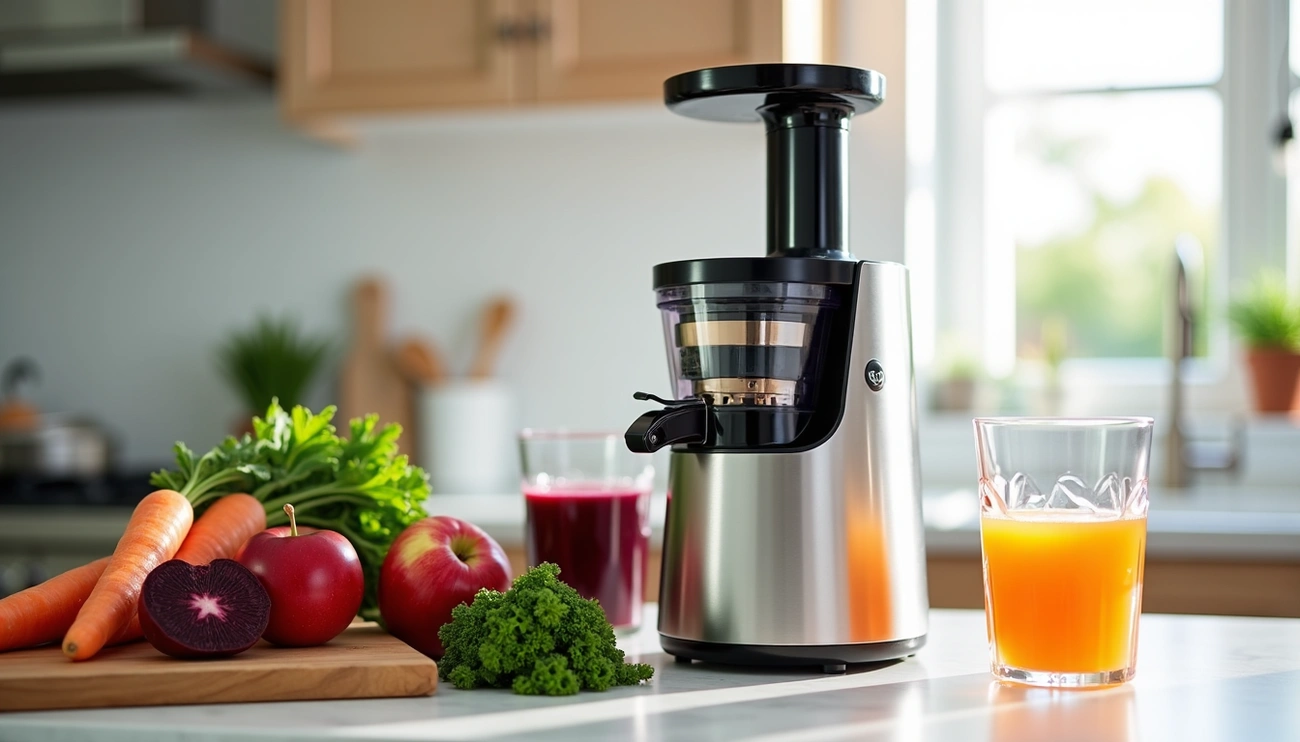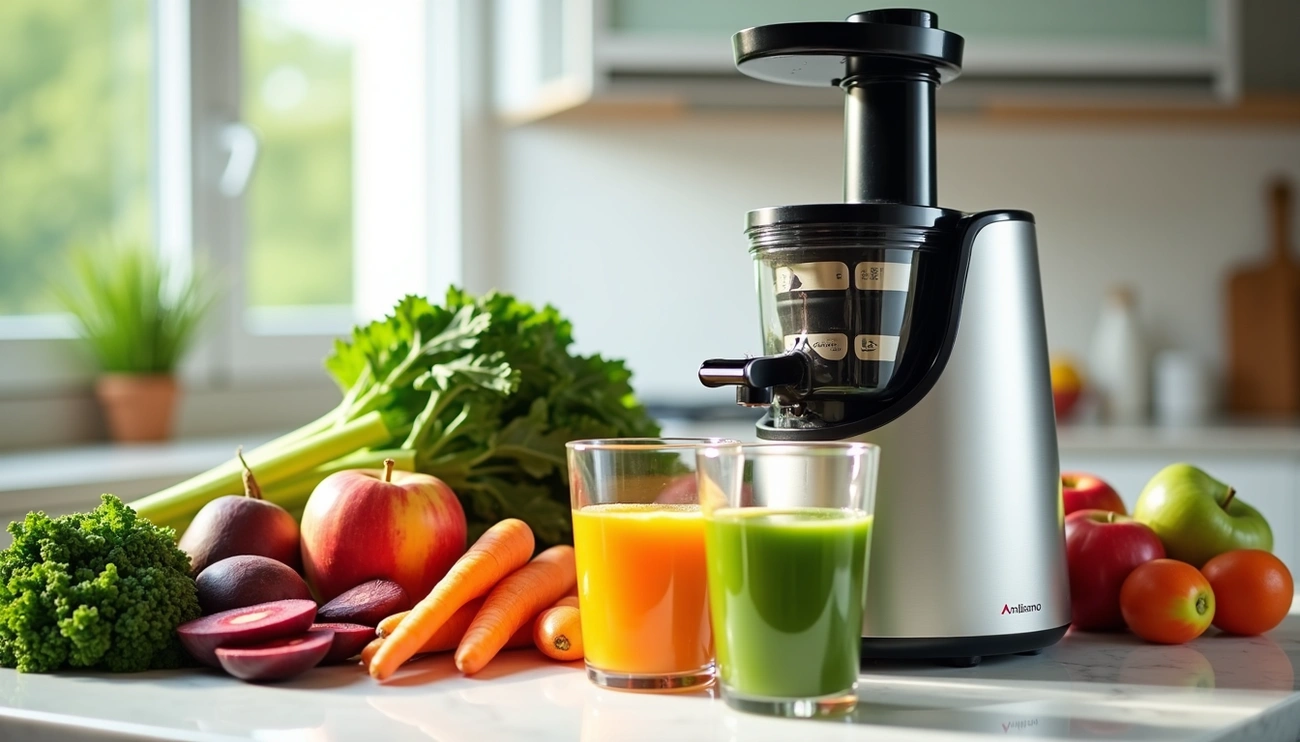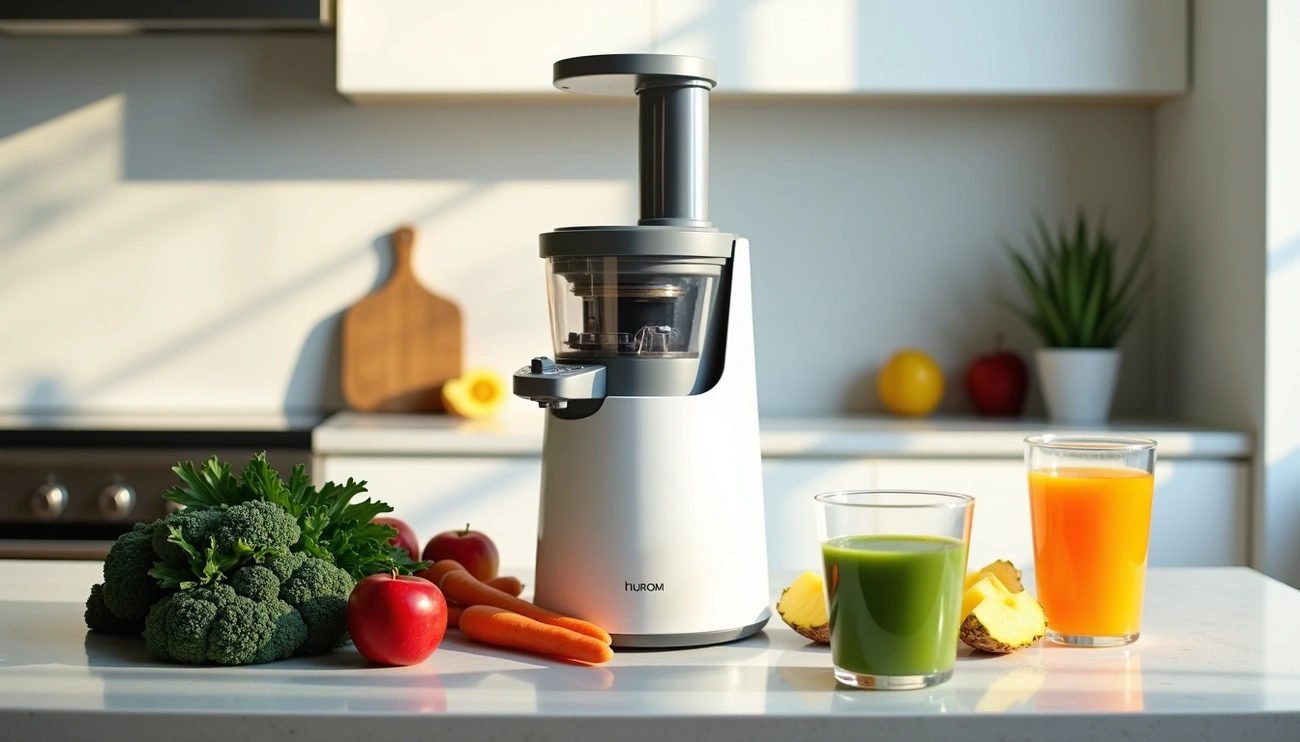
Hurom juicers deliver premium slow-squeeze extraction that produces high-yield, nutrient-rich juice with minimal oxidation. Models like the H70 and H400 operate quietly, use a screenless design for easy cleaning, and excel with leafy greens, celery, and fruit. While priced between $500 and $700, Hurom juicers offer durable construction and multi-year performance.
What Makes Hurom Juicers Different
The fundamental difference between Hurom juicers and conventional models lies in their extraction method. Let me break down what makes these slow juicers stand out and why it matters for your daily nutrition.
Cold press vs centrifugal: what’s the difference?
Centrifugal juicers operate at extremely high speeds—up to 13,000 revolutions per minute (RPM)—using fast-spinning blades that shred fruits and vegetables. This high-speed process generates heat and introduces oxygen, leading to faster oxidation of nutrients. In contrast, cold press (masticating) juicers work at much lower speeds, gently crushing and pressing produce rather than shredding it.
The heat produced by centrifugal juicers is problematic because many enzymes and vitamins, especially vitamin C, break down when exposed to heat. Furthermore, the rapid spinning causes more air to mix with the juice, creating foam and accelerating separation and nutrient degradation.
Another key distinction: centrifugal juicers struggle with leafy greens, yielding less juice from vegetables like kale and spinach, whereas cold press juicers excel with these nutrient-dense ingredients.
Understanding Hurom’s slow juicing technology
Hurom’s patented Slow Squeeze Technology mimics hand-squeezing an orange. Their juicers rotate at just 43 RPM—even lower than the industry average for slow juicers. This gentle pressing action minimizes heat and oxidation, preserving the natural taste and nutritional integrity of your ingredients.
The specially designed auger squeezes every drop of juice from produce, leaving behind remarkably dry pulp. Consequently, you get more value from your fruits and vegetables, with all the goodness in your glass instead of in the waste bin.
Hurom’s technology also extracts nutrients from between the bonds of fiber compounds, maximizing the nutritional value of each juice. Moreover, the slow juicers contain no blades or sharp parts, making them safer for family use.
Why pulp matters: fiber and nutrition
The pulp from juicing contains nearly 95% of the fiber of fresh fruits and vegetables. Since only about 5% of Americans meet their recommended daily fiber intake of 20-38 grams, this component is nutritionally valuable.
Fiber helps regulate blood sugar, reduces inflammation, and supports gut health by feeding beneficial bacteria. Essentially, it contributes to preventing chronic diseases like diabetes and heart disease.
Hurom juicers offer versatility regarding pulp content—models like the H-AA allow you to control pulp amount using a simple lever mechanism. The drier pulp produced by Hurom juicers indicates more efficient extraction, ensuring you get maximum nutrition in your glass.
Hands-On Experience with the Hurom Juicer
After testing various Hurom models extensively, I’ve gathered practical insights about their real-world performance that go beyond marketing claims.
Juicing leafy greens, fruits, and hard veggies
My Hurom truly shines with green leafy vegetables. The slow-spinning auger effectively extracts juice from kale, spinach, and celery, yielding noticeably more liquid than centrifugal juicers. When juicing greens, I noticed that models like the H320 grip and process them without the wrapping or clogging issues common with faster juicers.
Hard vegetables such as beetroot and carrots produced excellent results across all models I tested. Indeed, the H400 delivered impressive extraction from tough produce like celery and parsley. For softer fruits, results varied—some users report pulpier output with apples and pears, though this improved by alternating soft fruits with firmer produce.
Noise level and speed of operation
Noise level is where Hurom stands apart from traditional juicers. During operation, these machines run remarkably quietly—the H400 generates approximately 60 dB (equivalent to normal conversation), the H320 produces about 64 dB, and the H310 operates at whisper-level 53 dB.
Regarding speed, different Hurom models operate at varying RPMs—from 43 RPM in the HT model to 90 RPM in the H400. A typical juicing session takes about 2-3 minutes to extract juice from produce, with whole apples requiring around 45 seconds to process completely.
Juice quality and taste comparison
The taste difference is immediately noticeable—Hurom-produced juice tastes fresher and more flavorful than centrifugal alternatives. Specifically, vegetable combinations (carrots, spinach, celery, romaine, cucumber) retain distinct flavors, creating what one reviewer described as “like a salad in a glass”.
Pulp content varies by model: the H400 produces slightly pulpier juice with higher fiber content, which aids digestion and slows sugar absorption. Conversely, the H320 creates ultra-low pulp, smoother juice. Interestingly, the pulp separates to the bottom of the glass, visibly showing how nutrient-rich material remains in your drink rather than being discarded.
Cleaning and Maintenance: Is It Really Easy?
Cleaning anxiety often keeps juicers gathering dust in cabinets. After extensively testing my Hurom, I found the cleaning process surprisingly straightforward, albeit with some nuances worth sharing.
Disassembly and reassembly process
The disassembly process follows a logical sequence: first, ensure the juicer is unplugged, then twist the hopper counterclockwise and lift it off. Next, remove the auger, followed by gently separating the strainer from the spinning brush. For reassembly, insert the strainer into the spinning brush until you hear a click, place the auger into the strainer with a twist, and secure the hopper by turning it clockwise until the arrows align.
Time required to clean after use
Cleaning time varies by model but generally takes between 5-10 minutes. The H310 requires complete disassembly for cleaning but only takes about 10 minutes total. For quick cleanup between different juices, Hurom’s “simple cleaning” feature allows you to pour water through with the juice cap closed, though this is just temporary.
Tips to avoid staining and clogging
Firstly, clean immediately after juicing—this prevents pulp from drying and sticking. For stubborn turmeric stains, soak plastic parts overnight in a 10% lemon juice or white vinegar solution. To prevent clogging, particularly with fibrous ingredients like celery or pineapple, cut produce into smaller pieces. Subsequently, avoid washing parts in dishwashers unless specifically marked dishwasher-safe, as high temperatures can damage seals and sensors.
Pros, Cons, and Final Thoughts
After several months of hands-on testing, my Hurom experience revealed both strengths and limitations worth considering before making your investment.
What I loved about the Hurom juicer
The juice extraction efficiency impressed me most—pulp comes out remarkably dry, indicating maximum yield. The quiet operation makes morning juicing peaceful, with models like the H310 producing just 53dB of noise. Cleaning is genuinely simple, often requiring just a quick rinse under water. For leafy greens, the slow-squeeze technology performs exceptionally well compared to centrifugal alternatives.
What could be improved
The “slow” in slow juicer is accurate—producing a 16oz glass takes about 5 minutes. Meanwhile, some models require extra preparation time with ingredients needing to be cut smaller. Certain models like the H310 produce juice with small bits of pulp, requiring an additional straining step.
Is it worth the price?
Certainly, the initial investment ($399-$699) seems steep. However, considering the 5-year cost comparison—$1,200 for a Hurom versus $4,065+ for a centrifugal juicer—the value becomes apparent. Most models include a 10-15 year warranty, further justifying the price.
Best Hurom juicer models to consider
Overall, each model serves different needs:
- H400: Best for families and batch juicing with self-feeding technology
- H310: Most compact and travel-friendly option
- H320: Produces the smoothest, pulp-free juice
- H70: Balanced design with excellent cleaning features
Conclusion
After months of testing Hurom juicers, I can confidently say these machines deliver on most of their promises. The slow-squeeze technology truly preserves more nutrients while extracting maximum juice from produce. My kitchen counter now regularly features fresh juice without the noise pollution common to centrifugal alternatives.
The initial sticker shock might deter some potential buyers. However, when factoring the long-term economics—higher juice yield, durability lasting 10+ years, and preservation of expensive produce nutrients—Hurom juicers ultimately prove cost-effective. Additionally, the remarkably dry pulp means you’ll waste less of your grocery budget.
Cleaning concerns shouldn’t stop you from investing, either. Though the marketing claims of “easy cleaning” seemed skeptical at first, actual experience confirms most models can be cleaned in under 10 minutes. Simply rinse components immediately after use for best results.