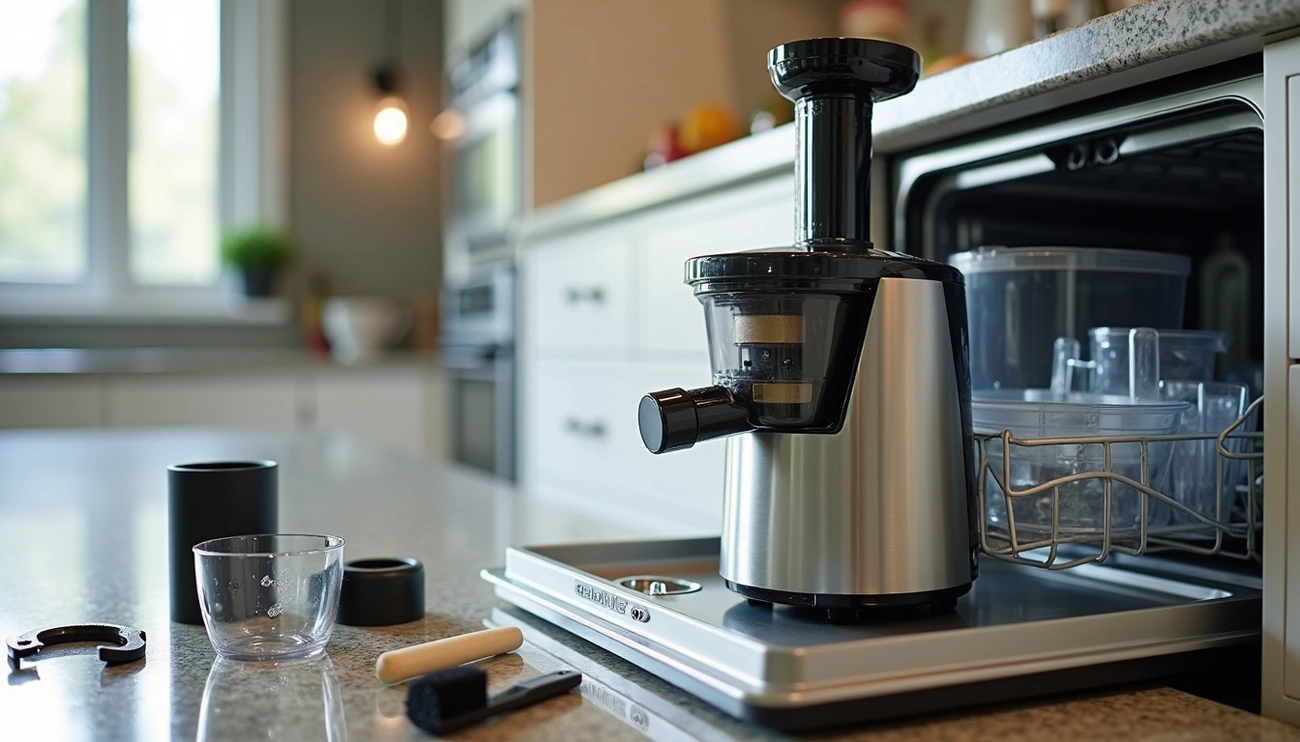
Breville juicer parts are mostly dishwasher safe, but not all components can go in the dishwasher. The jug, lid, filter bowl surround, and pulp container are top-shelf dishwasher safe. The motor base is never dishwasher safe. Hand-wash the stainless steel mesh filter and food pusher to prevent mesh dulling and plastic damage.
Understanding Breville Juicer Components
To get the most out of your Breville juicer and ensure proper cleaning, you need to understand its key components. Unlike standard kitchen appliances, Breville juicers consist of several specialized parts that work together to extract juice efficiently from various fruits and vegetables.
Main parts of a Breville juicer
The typical Breville juicer includes numerous components, each serving a specific purpose in the juicing process:
- Food pusher: Designed for pushing whole fruits and vegetables safely down the feed chute
- Wide feed chute: Measuring 75mm in width, this component accommodates whole fruits and vegetables without pre-cutting
- Juicer cover: Protects the internal components during operation
- Filter bowl surround: Contains the juice during extraction before it flows to the juice jug
- Stainless steel titanium reinforced micro mesh filter basket: The crucial component that separates juice from pulp
- Pulp container: Collects extracted pulp during the juicing process
- Juice jug with lid: Typically 1-liter capacity with built-in froth separator
- Motor base: Houses the powerful motor (some models feature an 850W motor generating up to 13,000 rpm)
- Interlocking safety arm: Prevents operation unless the cover is properly locked in place
- Control panel: Features speed controls for processing different types of produce
Breville also includes specialized parts like the cleaning brush, specifically shaped to clean pulp from filter screens.
Which parts come into contact with food
Understanding which components directly contact your fruits and vegetables is crucial for proper hygiene and maintenance. The primary food-contact parts include:
The feed chute receives whole fruits and vegetables first, followed by the food pusher that guides them toward the cutting disk. Once produce enters the machine, it meets the stainless steel micro mesh filter basket where actual juice extraction occurs.
The juice then travels through the filter bowl surround and exits via the juice spout into the collection jug. Meanwhile, separated pulp moves into the pulp container.
These food-contact parts require thorough cleaning after each use to prevent flavor transfer between different juice batches and eliminate bacteria growth in food residue.
Materials used and their dishwasher compatibility
Breville engineers their juicers using various materials selected for specific functions, with dishwasher compatibility varying between components:
The filter basket features stainless steel with titanium reinforcement for durability and efficient juice extraction. This component is dishwasher safe, though placement on the top shelf is recommended.
Likewise, the filter bowl surround, juice jug with lid, and pulp container are made from high-quality, food-grade plastic that withstands dishwasher cleaning (top rack only). The 1-liter juice jug includes a built-in froth separator to deliver smooth, bubble-free juice.
Conversely, certain components should never enter your dishwasher. The juicer cover and food pusher are explicitly labeled as not dishwasher safe by Breville. For these parts, warm soapy water and hand washing are the appropriate cleaning methods.
The motor base contains electrical components and should only be wiped with a damp cloth—never submerged in water or placed in a dishwasher.
Some models feature specific materials like the stainless steel dome in Breville’s 800 Class Citrus Press, which may have special cleaning requirements outlined in your model’s manual.
Understanding these material differences is essential when answering the question “is Breville juicer dishwasher safe?” since the answer varies by component, with proper care extending your juicer’s lifespan significantly.
Are Breville Juicer Parts Dishwasher Safe?
After purchasing a Breville juicer, many owners wonder which components can safely go in the dishwasher. Knowing exactly what’s dishwasher safe saves time and prevents potential damage to your valuable appliance.
Dishwasher-safe parts explained
The good news is that several Breville juicer components are indeed dishwasher compatible. According to the official Breville instruction manuals, these parts can be safely cleaned in your dishwasher:
- Filter bowl surround
- Juice jug and lid
- Pulp container
- Stainless steel filter basket (some models)
- Juicing cone (on citrus press models)
Nevertheless, even for dishwasher-safe parts, Breville recommends using only the top rack of your dishwasher. This positioning exposes components to less intense heat, helping preserve their integrity and functionality.
For the stainless steel filter basket specifically, dishwasher cleaning is permitted but comes with a cautionary note. Breville warns that regular dishwasher cleaning may shorten the lifespan of components due to “prolonged exposure to harsh detergents, hot water and pressure”. Furthermore, they advise inspecting parts regularly and discontinuing use if any damage is noticed.
The integrated pulp container and 800ml juice jug found in some models are typically dishwasher safe, as confirmed in the BJE200 instruction manual. For optimal results when using the dishwasher, I recommend rinsing components immediately after juicing to prevent residue buildup.
Parts that should never go in the dishwasher
Certain Breville juicer components must never be placed in the dishwasher under any circumstances:
The motor base houses sensitive electronic components and should only be wiped with a damp cloth – never submerged in water or placed in a dishwasher. Consequently, doing so would damage the electrical systems and possibly create safety hazards.
The juicer cover and food pusher are explicitly labeled as not dishwasher safe across multiple Breville models. Additionally, according to user reports, the pitcher lid and juicer blade assembly should be hand-washed. Some models may have additional non-dishwasher safe components, so checking your specific model’s manual is essential.
Another critical component requiring hand cleaning is the blade assembly. This part should be cleaned with a soft brush rather than in the dishwasher. The sharp blades can become dull or damaged when exposed to dishwasher detergents and high temperatures.
Why some parts are not dishwasher safe
Breville designates certain parts as non-dishwasher safe for several important reasons. First, many juicer components are made from materials sensitive to high temperatures and harsh detergents. Frequent exposure may cause warping, discoloration, or degradation of seals and blades.
The juicer cover, often made from specialized plastic, can warp when subjected to dishwasher heat cycles. Once warped, it may no longer fit properly or create an effective seal during operation. This compromises both safety and juicing efficiency.
Regarding the filter basket, although technically dishwasher safe in most models, hand washing is often preferred. Breville cautions that this component requires careful handling as “it can be easily damaged”. Moreover, they expressly prohibit soaking the stainless steel filter basket in bleach or abrasive cleansers.
Perhaps most importantly, regular dishwasher cleaning can impact juicing performance. Many users report “a decline in juice extraction efficiency after a period of dishwasher cleaning”. The high pressure water jets and chemical detergents may gradually erode the fine mesh holes in the filter basket, affecting juice yield and quality.
Overall, while the dishwasher offers convenience, hand washing remains gentler on materials, ensuring components retain their integrity and functionality for longer periods. By following Breville’s specific cleaning recommendations for each part, you’ll maintain optimal performance and extend your juicer’s lifespan.
How to Clean Breville Juicer Safely
Proper cleaning is essential for maintaining your Breville juicer’s performance and extending its lifespan. Even with dishwasher-safe parts, knowing the correct cleaning techniques ensures optimal results and prevents damage to your appliance.
Step-by-step cleaning instructions
Initially, unplug your juicer and carefully disassemble all removable parts. This allows you to reach hidden residue that might otherwise accumulate. Firstly, rinse components in warm water immediately after juicing to remove wet pulp and prevent it from drying. Afterward, separate parts that can go in the dishwasher from those requiring hand washing.
For dishwasher-safe parts (filter bowl surround, juicing jug, pulp container), place them on the top shelf only. Hand wash the juicer cover and food pusher with warm soapy water and a soft cloth. To clean the motor base, simply wipe with a damp cloth—never submerge it in water.
Using the cleaning brush effectively
The specialized cleaning brush included with your Breville juicer is specifically designed to clean the filter basket efficiently. When using this brush, hold the filter basket under running water and scrub in a circular motion from the inside of the basket toward the outer rim. This technique effectively removes pulp trapped in the mesh.
Equally important is avoiding the small sharp blades in the center of the filter basket while cleaning. For stubborn residue, alternate brushing from inside and outside until completely clean. Finally, rinse thoroughly after brushing to remove any loosened particles.
Tips to prevent pulp buildup
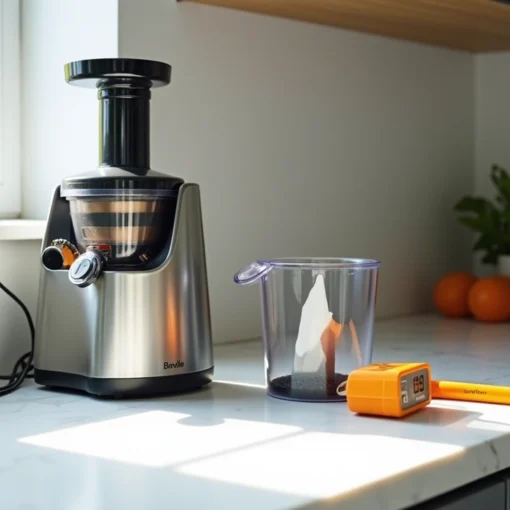
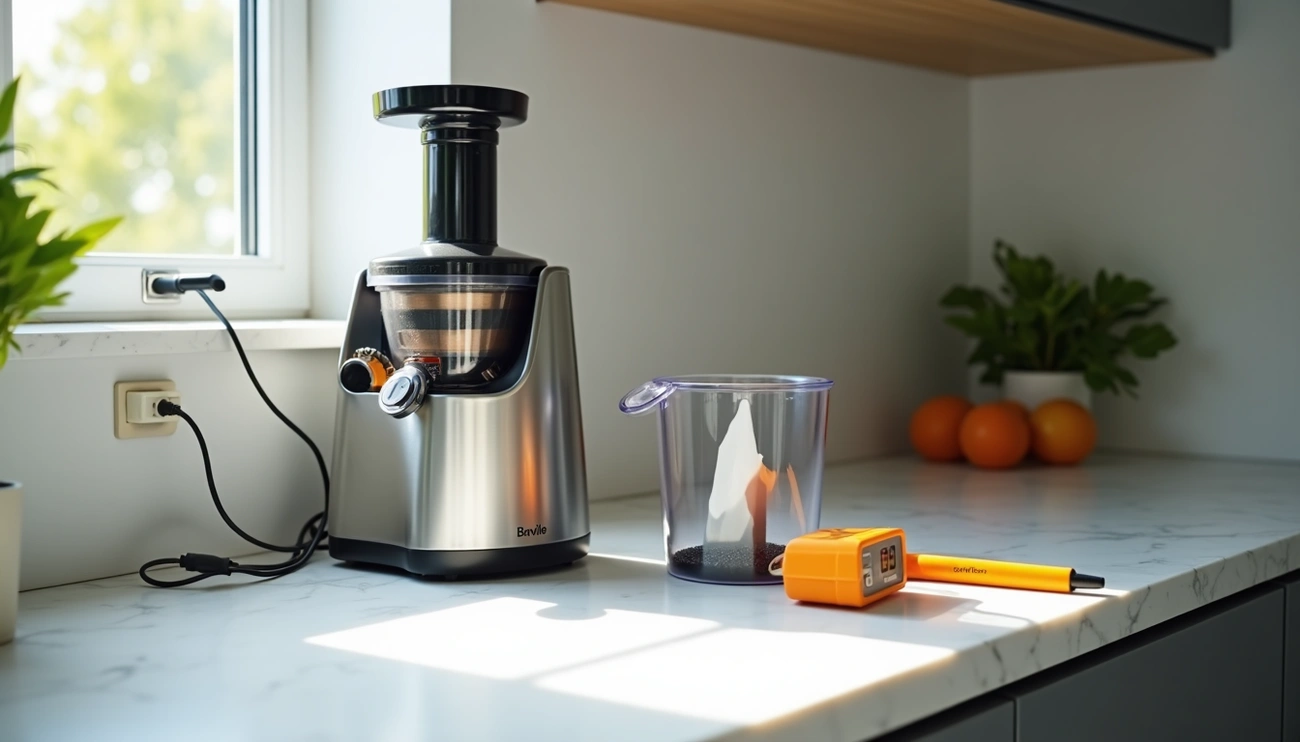
Preventing pulp buildup starts with immediate cleaning after each use. One particularly helpful hack is lining your pulp container with a plastic freezer bag to collect pulp, making disposal easy and minimizing cleaning. Besides convenience, this method allows you to save the pulp for other recipes or composting.
For optimal juicing performance, clean as you go rather than waiting until the end of your juicing session. Additionally, if you notice reduced juice extraction or wet pulp, stop juicing and clean the filter basket before continuing. This simple step prevents motor strain and ensures consistent results.
How to clean the filter basket
The stainless steel filter basket requires special attention as it directly impacts juicing efficiency. Soak it in hot soapy water for approximately 10 minutes immediately after juicing. This step is crucial because dried pulp can clog the fine mesh pores, reducing juicing effectiveness.
For persistent blockages, hold the clean filter basket up toward a light source to check for blocked holes. Should you discover clogged mesh, soak the basket in hot water with 10% lemon juice to loosen debris. This natural cleaning solution works effectively without damaging the delicate mesh.
Certainly, while the filter basket is dishwasher safe, many experts recommend hand washing to extend its lifespan. Furthermore, never use bleach or abrasive cleaners on the filter, as these can damage the mesh and compromise juicing performance.
Best Practices for Dishwasher Use
When it comes to dishwasher cleaning of your Breville juicer components, proper technique matters just as much as knowing which parts are dishwasher safe. Following specific guidelines will protect your investment and maintain juicing performance.
Top rack vs bottom rack placement
For dishwasher-safe Breville juicer parts, placement makes a crucial difference. Always position components on the top rack only. This recommendation exists primarily because in most dishwashers, the heating elements are located at the bottom. These elements can generate enough heat to warp or damage plastic components. The top rack provides a safer environment with lower temperatures and reduced water pressure.
Lightweight plastic items like the pulp container might melt or distort if placed on the bottom rack. Even newer dishwashers with more evenly distributed heating can pose risks to juicer components. As a general rule, items marked “top rack dishwasher safe” should never migrate to the bottom, regardless of your dishwasher model.
Avoiding detergent damage
Harsh dishwasher detergents can gradually deteriorate Breville juicer components. I’ve found that using mild detergents without abrasives or bleaching agents helps preserve component integrity. In fact, prolonged exposure to strong detergents is one reason many experts suggest limiting dishwasher cleaning altogether.
For the filter basket specifically, avoid abrasive detergents entirely, as damage can compromise juice quality. In essence, gentler cleaning agents extend the lifespan of all components.
How often to use dishwasher vs hand wash
Despite dishwasher compatibility for certain parts, hand-washing remains the optimal care method for Breville juicers. I recommend balancing convenience with component preservation—perhaps using the dishwasher occasionally rather than after every use.
For daily juicing, consider hand-washing most components and reserving dishwasher cleaning for weekly deep cleaning sessions. This approach provides convenience while minimizing potential damage from repeated dishwasher cycles.
Drying tips after dishwasher use
After dishwasher cleaning, ensure all components are completely dry before reassembly. This critical step prevents mold growth and unpleasant odors that can affect juice taste. For thorough drying, I place components on a clean towel with adequate air circulation rather than immediately reassembling while damp.
Pay special attention to the filter basket and other components with crevices where moisture might linger. Complete drying preserves component integrity and prevents bacteria growth between uses.
Common Mistakes and Troubleshooting
Mistakes happen when cleaning your Breville juicer, but most issues can be easily resolved with proper knowledge.
What happens if you wash non-safe parts
Placing non-dishwasher safe components in your dishwasher can cause serious damage. Motors and electronic parts should never contact water as this leads to permanent damage or malfunction. Plastic components may warp or discolor when exposed to high temperatures. First of all, these changes affect how well your juicer seals during operation, ultimately reducing juice yield.
Signs of wear from dishwasher use
Upon further examination, you might notice deterioration in dishwasher-cleaned parts. Breville explicitly warns that “washing parts on a regular basis in the dishwasher can shorten their life due to prolonged exposure to harsh detergents, hot water and pressure”. Watch for discoloration, warping, or misshapen components. These visible changes typically precede functional problems.
How to fix clogged mesh or filter
A micro-clogged filter is frequently the culprit behind poor juicing performance. When juice starts appearing in the pulp container, your filter likely needs attention. Soak the filter in hot water with 10% lemon juice to unblock fine mesh holes. For stubborn blockages, commercially available cleaners like Citroclean (mixed 1:3 with water) can restore performance.
When to replace parts
Unfortunately, even with excellent care, some components will eventually wear out. Filter baskets gradually become less effective as the tiny raised teeth dull over time. This results in mushy produce instead of proper shredding, leading to wet pulp. Juice extraction noticeably decreases when the filter needs replacement.
Conclusion
Taking proper care of your Breville juicer ultimately comes down to balancing convenience with longevity. While several components like the filter bowl surround, juice jug, and pulp container are dishwasher safe, placing them on the top rack only will protect them from excessive heat damage. Still, hand washing remains the gentler option for preserving your juicer’s components over time.
Remember that certain parts—particularly the motor base, juicer cover, and food pusher—should never enter the dishwasher under any circumstances. Though dishwasher cleaning saves time, the harsh detergents and high temperatures gradually reduce component lifespan and juicing efficiency. Therefore, I recommend alternating between hand washing and occasional dishwasher cleaning for the best results.
Cleaning your Breville juicer immediately after use prevents pulp from drying and becoming difficult to remove. Additionally, using the provided cleaning brush specifically designed for the filter basket helps maintain optimal juicing performance. Regular maintenance checks will help you spot signs of wear before they affect your juicing experience.