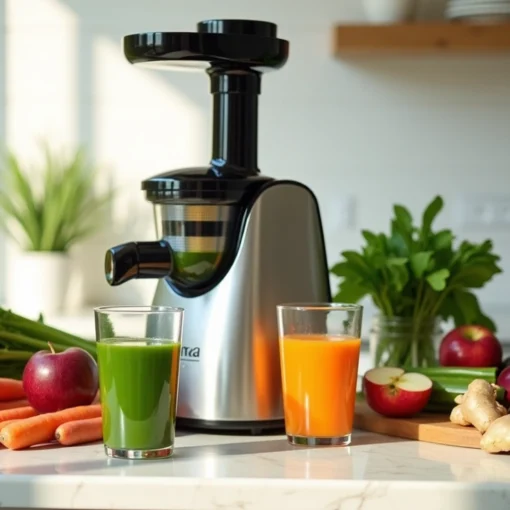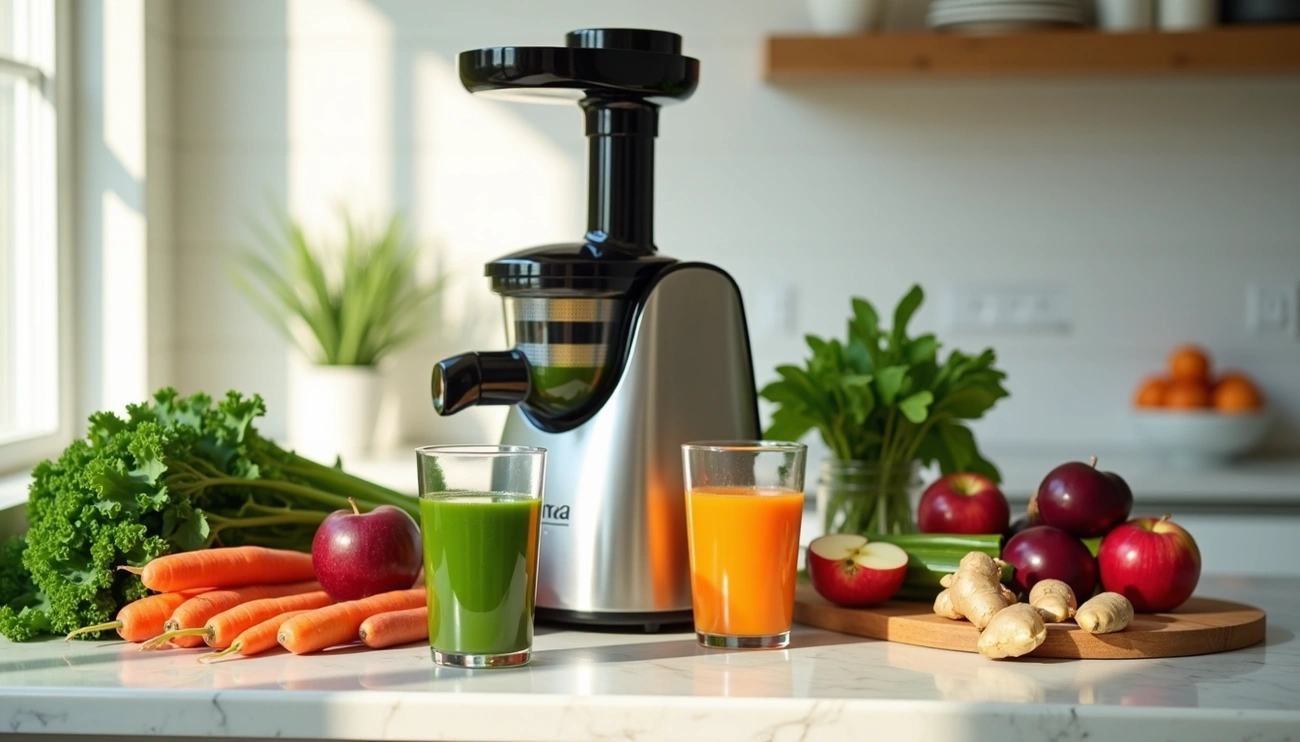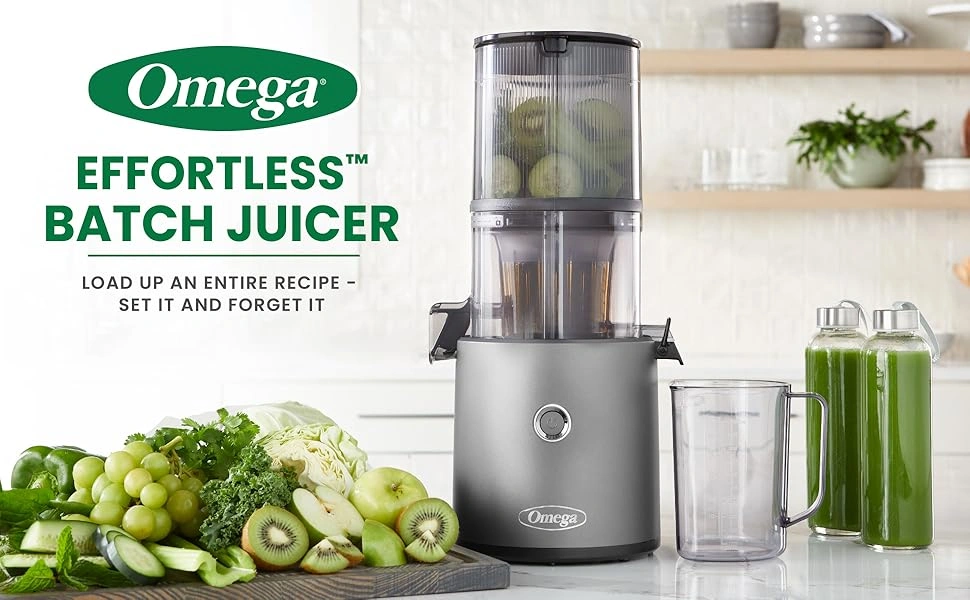
Yes, many Omega juicer models are BPA-free. Omega manufactures popular cold press masticating, vertical, and Medical Medium (MM) series juicers with BPA-free materials in all food-contact parts. BPA-free construction ensures safe juice extraction and reduces chemical exposure during daily use.
What does BPA-free mean in juicers?
BPA stands for Bisphenol A, an industrial chemical used since the 1960s to manufacture certain plastics and epoxy resins. This compound appears in many everyday items, including water bottles, food containers, and even the linings of metal food and drink cans.
Understanding BPA and its health risks
The concern with BPA stems from its ability to leach into food and beverages, especially when containers are heated or deteriorate over time. As an endocrine disruptor, BPA can interfere with the body’s hormone system, potentially affecting reproductive function, metabolism, and immune responses.
Furthermore, research from the National Toxicology Program suggests possible effects on brain development and behavior in infants and children. Studies have also identified connections between BPA exposure and increased risks of certain cancers, cardiovascular disease, and diabetes.
Alarmingly, a recent Horizon 2020 research initiative detected BPA in the urine of 92% of adult participants from 11 European countries. These levels exceeded revised European safety thresholds, raising significant long-term health concerns.
Why BPA-free matters in kitchen appliances
Kitchen appliances like juicers deserve special attention because they directly process our food and beverages. The primary exposure route for most people occurs through diet, making food-contact materials a crucial consideration.
Consequently, manufacturers have responded to these concerns by developing BPA-free alternatives. Nevertheless, it’s worth noting that some “BPA-free” products might contain similar chemicals like Bisphenol-S (BPS) or Bisphenol-F (BPF), which may carry comparable risks.
How Omega addresses BPA concerns
Omega has acknowledged these health considerations by offering BPA-free juicers across their product line. Specifically, models like the NC800/NC900 were among the first to be certified BPA-free.
For health-conscious individuals, Omega’s NC1002HDS and NC1000HDC models are marketed as “100% BPA Free for a juice that is richer in nutrition and promotes wellness”. This focus on material safety demonstrates Omega’s commitment to addressing consumer concerns about potentially harmful chemicals.
By prioritizing BPA-free construction in their juicers, Omega provides an option for those looking to minimize their exposure to this controversial chemical while still enjoying the benefits of fresh juice.
Materials used in Omega juicers
Looking closely at Omega juicers reveals a complex story about materials and safety. Many customers prioritize material safety when selecting kitchen appliances, particularly for those that process fresh foods directly.
Plastic components and BPA-free labeling
The truth about BPA in Omega juicers is nuanced. Despite many Omega juicers being marketed as “BPA-free,” not all components may be truly free of this chemical. According to direct communication with Omega, BPA is present in clear/smokey plastic parts like feed tubes and auger housings. Notably, only the NC800/NC900 models appear to be completely BPA-free.
For most Omega models, the auger and screens are made from GW Ultem, a petroleum-based product that contains BPA in its raw material. Omega explains that their plastic extrusion process occurs under extreme pressure and high heat, transforming the finished product to minimize BPA leaching. Additionally, since juice contact with these parts is brief and occurs without heating, the risk of chemical transfer is significantly reduced.
Stainless steel and other safe materials
Many Omega juicers incorporate durable stainless steel components, primarily in the blades and certain structural elements. The Omega Juicer Machine features high-quality stainless steel construction, while other models include stainless steel blades designed for effective juice extraction.
Besides stainless steel, Omega uses high-grade plastic in their construction. Some models feature Tritan plastic, which is generally considered safer than conventional plastics.
Comparing Omega MM400BL vs Omega Juicer Cold Press 365
Both models operate as slow masticating juicers, preserving nutrients through low-speed juicing technology. The MM400BL has raised questions regarding its BPA status, with conflicting information available. Although some parts may contain BPA, Omega representatives maintain that their juicers are safe due to minimal contact time between juice and plastic components.
The Omega Cold Press 365 uses similar materials but has been identified by Best Buy customer service as “not BPA free”. Despite this, both models feature dishwasher-safe parts, though experts recommend hand washing plastic components to prevent deterioration that could increase chemical leaching over time.
Safety and performance features
Beyond materials safety, Omega juicers excel through innovative technology that maximizes nutrition and user convenience. Let’s examine what makes these machines stand out in daily use.
Cold press technology and nutrient retention
The engineering behind Omega’s cold press juicers centers on slow-speed extraction operating at just 45-65 RPM. This methodical approach minimizes heat buildup and oxidation, preserving vital enzymes and nutrients that high-speed juicers often destroy. As a result, the juice retains more nutritional value and stays fresh longer—up to 72 hours in some cases.
Moreover, Omega’s triple-stage auger technology extracts maximum nutrients, vitamins, and flavor from produce. This system literally squeezes every drop of goodness from fruits and vegetables, leaving remarkably dry pulp compared to conventional juicers.
Noise level and motor efficiency
Thankfully, performance doesn’t come with excessive noise. Omega juicers operate significantly quieter than many competitors—with the NC900 measuring just 68-72 dB. The quiet operation makes morning juicing possible without disturbing your household.
Even with their whisper-quiet operation, these machines don’t compromise on power. Many models feature robust 150-watt motors, with premium options boasting 2-horsepower engines capable of processing tough, fibrous ingredients effortlessly.
Ease of cleaning and dishwasher-safe parts
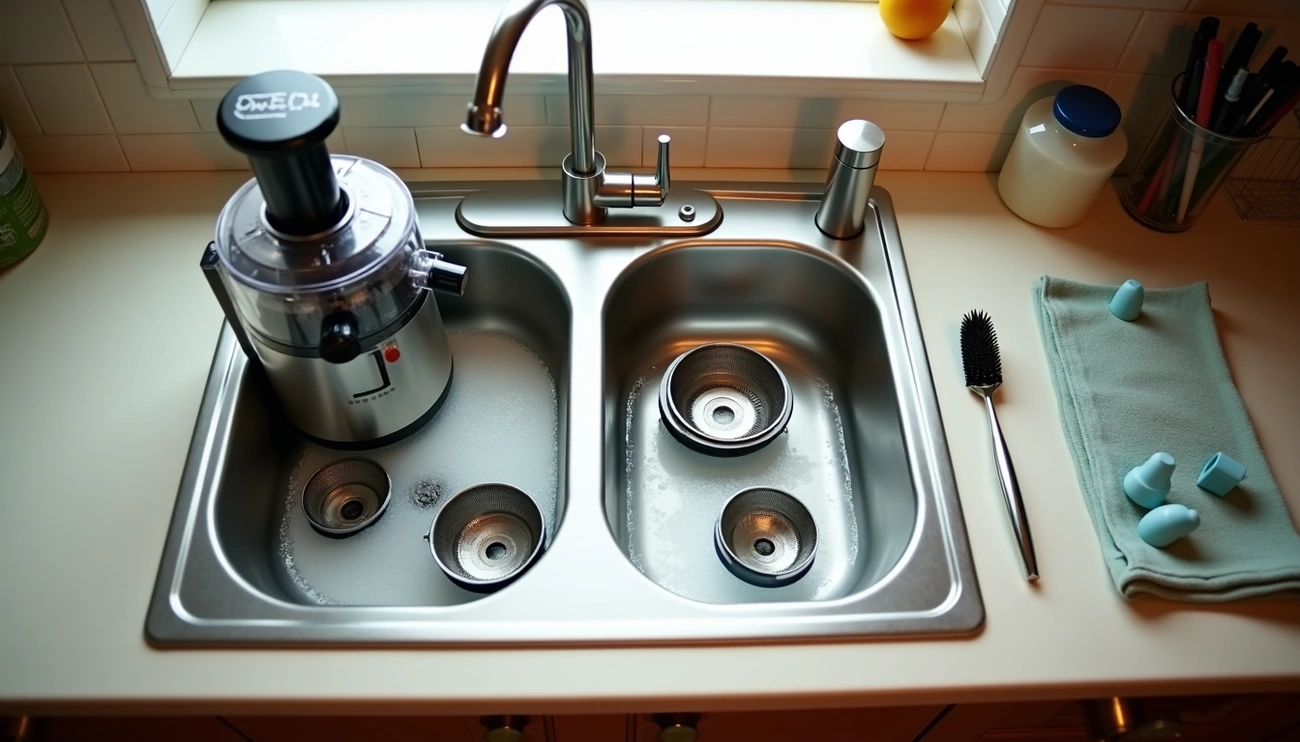
Cleaning represents another thoughtful design element. Most Omega models feature dishwasher-safe components that can be placed in the top rack for convenient cleaning. The company also provides specialized cleaning tools like brushes for maintaining mesh components.
Juicing celery, fruits, and vegetables effectively
Certain Omega models have earned special recognition for celery juicing efficiency. Their engineering maximizes yield from fibrous stalks, extracting every possible drop. This capability has even earned endorsements from health personalities like Anthony William (The Medical Medium).
For everyday versatility, the anti-clog reverse feature prevents frustrating jams during juicing sessions. The spacious feeding chutes on models like the NC900 reduce preparation time by accommodating larger pieces, making daily juicing practical rather than laborious.
What real users say about Omega juicers
Real customers offer valuable insights about Omega juicers beyond marketing claims. Their experiences highlight what truly matters in daily use.
Customer reviews on BPA-free claims
Users express mixed feedback regarding BPA concerns. First and foremost, some report receiving conflicting information from Omega representatives. One customer shared correspondence stating: “We use BPA Free materials in as many parts as we can… The auger and screens are made of GW Ultem which is a petroleum-based product”. Given these points, several users mention solving this issue by catching juice in glass containers instead of the provided plastic ones.
Durability and long-term use
Omega juicers earn impressive longevity ratings. The 15-year warranty convinces many purchasers, with the Omega 8006 described as “not only high quality… but it has a 15 year warranty and is ridiculously easy to clean”. Overall, Best Buy customers rate certain models 4.6 out of 5 stars, with 80% recommending to friends.
Is Omega juicer good for daily use?
Customers primarily praise Omega for everyday convenience. “If there is any gadget I use in my house it this here!” reports one enthusiast. Even though the feed chute requires smaller cutting of produce, users appreciate that it’s “so easy to clean it more than makes up for the few extra seconds”.
Omega juicer best buy: where to find deals
Smart shoppers find savings at multiple retailers. One user purchased from “Bed Bath and Beyond… used one of the 20% off coupons and saved USD 60.00”. Ultimately, Best Buy, Amazon, and Omega’s official website offer regular sales, with occasional refurbished options for additional value.
Conclusion
Safety concerns about juicing equipment deserve serious consideration, especially when we consume these beverages daily. Regarding the question “Is Omega juicer BPA free?” – the answer remains somewhat complicated. While Omega markets many models as BPA-free, only specific ones like the NC800/NC900 series appear completely free from this chemical. Nevertheless, the company maintains that their manufacturing process minimizes leaching risks.
The materials used across Omega’s product line demonstrate a balance between performance and safety. Stainless steel components offer durability, while high-grade plastics provide functionality. Their cold-press technology, operating at just 45-65 RPM, preserves vital nutrients through minimal heat generation – a significant advantage for health-conscious users.
Real-world experiences from Omega juicer owners generally support these quality claims. Most customers praise the machines’ durability, backed by impressive 15-year warranties. Though some users express concerns about BPA content, many solve this issue by collecting juice directly into glass containers rather than using the included plastic ones.