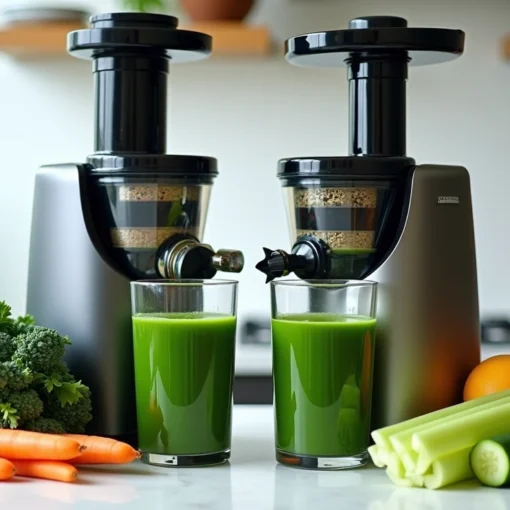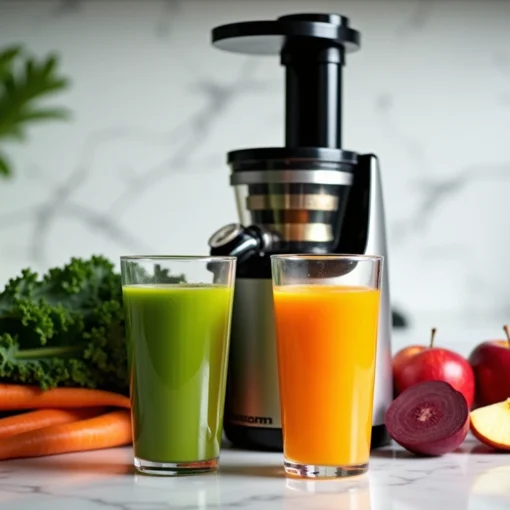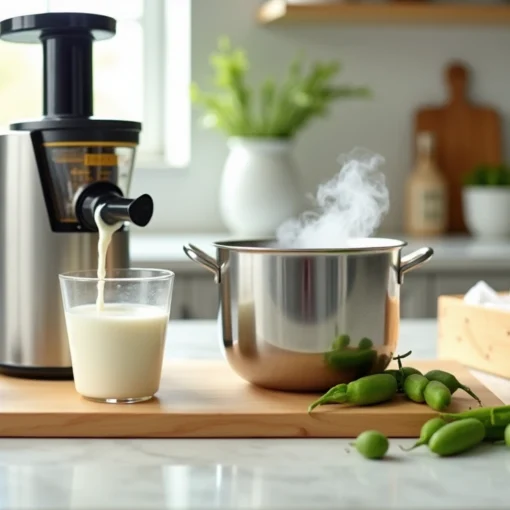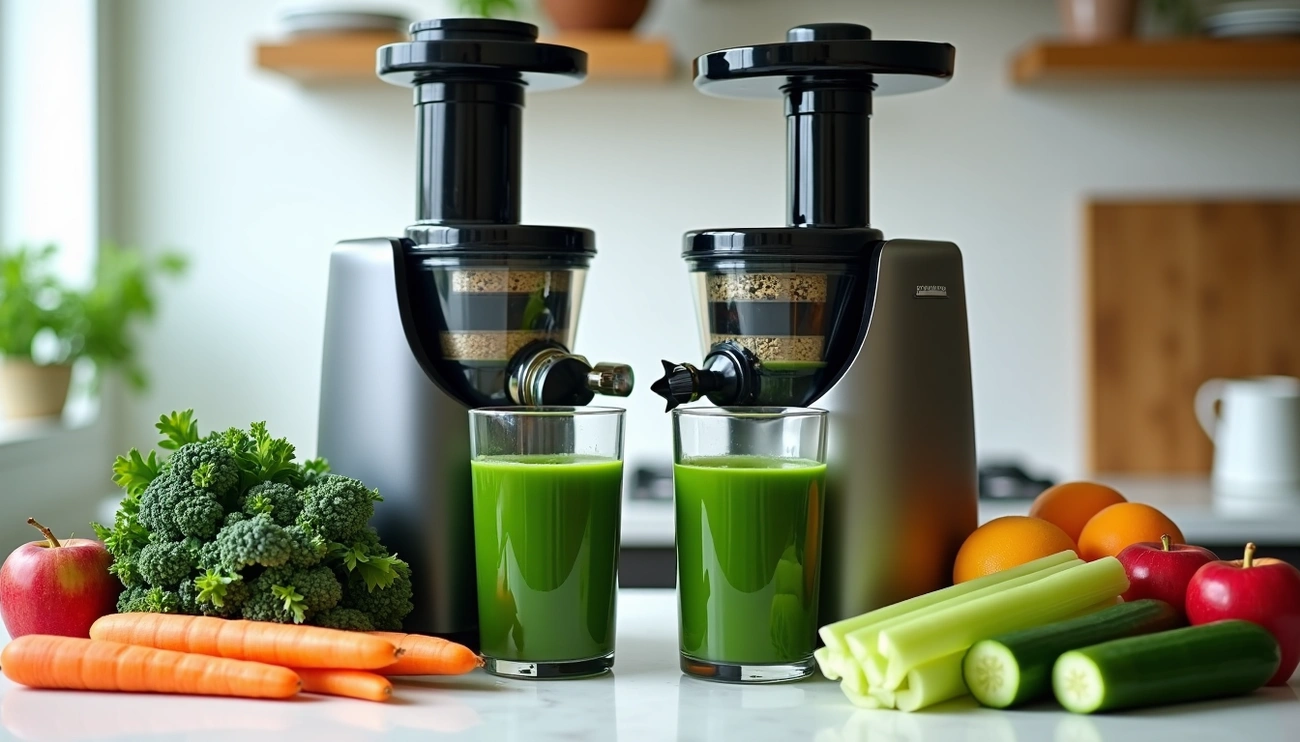
Yes, Hurom juicers are worth it for users who want high juice yield, low oxidation, and durable build quality. Hurom uses Slow Squeeze Technology at 43–60 RPM to preserve nutrients and improve taste. With over 50 years of manufacturing experience in South Korea, Hurom produces long-lasting premium slow juicers.
What makes Hurom juicers different
The fundamental difference between Hurom and standard juicers lies in their extraction technology. Understanding these differences helps determine is hurom juicer worth it for your specific needs.
Cold press vs centrifugal: what’s the real difference?
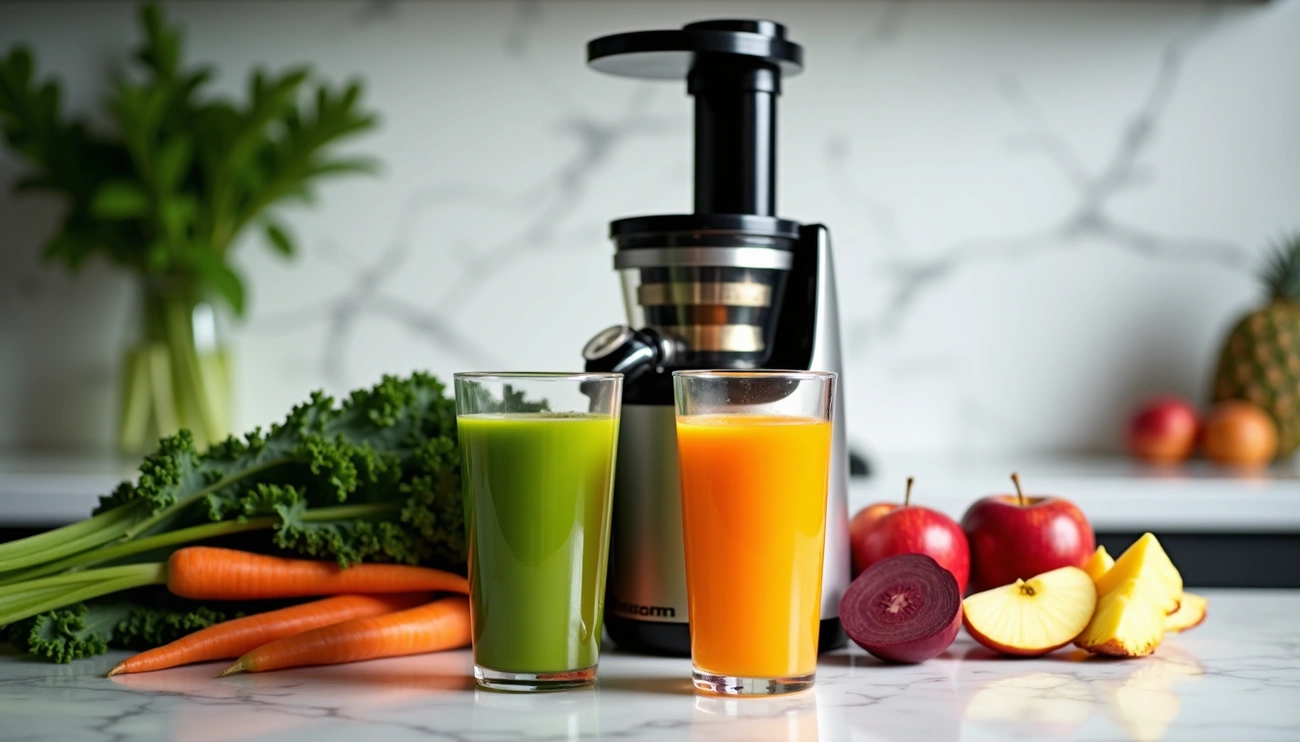
Hurom employs a slow squeezing technique that operates at just 43-90 RPM, compared to centrifugal juicers that spin at over 10,000 RPM. This slower approach generates minimal heat and oxidation, preserving more nutrients in your juice. Cold-pressed juice can stay fresh for up to 72 hours in the refrigerator, whereas centrifugal juice begins separating almost immediately.
The extraction method also affects yield. Hurom’s auger squeezes ingredients thoroughly, leaving bone-dry pulp and extracting maximum juice. In contrast, centrifugal juicers rely on fast-spinning blades that generate heat, potentially breaking down vitamins C and B. Furthermore, cold-pressed juice maintains a velvety texture with vibrant colors and fuller flavor, since the slow extraction doesn’t compromise the juice’s natural composition.
Self-feeding and easy-clean technology explained
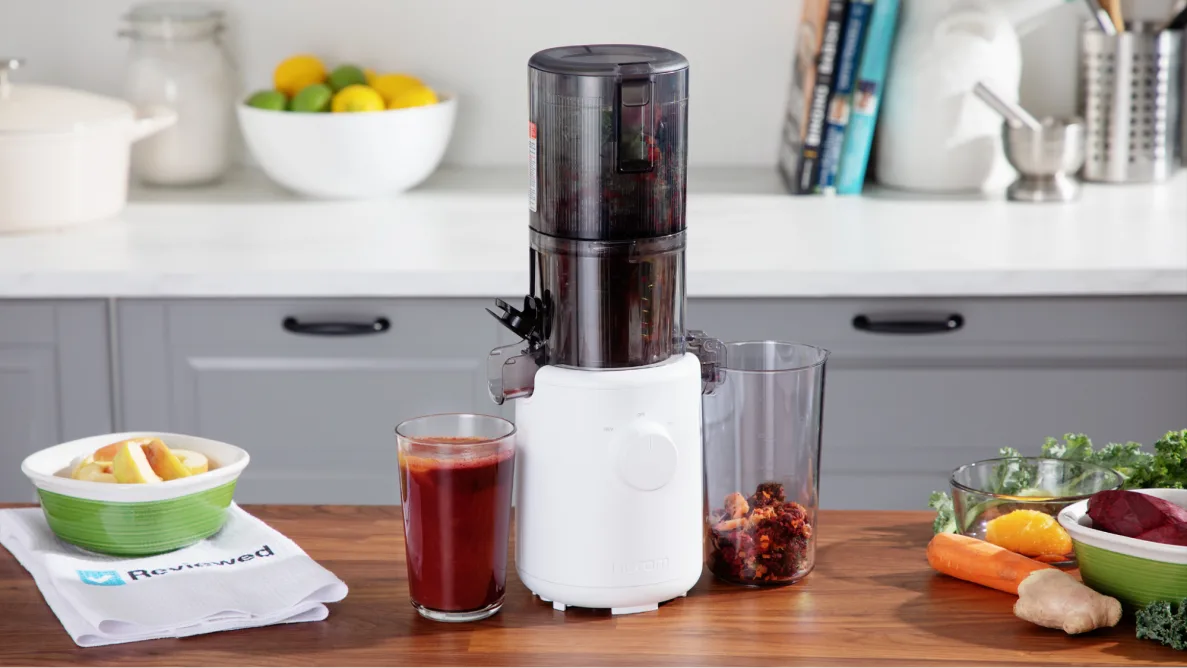
Hurom’s innovative self-feeding hopper represents a significant advancement in juicing convenience. Models like the H400 feature a self-feeding system with an automatic blade that chops and pushes ingredients down, eliminating the need to constantly monitor and push produce manually. The H200’s hopper is three times larger than average masticating juicers, accommodating whole apples without pre-cutting.
Perhaps most notably, newer models feature revolutionary easy-clean technology. Instead of traditional mesh strainers that collect mineral buildup requiring extensive scrubbing, Hurom developed a strainer-free chamber set with grooved strainers. The two-part auger meshes together to naturally filter out pulp as it juices—making cleanup possible in under a minute.
Design and build quality overview
Hurom juicers feature thoughtfully engineered designs with high-quality, durable materials. The motor operates quietly at just 150 watts, allowing for early morning juicing without disturbing others. All components are made from BPA-free materials, with no blades or sharp parts.
The Ultem strainer and auger in some models are eight times stronger than traditional plastics, ensuring longevity. Many units feature a tilted chamber design at an optimal angle so juice slides out without making a mess. Essentially, the sleek, modern esthetic combined with ergonomic features demonstrates Hurom’s commitment to both form and function.
The good: What users love about Hurom juicers
When researching is hurom juicer worth it, the standout features consistently praised by users deserve careful attention. After examining hundreds of hurom juicer reviews, I’ve identified five key benefits that make these premium machines worth considering.
Quiet operation and compact design
Hurom juicers operate at whisper-quiet levels ranging from 53-68 dB, depending on the model. The H310 runs at just 53 dB (whisper level), while the H400 operates around 60 dB (low conversation zone). This near-silent operation comes from efficient 150-watt AC motors that use significantly less power than conventional juicers. For apartment dwellers or early risers, this quietness proves invaluable.
Regarding size, the H310 stands out as Hurom’s most compact model—lightweight enough for travel and small enough to fit in tight spaces. Meanwhile, the H70 strikes an excellent balance between functionality and counter space.
High juice yield and dry pulp
Hurom’s patented slow squeeze technology truly maximizes extraction, leaving behind bone-dry pulp. The auger rotates at just 43 RPM, squeezing produce gently for maximum flavor and nutritional value. As one user noted, “It extracts nearly 100% of the juice from everything we have tried so far”.
Easy to clean and assemble
The Easy Clean series represents a genuine breakthrough. Models like the H400 feature a two-part auger design that eliminates the traditional mesh strainer—the component requiring the most scrubbing. Consequently, cleaning takes under a minute—simply rinse the parts under running water. With fewer parts than other premium juicers, assembly remains straightforward.
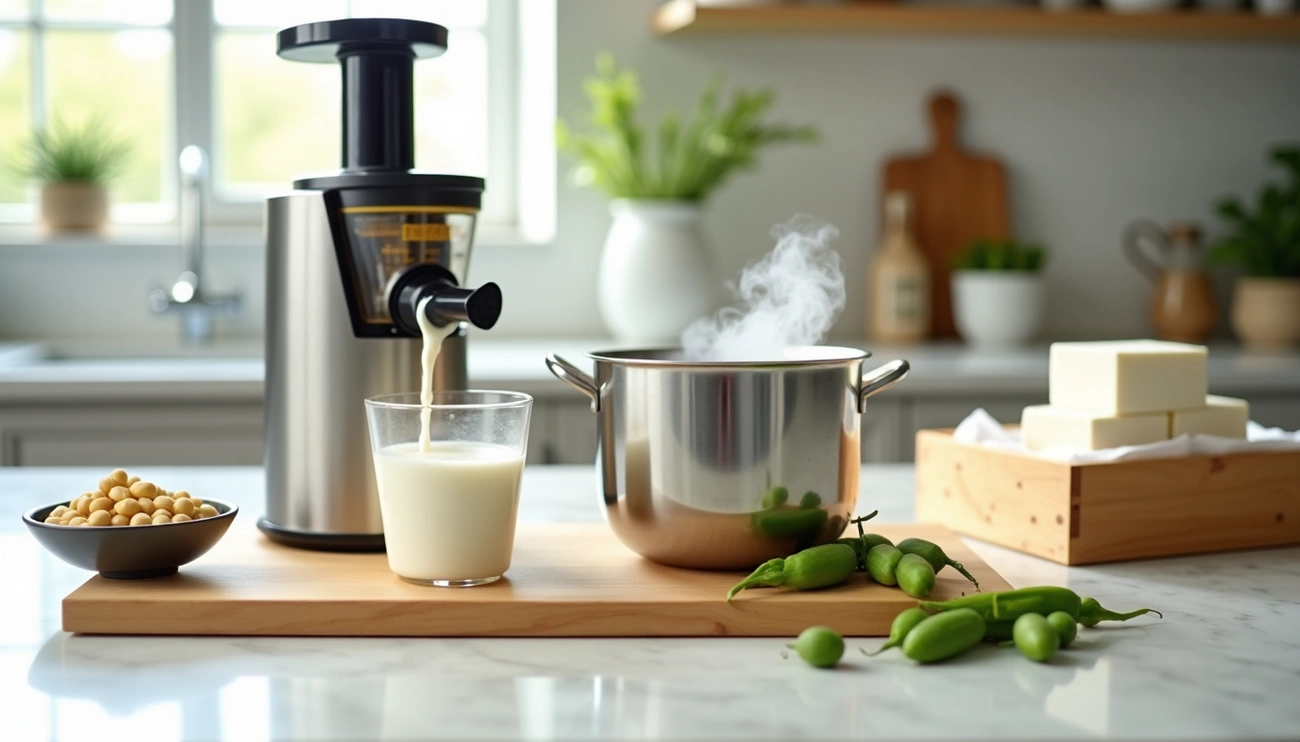
Versatility: from nut milk to sorbets
Beyond juice, Hurom machines excel at creating:
- Creamy nut milk without manual straining
- Fruit sorbets directly from frozen ingredients
- Baby food in minutes without additives
Many models don’t even require special attachments for these additional functions.
Durability and long-term performance
Hurom juicers feature high-quality materials throughout. The Ultem auger is eight times stronger than traditional plastics. This durability backs up their exceptional warranty—models like the H400 come with 15-year motor coverage.
The bad: Common complaints and limitations
Despite the impressive benefits of Hurom juicers, there are several drawbacks worth considering before making your purchase decision.
Price point and value for money
When asking is hurom juicer worth it, you must first consider the considerable investment required. Hurom juicers come with a premium price tag that might give budget-conscious shoppers pause. Although many users argue the quality justifies the cost, this remains a significant barrier for many potential buyers. The value proposition depends primarily on how frequently you plan to juice—occasional users may struggle to justify the expense, whereas daily juicers often find the investment pays off through durability and performance.
Prep time and ingredient size
One recurring theme in hurom juicer reviews involves preparation requirements. Fruits and vegetables need to be chopped into smaller, 5 cm pieces to optimize yield and prevent clogging. For vegetables like celery—notoriously tricky to juice—pieces must be cut to 3-4cm lengths to avoid jamming. This preparation necessity adds extra time to your juicing routine, especially compared to some centrifugal models with wider feed chutes.
Juice texture and pulp residue
Although Hurom offers pulp control features on some models, many users note that juice remains somewhat pulpy. As one user mentioned, “My Hurom 310A has ok juice (I don’t mind it’s a bit pulpy)”. Furthermore, certain ingredients produce surprisingly wet pulp—particularly leafy greens like spinach and kale. This indicates less efficient extraction for these specific ingredients, contradicting some marketing claims about maximum yield.
Not ideal for large families
Hurom juicers work wonderfully for individuals or couples yet fall short for larger households. Most models are “perfect for making juices for 1-2 people” but not recommended for families. The preparation requirements mentioned earlier become especially problematic when making larger quantities. Additionally, the storage footprint presents challenges—”The two catch basins do not fit together making it a more difficult storage problem”.
Surprising facts you might not know
Beyond the standard features and limitations, Hurom juicers offer several unexpected benefits worth highlighting in any thorough hurom juicer review.
You can use the pulp in creative recipes
First and foremost, that “waste” pulp is actually a culinary gold mine. Rather than discarding it, you can transform pulp into delicious:
- Fruit leather using the concentrated flavors and natural sugars
- Vegetable crackers with flax and chia seeds
- Moisture-rich bread and cupcakes with subtle sweetness
- Natural thickening agent for soups and sauces
The fiber-rich pulp even works wonderfully in smoothies, energy bars, and homemade dog food.
Some models don’t use mesh filters at all
Interestingly, newer Hurom models like the H400, H70, and H310 feature an innovative two-part auger/strainer combo that eliminates the traditional mesh screen entirely. This revolutionary design makes cleanup remarkably simple—just rinse the parts under water without scrubbing.
Juicing leafy greens is more efficient than expected
In fact, Hurom’s slow squeeze technology excels with leafy greens, extracting significantly more juice than centrifugal machines. Green juices made with Hurom retain their nutritional profile because the slow pressing process (operating at just 43-60 RPM) minimizes heat and oxidation.
Hurom juicers can help improve gut health
Most importantly, Hurom juicers create juice with beneficial prebiotic properties. Greens like arugula, dandelion, and spinach provide nutrients that nourish gut bacteria. The fiber content preserved in the juice further supports digestive health—making a hurom slow juicer review particularly relevant for those focused on gut wellness.
Conclusion
After thoroughly examining the Hurom juicer’s features, benefits, and limitations, we can finally answer the burning question: is a Hurom juicer worth it? The answer ultimately depends on your specific needs and lifestyle.
Hurom juicers stand apart from standard centrifugal models through their patented slow squeeze technology. This gentle approach preserves nutrients while maximizing yield, creating juice that stays fresh for up to 72 hours. Additionally, the whisper-quiet operation makes these machines perfect for early morning use without disturbing your household.
Nevertheless, several factors merit consideration before making your purchase. First, the premium price tag represents a significant investment compared to conventional juicers. Second, the preparation time required might deter those seeking quick results. Though newer models feature innovative self-feeding technology, most still require chopping ingredients into smaller pieces.