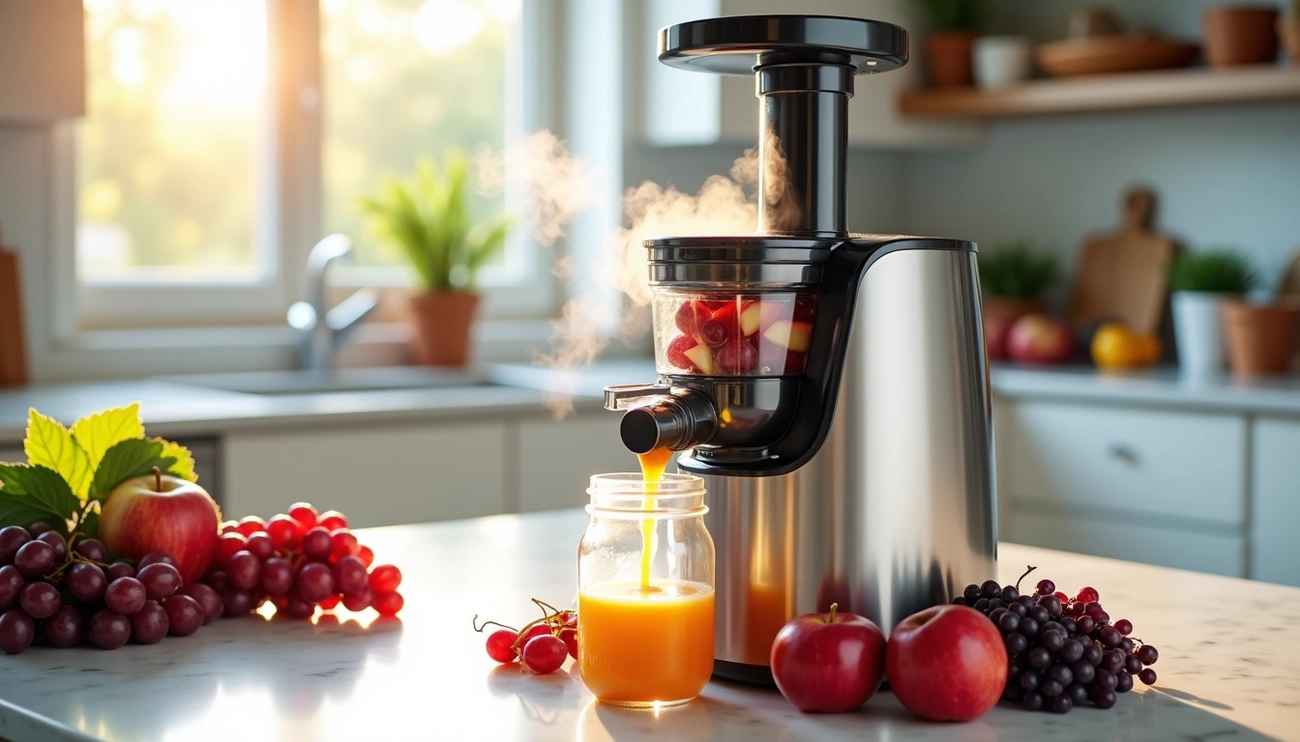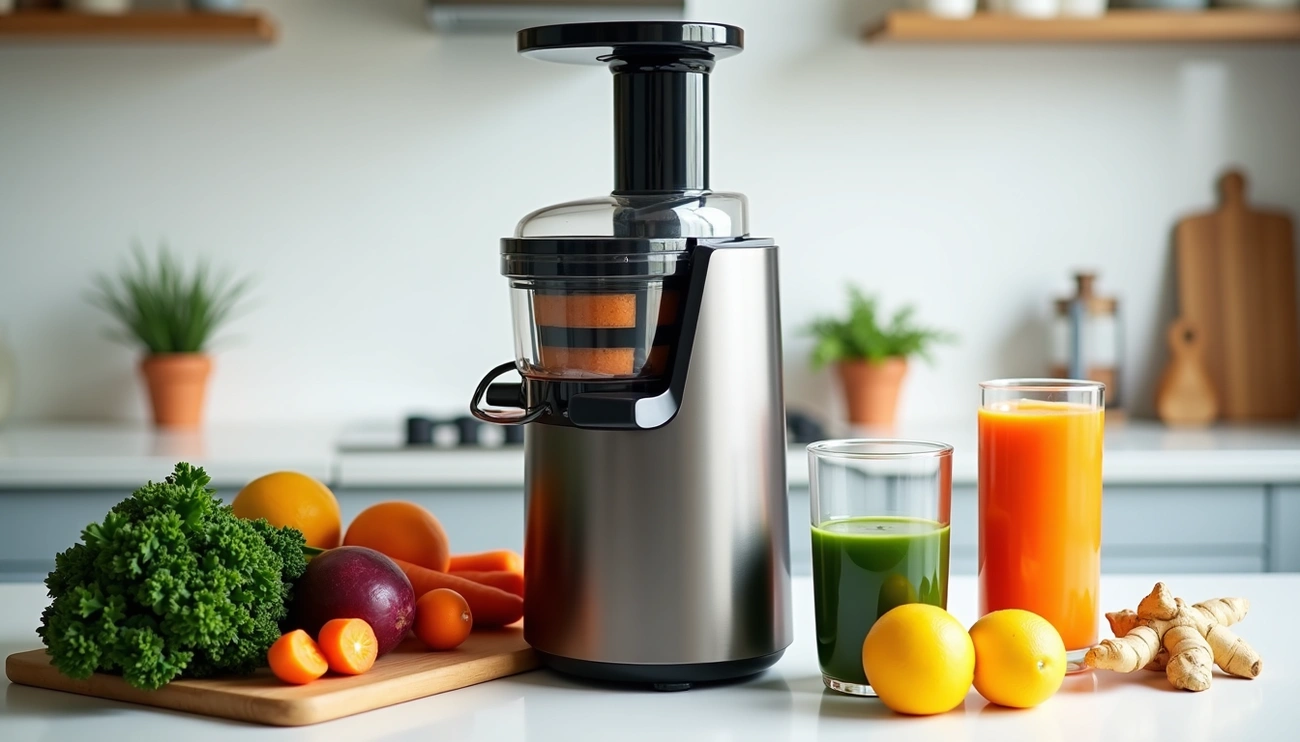
Yes, Kuvings juicers are worth it for regular users who want high-quality, cold-pressed juice with minimal pulp. Models like the AUTO10 include a wide, 3-inch self-feeding hopper that reduces prep time and increases yield. Although priced between $400 and $700, they deliver superior juice extraction, smoothies, and nut milk versatility.
What makes Kuvings juicers different?
Kuvings stands apart in the juicer market through innovative design elements that address common juicing frustrations. Unlike standard juicers that require constant attention, Kuvings has pioneered features that make the juicing process more efficient and user-friendly.
Hands-free operation and large hopper
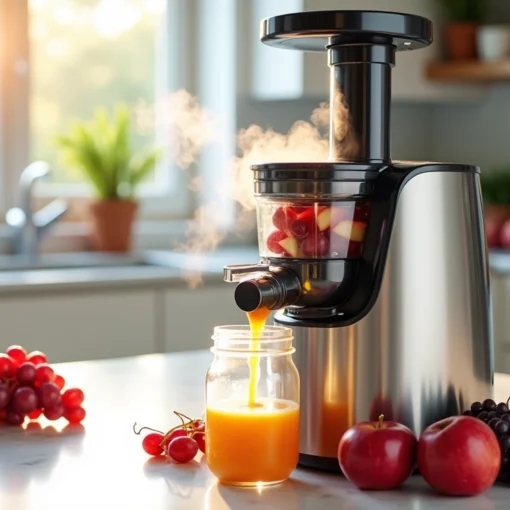
The defining feature of Kuvings’ premium models is truly hands-free operation. Instead of continuously feeding ingredients, you can load everything at once and let the juicer do the work. The AUTO10 Plus model features an attachable hopper extension that creates the largest juicer hopper on the market with a maximum capacity of 135 oz. This expansive loading space transforms the juicing experience, especially for batch preparation.
What makes this design particularly valuable is the auto-cutting mechanism. The spacious hopper accommodates whole ingredients—even long items like carrots and cucumbers—without requiring pre-cutting. Operating at just 61 decibels, the machine works quietly in the background while you handle other kitchen tasks.
Consider this practical benefit: with traditional juicers, you’re tethered to the machine throughout the entire process. Conversely, Kuvings’ hands-free design gives you the freedom to multitask, making daily juicing realistic rather than aspirational.
Slow masticating technology explained
The heart of Kuvings’ effectiveness lies in its slow masticating approach. Unlike high-speed centrifugal juicers that spin at thousands of RPM, Kuvings juicers operate at a leisurely 50-60 RPM. This methodical pace mirrors the natural chewing process, gently squeezing produce rather than shredding it.
This gentle extraction method offers significant advantages:
- Nutrient preservation: The slow cold-press technology doesn’t generate excess heat or introduce air, which would otherwise oxidize and degrade nutrients.
- Superior yield: The thorough extraction process leaves behind remarkably dry pulp—a visible sign of efficient juicing.
- Enhanced flavor: The slow process preserves natural flavors, resulting in what reviewers describe as “luxurious juices that had the brightest flavors”.
Powering this process is a commercial-grade 240W motor capable of continuous operation for up to 45 minutes—ideal for processing large batches of produce without overheating or straining.
Build quality and design features
Examining Kuvings juicers reveals thoughtful engineering throughout. The durable stainless steel blade effectively chops hard and whole ingredients, whereas the Auto-Cut Chute automatically processes long, fibrous ingredients like celery and carrots that typically challenge juicers.
Many models feature specialized feed chutes optimized for different ingredient types. For instance, the REVO830 includes two feed chutes: a 3.5-inch flip gate for whole fruits and a separate Auto-Cut Chute specifically designed for narrow vegetables. This design flexibility maximizes juicing efficiency across diverse ingredients.
Safety hasn’t been overlooked. Built-in sensors ensure the machine operates only when properly assembled, preventing accidents and improper use. The construction primarily uses BPA-free materials, addressing health concerns about plastic components.
The attention to durability extends to every component. Users consistently note the solid construction and absence of flimsy parts, explaining why Kuvings confidently offers a 15-year warranty on select models—a testament to their expected longevity.
How well does it juice different ingredients?
Testing a juicer’s performance across different ingredients reveals its true value. Kuvings juicers handle a remarkable variety of produce, moreover, the results differ depending on what you’re processing.
Leafy greens and herbs
Leafy greens present a challenge for most juicers, primarily because they contain less water than other ingredients. When using a Kuvings slow juicer, one and a half bundles of spinach yields approximately one cup of juice. This might seem modest, yet it’s significantly higher than what high-speed juicers typically extract.
For optimal results with leafy greens, preparation matters:
- Tender greens (spinach, arugula, parsley, cilantro, dandelion, watercress) should be chopped to prevent tangling, though baby spinach can be used whole
- Firm greens (kale, collard greens, mustard greens, chard, cabbage, lettuce) need rough chopping to fit the juicer
- Wheatgrass works best when cut into 1-inch pieces
The foam you’ll notice when juicing greens is completely normal—it occurs because these ingredients are high in fiber. Since Kuvings operates at low speeds, it introduces less oxygen during the process, resulting in less foam than high-speed alternatives.
Hard vegetables like carrots and beets
The true test of any premium juicer comes when processing dense root vegetables. Kuvings excels here with its powerful 240W motor and specialized design features. The Auto-Cut Chute’s narrow opening feeds ingredients like carrots directly to the screw, eliminating clogging risks.
Even whole beets—approximately billiard-ball sized—process smoothly through models like the AUTO10+. The stainless steel blade in newer models effectively chops hard ingredients, producing dry pulp that indicates excellent extraction.
Notable in testing is the juicer’s quiet operation—maintaining approximately 61 decibels even when processing tough ingredients like whole beets. This makes early morning juicing feasible without disturbing others in your household.
Citrus fruits and soft produce
Kuvings handles soft fruits efficiently thanks to its gentle masticating process. The juicer processes a wide variety of fruits including apples, pineapples, watermelon, oranges, and pomegranates.
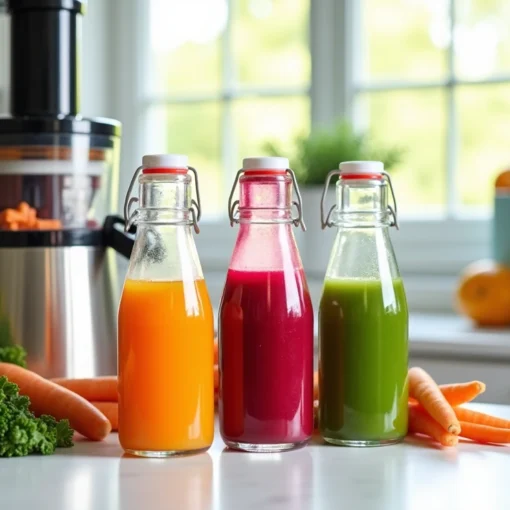
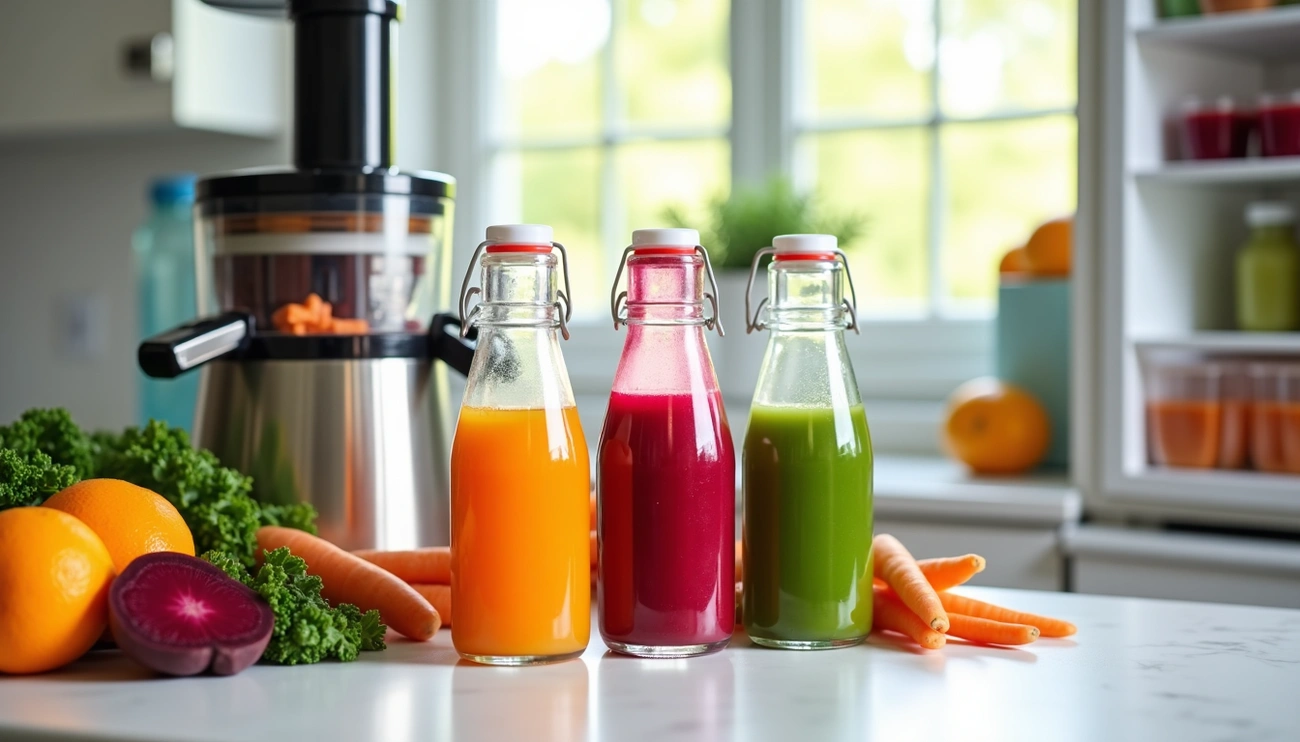
When testing an orange, carrot, and turmeric juice combination, the Kuvings produced vibrant juice with balanced flavor and no pulp or fiber. The efficient extraction system yields high volumes of juice from water-rich fruits without heating the liquid—preserving both nutrients and flavor.
For mixed juice recipes, combining water-rich ingredients with leafy greens improves overall yield and creates better-tasting juice with less foam. This versatility makes Kuvings particularly valuable for creative juice combinations.
Ginger shots and wellness blends
Ginger and turmeric—notoriously difficult to juice due to their fibrous nature—process remarkably well in Kuvings juicers. The key technique: cutting ginger into 1-2 inch pieces along the direction of the fibers in its peel, which prevents clogging.
In practical testing, the AUTO10 S processed fibrous ginger without issues, creating silky-smooth, potent shots with no stringy bits. One batch juicing session yielded 30 ginger shots—considerably more cost-effective than store-bought alternatives.
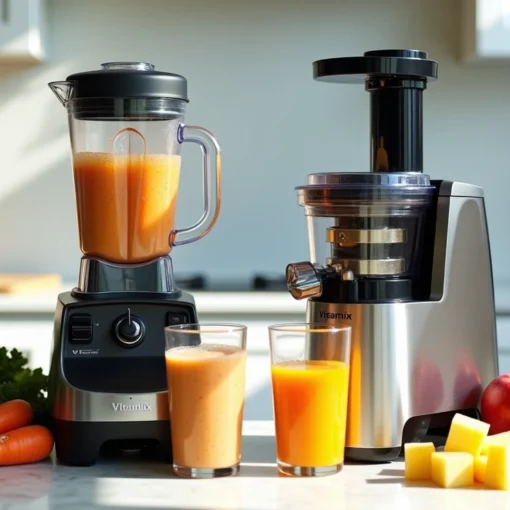
Beyond single-ingredient wellness shots, Kuvings efficiently handles combination blends. The cold press technology preserves enzymes and nutrients in these therapeutic juices, offering faster absorption since there are no solids interfering with nutrient uptake. This method thoroughly crushes plant cells, ensuring green juices contain more polyphenols, flavonoids, and protease enzymes than comparable smoothies.
Throughout testing across ingredient types, the consistent performance confirms that Kuvings juicers deliver on their premium promise, extracting maximum nutrition from virtually any produce you can imagine.
Beyond juicing: What else can it do?
Versatility adds significant value to any kitchen appliance investment, and Kuvings juicers excel far beyond simple juice extraction. With additional attachments and features, these machines transform into multi-functional appliances that expand your culinary possibilities.
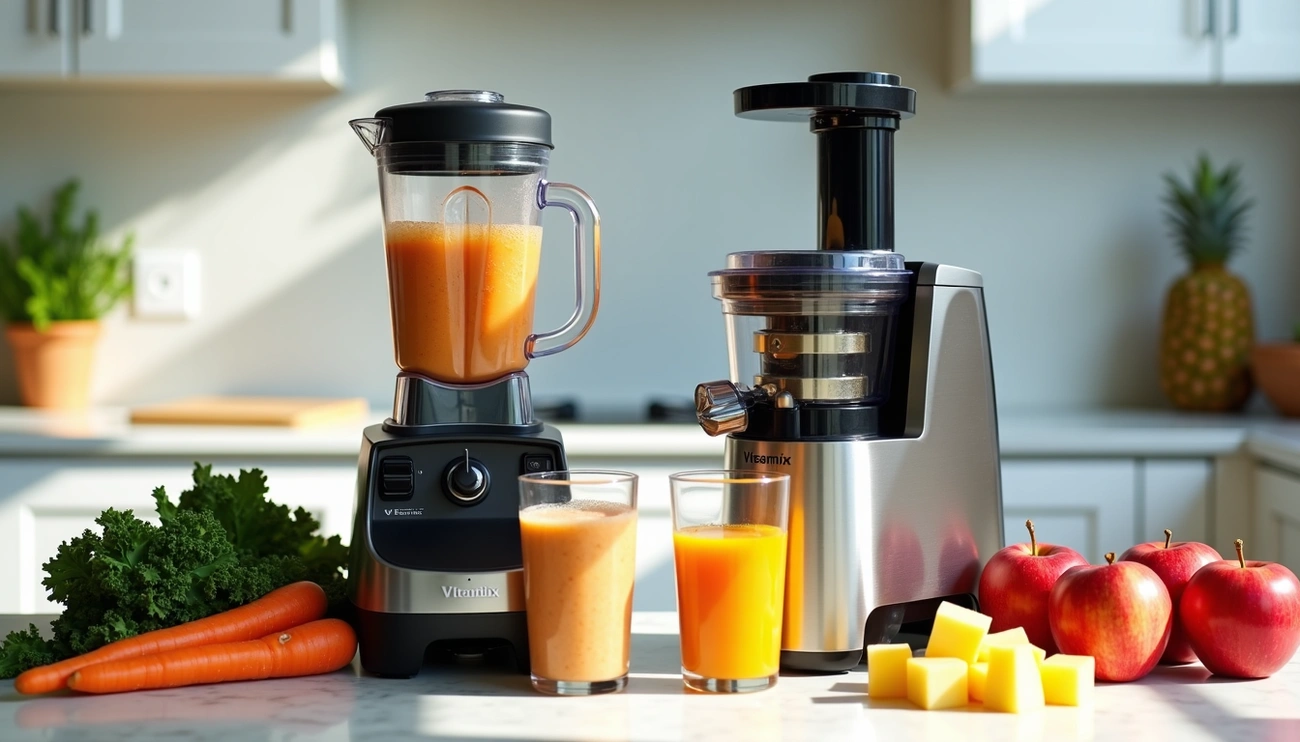
Making smoothies with the smoothie strainer
The dedicated smoothie strainer looks similar to the juicing strainer but functions quite differently. It features larger holes along the sides and more holes on the bottom, allowing thicker consistency than juice. Additionally, a rubber plug blocks the hole where pulp would normally exit, ensuring all ingredients get thoroughly mixed.
For optimal smoothie results:
- Add at least 1 cup of liquid first to ensure consistent blending
- Insert small portions of ingredients gradually
- Start with soft ingredients before adding harder ones
- Allow frozen ingredients to thaw for about 10 minutes before processing
The bowl that mixes ingredients has a 400ml capacity, yielding approximately two cups of smoothie per session. This attachment works with all Kuvings vertical slow juicers, making it easy to expand your machine’s capabilities.
Creating sorbets from frozen fruits
Transform frozen fruits into creamy, dairy-free sorbets without added sugar or preservatives. The sorbet attachment comes included with several models like the EVO820, Auto 10, Auto 10 Plus, and REVO 830.
For best results, allow frozen fruits to slightly thaw for about 5 minutes before processing. Naturally sweet varieties like Honey or Ataulfo mangoes work exceptionally well. Furthermore, adding a splash of homemade juice can enhance flavor and create an even smoother texture.
Homemade plant-based milks
Kuvings excels at creating silky plant-based milks from nuts, seeds, and grains. The machine can process almonds, cashews, hazelnuts, oats, hemp seeds, soy, coconut, and even pumpkin seeds.
For basic nut milk preparation:
- Soak raw nuts (like cashews) for at least 8 hours
- Close the juicer’s smart cap
- Add small portions of nuts alternated with equal amounts of water
- Open the smart cap to release the finished milk
The resulting milk lasts approximately three days refrigerated and can be used in coffee, cereal, or cooking applications just like dairy milk.
Using leftover pulp in recipes
Instead of discarding pulp, repurpose this fiber-rich byproduct. Juice pulp contains valuable insoluble fiber that adds bulk to your diet. Store pulp in the freezer until you’re ready to use it.
Creative ways to use pulp include:
- Baked goods like muffins, bread, brownies and cookies
- Crackers, dips, and vegan cheese alternatives
- Veggie burgers and fritters
- Soups, sauces, and seasonings
- Nutritional boosters in smoothies
Even pulp that seems too fibrous for consumption makes excellent compost. This zero-waste approach maximizes the value from every ingredient while adding fiber and nutrients to your diet.
All these capabilities ultimately strengthen the case for investing in a Kuvings juicer, as it essentially provides multiple appliances in one sleek package.
Is it easy to clean and maintain?
Cleaning often ranks as a top concern for juicer owners, yet Kuvings has simplified this potentially tedious task. The maintenance process proves surprisingly straightforward, even for first-time users.
Cleaning tools and process
Every Kuvings juicer includes specialized cleaning accessories designed specifically for their components. A patented green rotary brush tackles the stainless steel strainer—typically the most challenging part to clean. This innovative tool allows you to insert the filter and rotate it clockwise and counterclockwise under running water, effectively removing pulp from even the tiniest holes.
The cleaning process focuses on five main components: the hopper, strainer, wiper, auger (screw), and juicing bowl. For stubborn residue, Kuvings provides a tip cleaning brush that reaches areas the rotary tool might miss. The entire cleaning routine takes approximately 5-10 minutes from start to finish.
Tips for faster cleanup
Immediate cleaning makes all the difference. Wash components right after juicing to prevent pulp from hardening and becoming difficult to remove. Beyond this, try these practical approaches:
- Use water pressure from your faucet to help dislodge stubborn pulp
- Clean with soap to prevent buildup on components
- Utilize the opening pulp outlet feature for easier access to trapped residue
- For a quick pre-rinse, run water through the assembled juicer first—this helps flush out remaining pulp
Nonetheless, remember that Kuvings parts require hand-washing exclusively, as dishwashers may damage the components.
Storage considerations
Once cleaned, simply air-dry the components completely. Proper drying prevents moisture buildup that could lead to mold or bacterial growth. Many Kuvings owners praise the design for making cleanup manageable, with one verified buyer noting: “Love love love my juicer. Don’t spend much time prepping and clean up is so easy”.
Indeed, for many potential buyers wondering “is kuvings juicer worth it,” the streamlined maintenance experience often proves to be a deciding factor in their purchasing decision.
What do real users say?
Real-world experiences often tell a more complete story about whether a premium juicer justifies its price tag. Let’s explore what actual Kuvings owners have to say about their purchases.
Kuvings juicer reviews from customers
Customer satisfaction remains consistently high across Kuvings models. On Best Buy’s website, the Kuvings Whole Slow Juicer averages 4.7 out of 5 stars. According to verified purchasers, many consider it “worth every penny” despite the premium price point. Notably, 94% of users would recommend their Kuvings juicer to friends.
Common praises and complaints
Users primarily praise Kuvings juicers for:
- Juice quality – “The juice with this juicer tastes amazing even after three days in the fridge”
- Efficient extraction – “When it disposes the fruit, it’s very dry. All your juice from the vegetables/fruit doesn’t go to waste”
- Ease of cleaning – “It takes less than five minutes to clean your juicer”
- Quiet operation – “Compared to other juicers I’ve used, Kuvings runs quietly”
The most frequent complaints include:
- Counter space requirements – “This juicer takes up serious counter space”
- Cleaning time – “Some parts need a bit of extra scrubbing, especially the strainer”
- Performance with certain ingredients – “Not ideal for leafy greens alone… But when I mix them with cucumber or celery, it works better”
How it compares to other juicers
When comparing Kuvings to competitors like Nama, users generally note that Kuvings delivers “high yield, slightly wetter pulp”. The Auto10 excels at batch processing with its oversized hopper, making it “better for larger batches”. In contrast, competitors might offer advantages for daily convenience or smaller kitchens.
Ultimately, users who have owned multiple juicers frequently comment: “I wish I had discovered and purchased this one before all the other juicers I’ve tried”.
Conclusion
After examining Kuvings juicers from every angle, the question “is a Kuvings juicer worth it?” deserves a nuanced answer. Undoubtedly, these machines represent a significant investment, yet they deliver exceptional value through innovative features not found in standard juicers.
The hands-free operation with industry-leading hopper capacity transforms daily juicing from a time-consuming chore into an effortless habit. Meanwhile, the slow masticating technology extracts maximum nutrition with minimal oxidation, preserving both nutrients and flavors that cheaper juicers simply cannot match.
Most compelling evidence of Kuvings’ worth comes from its versatility. Beyond creating premium juices, these machines function as smoothie makers, sorbet creators, and plant-based milk producers—essentially offering four appliances in one sleek package. This multifunctionality significantly enhances their value proposition.