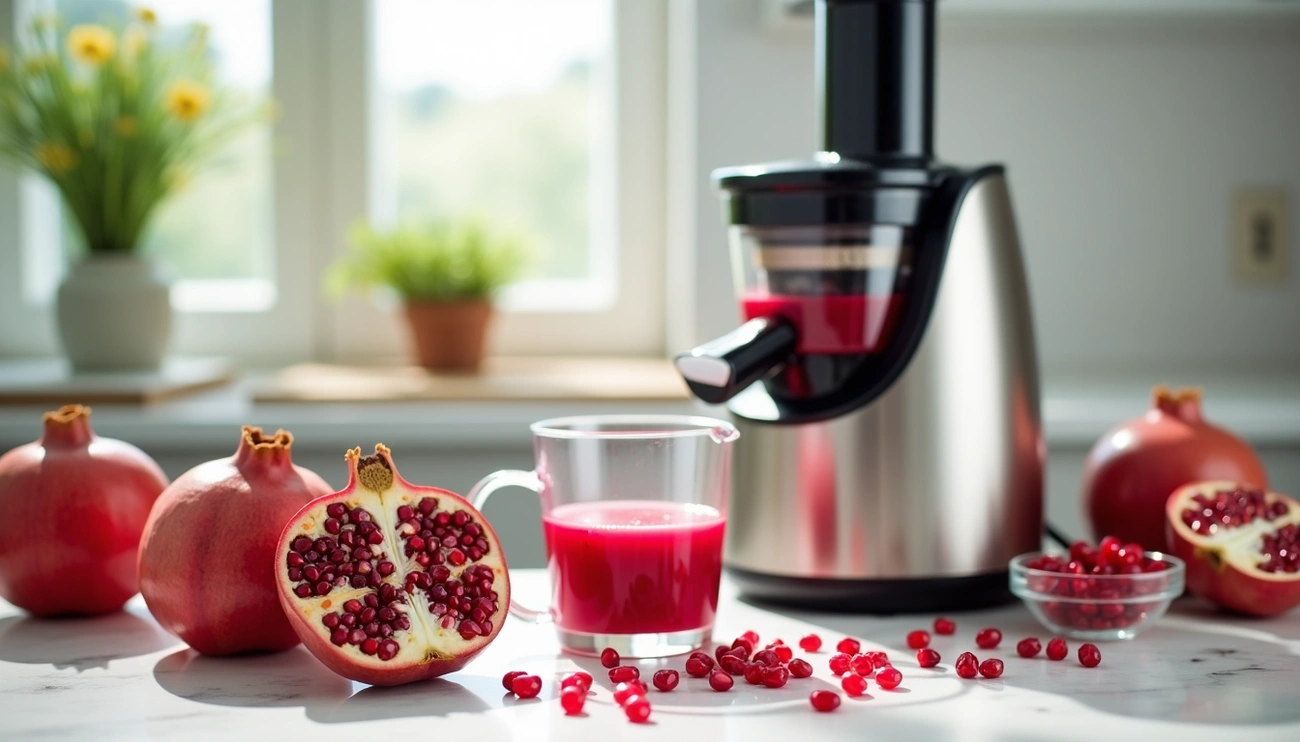
Yes, you can put pomegranate seeds in a juicer. Masticating juicers and powerful centrifugal juicers handle them best. Pomegranate arils can clog standard juicers due to tough skins and oil, so juice slowly in small batches. Expect to pause for clearing or consider hand or processor methods.
Can you put pomegranate seeds in a juicer?
Yes, you absolutely can put pomegranate seeds in a juicer! The juice-filled sacs (arils) that surround the actual seeds are perfect for extracting delicious, nutrient-rich juice. The juicing method you choose, nevertheless, will impact the final product in several ways.
What happens when you juice the seeds
When pomegranate seeds go through a juicer, the machine breaks open the juicy sacs surrounding the hard inner seeds. This process extracts the liquid while separating it from the solids. Furthermore, the yield varies depending on your approach – juicing whole fruits produces significantly higher yields (69-72%) compared to juicing just the seeds.
Using a high-powered juicer makes quick work of pomegranate seeds, as seen in commercial settings where the seeds are poured into the juicer’s funnel and slowly pushed through. During extraction, some juicers might crush the hard inner seed, while others primarily extract from the surrounding juice sacs.
Four large pomegranates typically yield approximately three cups of fresh juice. Initially, this might seem like a small amount, but the concentrated nature of pomegranate juice makes it worthwhile.
Is it safe to juice the whole arils?
Indeed, it’s completely safe to juice the whole arils, including the crunchy inner seeds. In reality, those seeds contain valuable nutrients themselves. The seeds comprise about half of the pomegranate’s weight and contain healthy fiber (17-28% according to one study).
The seeds also contain punicic acid, a polyunsaturated fat that may reduce inflammation and improve insulin sensitivity based on animal studies. While excessive intake might cause intestinal blockage in rare cases (particularly for those with chronic constipation), moderate consumption poses no risks for most people.
Does it affect the taste or texture?
The juicing method significantly affects both taste and nutritional content. Juice extracted from whole fruits contains more tannins and higher levels of citric acid (21.21 g/L), consequently creating a more astringent flavor profile with greater bitterness.
In contrast, juice obtained from seeds alone tends to be less astringent and has less “red wine” flavor. Consumer tests have shown that juice from whole fruits was significantly less preferred compared to juice from seeds only. The seed-only juice generally tastes sweeter and has more “sweet overall” flavor notes.
Regarding texture, pomegranate juice from seeds alone tends to be clearer after straining, whereas whole fruit juice might require additional filtering to achieve the same clarity. Both methods produce vibrant red juice, with whole fruit juicing maintaining excellent red color (hue angle values of 5.95-6.45°).
4 ways to juice pomegranate seeds at home
Ready to extract that ruby-red goodness from pomegranates? I’ve tried several techniques for getting juice from these antioxidant powerhouses and found four effective methods that work right in your kitchen.
1. Using an electric juicer
Electric juicers offer quick results but come with limitations. First, seed your pomegranate completely before adding the arils to the juicer. Pour them slowly into the funnel, allowing the machine to process each portion before adding more. Yet be warned – the filter can clog easily when processing large quantities. The Jack LaLane Power Juicer, for instance, works initially but requires frequent cleaning as the filter gets clogged. For best results, occasionally check the filter and clean as needed to maintain juice flow.
2. Using a Ziploc bag and strainer
This budget-friendly method requires minimal equipment. Place about half a cup of pomegranate arils in a gallon-sized Ziploc bag and seal it tightly. Lay the bag on a flat surface and use a rolling pin to gently crush the seeds. Roll or lightly bang the bag to release the juice. Once the seeds are crushed, cut a small hole in one corner of the bag and drain the juice into a container. For maximum extraction, press the remaining seeds through a small strainer using the back of a spoon.
3. Using a citrus press
Remarkably, a citrus juicer works excellently for pomegranates! Simply cut the pomegranate in half and press it like you would with an orange or grapefruit. For larger fruits, quarter them before juicing. Both manual and electric citrus juicers work effectively, though manual presses with good leverage typically extract more juice. One caveat – this method can create splatter, so protect your clothing and surroundings from staining. Afterward, strain the juice if you want to remove any remaining pulp.
4. Using a spiral or masticating juicer
For serious pomegranate lovers, masticating juicers (also called slow juicers) provide the best results. These machines use a rotating auger that crushes and presses produce through a filter. Unlike centrifugal juicers that spin at 10,000+ RPM, masticating juicers operate at slower speeds (around 46 RPM). This slower process extracts more juice and preserves nutrients better. Though pricier (around $140-250), they’re worth considering if you juice pomegranates regularly. The key advantage? No clogging issues even with large batches.
Pros and cons of each juicing method
Each pomegranate juicing technique offers distinct advantages and limitations worth considering before you invest time and equipment in your kitchen adventures.
Juice yield and quality
Masticating juicers extract up to 30% more juice than centrifugal models, making them notably efficient for pomegranate arils. Surprisingly, the method affects more than just quantity—it influences nutritional content too. Juice from a blender contains higher phenolic concentration (3.04 g/L) versus other methods, potentially offering greater antioxidant benefits. Alternatively, juice extracted by arils-only methods tastes sweeter with less bitterness than whole-fruit extraction techniques.
Ease of use and cleanup
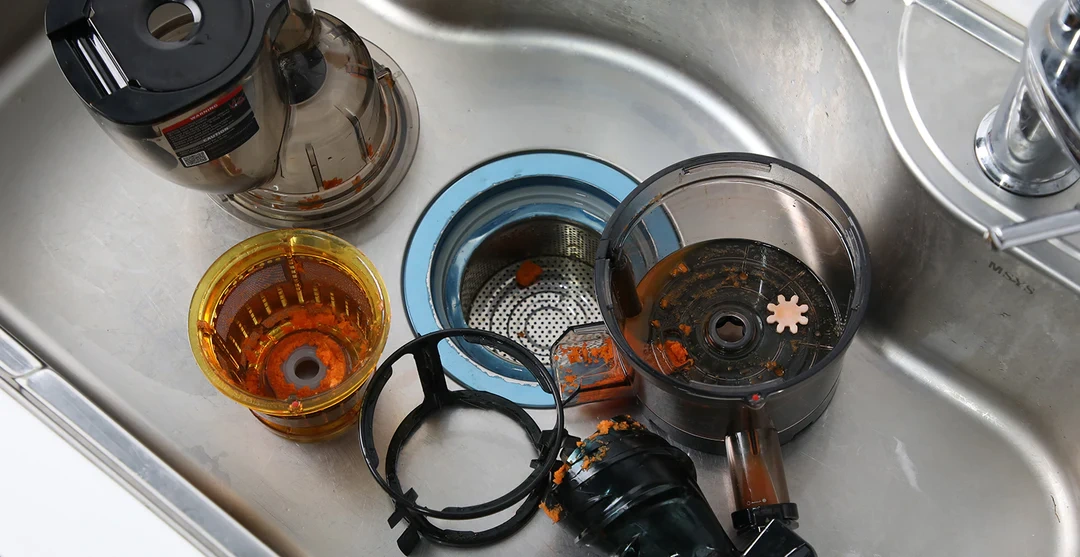
Manual methods require minimal setup yet demand more physical effort. Electric juicers work faster but frequently clog with pomegranate seeds. Following use, centrifugal juicers present cleaning challenges due to their fine mesh filters. Alternatively, masticating juicers process seeds without clogging, simplifying cleanup despite having more components. The Ziploc method, although straightforward, creates multiple items to wash including bags, strainers, and utensils.
Cost and equipment needed
Manual presses range from $30-$80, representing the most budget-friendly option. Cold-press masticating juicers cost $150-$400 but justify their price through higher yields and versatility. Commercial hydraulic presses exceed $1000, suitable primarily for businesses. Henceforth, your investment should align with how frequently you’ll juice pomegranates—occasional users might prefer simpler methods.
Best method for large batches
For processing multiple pomegranates, spiral juicers excel without clogging issues. Commercial settings use specialized equipment that processes up to 30 pomegranates per minute. Home juicing seven pomegranates costs approximately $0.28 per ounce versus $0.15 for store-bought juice, yet offers fresher flavor plus complete control over ingredients.
Tips for better results when juicing pomegranates
Proper preparation makes all the difference when extracting juice from pomegranates. These ruby-red fruits yield their precious liquid more generously with the right techniques.
How to prepare the seeds
The water method is remarkably effective for removing seeds cleanly. Cut your pomegranate in half, then submerge it in a bowl of water. Gently tap the back with a wooden spoon. The seeds sink while the white pith floats. This technique prevents staining and makes seed extraction virtually mess-free. Moreover, freezing arils before juicing yields better extraction.
Avoiding bitterness from the pith
Bitterness primarily comes from the white membranes. After separating seeds underwater, carefully skim off all floating membranes. Essentially, any process that includes pith or breaks the hard inner seeds will create more astringent juice. For optimal sweetness, focus on extracting juice from the arils only, avoiding seed crushing.
How to strain juice for clarity
For basic clarification, strain through a colander first, pressing to extract maximum juice. Subsequently, pass through a fine mesh strainer for clearer results. For jelly-quality clarity, filter again through a cheesecloth-lined strainer. Adding ¼ teaspoon of ascorbic acid per quart helps preserve color.
How to juice pomegranate seeds in a juicer without clogging
Feed seeds gradually rather than all at once. This steady pace reduces strain on your machine while ensuring thorough processing. Check filters periodically during juicing of large quantities. With masticating juicers specifically, this precaution becomes less necessary.
Conclusion
Juicing pomegranate seeds at home offers a rewarding way to enjoy this antioxidant-rich fruit. After trying all these methods myself, I can confidently say that each technique has its place depending on your specific needs and equipment. Masticating juicers certainly provide the best yield and quality, though they require a higher initial investment. Meanwhile, the simple Ziploc bag method works perfectly fine for occasional juicing without any special equipment.
The quality of your pomegranate juice ultimately depends on your preparation technique. Therefore, taking time to properly separate the arils underwater will significantly reduce bitterness and create a sweeter final product. Additionally, straining your juice through progressively finer filters results in that beautiful ruby-red clarity that makes homemade pomegranate juice so appealing.