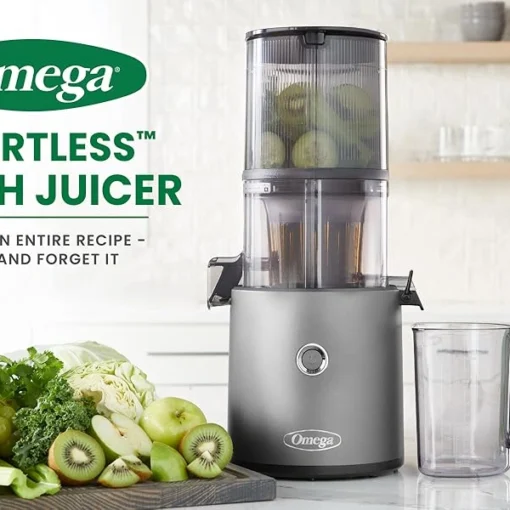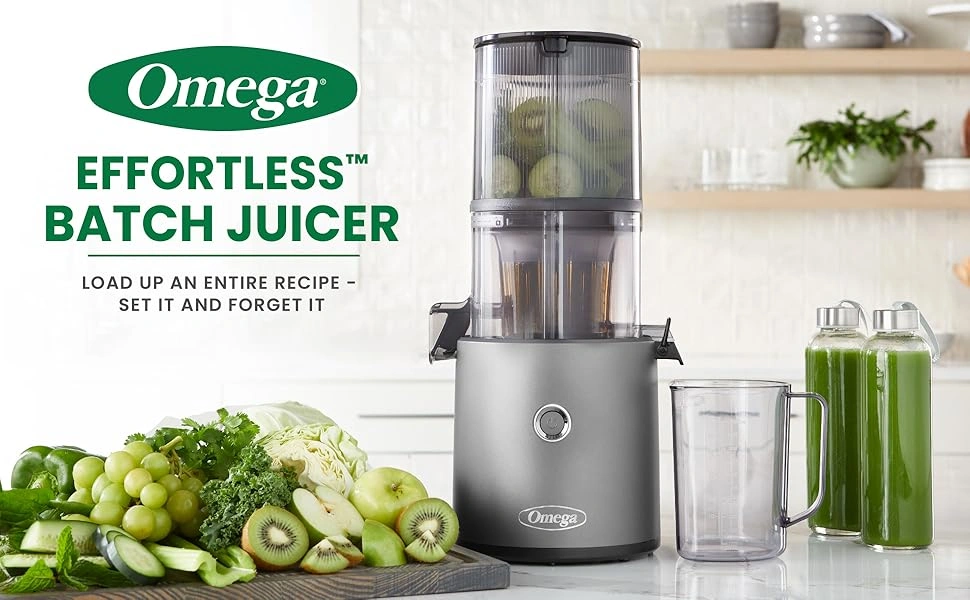
Yes, most Omega juicer parts are dishwasher safe. Removable components like the bowl, pulp container, and accessories can be cleaned on the top rack. Omega recommends handwashing to extend plastic life and using dishwasher detergent soaks for mineral buildup. Never place the motor base in water or a dishwasher.
Which Omega juicer parts are dishwasher safe?
Looking at the Omega juicer lineup, dishwasher safety varies considerably across different models and components. Understanding exactly which parts can safely go through dishwasher cycles will save you time and extend your juicer’s lifespan.
Parts commonly labeled as dishwasher safe
For many Omega models, the removable plastic components are typically dishwasher safe. These include juice bowls, pulp bowls, juice cones, strainers, and homogenizing cones. Additionally, most Omega juicers come with removable parts that can be placed on the top rack of your dishwasher.
The specific accessories that generally hold up well in dishwashers include:
- Juice and pulp containers
- Plungers and food pushers
- Augers (excluding certain drum components)
- Homogenizing attachments
- Pasta and breadstick nozzles
Notably, there are currently over 456 dishwasher-safe Omega juicer parts available on various online marketplaces.
Models with dishwasher-safe components
The Omega J8006HDC nutrition system stands out for its dishwasher-friendly design. All of its plastic components are removable and specifically designed to be washed safely on the top rack of a dishwasher. This model includes accessories like juice cones, juice bowls, pulp bowls, strainers, homogenizing cones, and various nozzles.
Similarly, the Omega H3000D masticating juicer allows for easy cleaning with most removable parts being top-rack dishwasher safe—though the drum should be excluded from dishwasher cleaning.
What the manuals actually say
According to multiple official Omega user manuals, “All of the removable parts are dishwasher safe”. These same manuals specifically warn: “Do NOT place the motor housing into the dishwasher”.
For the Nutrition System line, manuals suggest: “When finished using the Omega Nutrition System, simply put parts into dishwasher, on top rack”.
Nevertheless, some conflicting information exists. Certain model manuals explicitly state “Do not place parts or accessories in your dishwasher”. Furthermore, Omega’s official website recommends checking your specific product manual since dishwasher safety varies: “Many Omega accessories are dishwasher safe, but it’s best to consult the product manual for cleaning instructions”.
Given these inconsistencies, checking your specific model’s manual remains the safest approach before placing any components in your dishwasher.
Parts that should not go in the dishwasher
Many Omega juicer owners assume all parts can be tossed into the dishwasher, yet certain components require special care. Understanding which parts should stay away from your dishwasher helps extend your juicer’s lifespan and maintain warranty coverage.
Motor base and electrical components
The most obvious component to keep away from your dishwasher is the motor housing. Official Omega manuals explicitly state: “DO NOT place the motor housing into the dishwasher”. This base houses essential electrical components that would be permanently damaged by water exposure.
Consequently, the main base should only be wiped down with a damp cloth but never submerged in water. Any moisture entering the switch mechanisms or motor housing could cause electrical shock, fire, or complete motor failure.
Fine mesh screens and filters
The fine mesh filters or screens in your Omega juicer deserve extra attention. These delicate components contain tiny pores that can easily become clogged in a dishwasher.
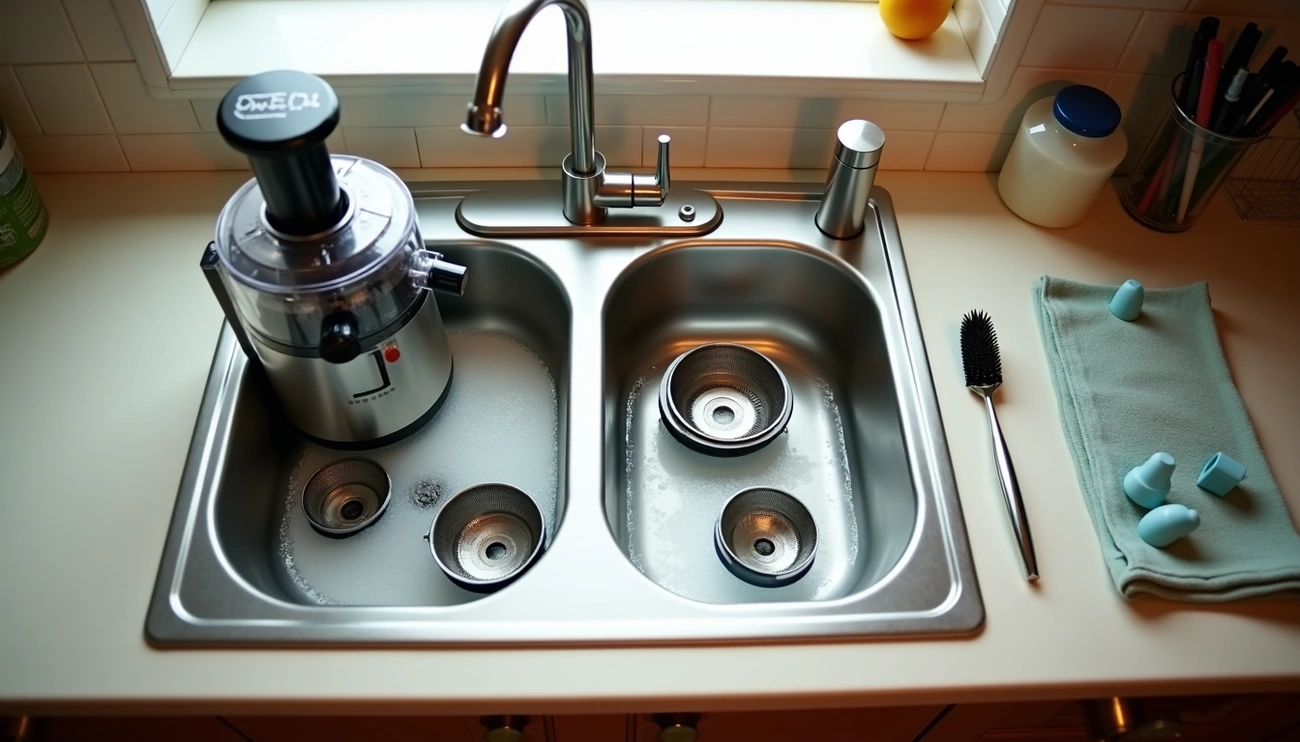
Experts recommend soaking the stainless steel filter basket in hot, soapy water for approximately 10 minutes to prevent clogging of the fine pores. Moreover, these screens often require the specialized cleaning brush included with your juicer – something a dishwasher simply cannot replicate.
Plastic parts prone to warping
Certain plastic components may warp when exposed to high temperatures in dishwashers. According to official documentation, “Plastic parts may be placed in the dishwasher on the top rack only if the water is not extremely hot. If the water is too hot, the items should be hand washed”.
Primarily, this warning applies to thin plastic components or those with precise fitting requirements. The warranty explicitly mentions that “plastic parts that become warped due to high heat will not be covered under the warranty”. This clearly indicates that dishwasher damage from high heat nullifies warranty protection.
To maintain your investment, remember that warranties typically don’t cover damage from improper cleaning methods. Hand-washing these sensitive components takes just a few minutes but could save significant replacement costs and extend the life of your juicer substantially.
How to clean Omega juicer parts properly
Proper maintenance of your Omega juicer begins with thorough cleaning after each use. Following these recommended cleaning methods will keep your juicer performing optimally for years to come.
Rinsing immediately after use
The golden rule of juicer maintenance is never letting juice residue dry on components. Once fruit and vegetable pulp dries, it becomes significantly harder to remove. I always make it a habit to clean my juicer parts immediately after juicing or at least give them a quick rinse if I’m short on time. All that concentrated pigment, pulp, and liquid sets quickly on surfaces. First rinse all removable parts under running water to remove loose debris before proceeding with deeper cleaning.
Using the provided cleaning brush
Omega juicers come with a specialized cleaning brush specifically designed for their components. This brush is particularly effective for:
- Scrubbing the mesh filter/screen where pulp tends to accumulate
- Cleaning crevices in the auger and housing
- Reaching difficult angles in the feed chute
It’s essential to scrub all sides and surfaces of your juicing parts with warm water, liquid dish soap, and this included brush after each use.
Soaking stubborn parts in warm water
For stubborn residue, soaking is remarkably effective. I recommend a weekly deep clean by soaking components in equal parts vinegar and water to remove unwanted residue. Alternatively, you can fill a gallon bowl with warm water and approximately one cup of liquid dishwasher soap that removes pulp and mineral buildup. For particularly stubborn buildup, some users recommend soaking parts in warm soapy water with peroxide (or Cascade) overnight.
Tips for cleaning the juice screen
The juice screen or mesh filter typically requires special attention. If this part becomes stuck due to residue buildup, soak it in warm soapy water for 15-30 minutes to loosen the debris. Subsequently, use the specialized brush to clean all sides of the screen. For thorough maintenance, the screen occasionally needs extended soaking to remove clear stuck-on fiber that can build up in the tiny holes.
Drying and storing parts safely
Once cleaned, thoroughly dry all components with a soft cloth or allow them to air dry completely before reassembling. Proper drying prevents mold or mildew growth. Store assembled or in the original packaging to keep all parts together and protected from dust.
How dishwasher use affects durability
Choosing to clean your Omega juicer components in the dishwasher might save time today but could cost you tomorrow. I’ve found that regular dishwasher cleaning affects the longevity of these precision-engineered parts in several important ways.
Heat and detergent impact on plastic
First and foremost, dishwasher heat poses significant risks to plastic components. Even on top rack settings, the high temperatures can gradually deform juicer parts, especially thinner plastics. This warping isn’t just cosmetic—it affects how precisely parts fit together. Essentially, harsh dishwasher detergents contain chemicals that break down plastic over time, causing microcracks and brittleness you might not immediately notice.
Long-term wear and tear
Through repeated dishwasher cycles, plastic components become increasingly vulnerable to damage. As a matter of fact, many users report that parts initially labeled “dishwasher safe” show signs of deterioration after multiple washes. The combination of hot water pressure and chemical exposure degrades seals and connection points, ultimately affecting juice extraction efficiency.
Warranty considerations for dishwasher damage
Important to note, Omega’s warranty explicitly states that “plastic parts that become warped due to high heat will not be covered under the warranty”. To clarify, this means any damage resulting from dishwasher use—even for supposedly “dishwasher safe” parts—might void your coverage. Omega support representatives typically recommend manual cleaning for this very reason, especially for preserving the 15-year warranty that covers components like filters.
Conclusion
After exploring the dishwasher safety of Omega juicer parts, the answer remains somewhat model-dependent. Although many plastic components like juice containers, plungers, and certain attachments can handle top-rack dishwashing, other parts demand hand cleaning for optimal longevity.
First and foremost, check your specific model’s manual before making assumptions. Manuals offer contradictory guidance across different Omega models, making this verification step crucial. Regardless of what the manual states, motor bases should never enter your dishwasher under any circumstances.
My personal approach balances convenience with preservation. For quick daily cleaning, I immediately rinse all components and use the specialized brush on mesh screens. This practice prevents stubborn residue buildup and maintains extraction efficiency. Then again, for weekly maintenance, I deep clean using warm water soaks with vinegar or mild soap solutions.