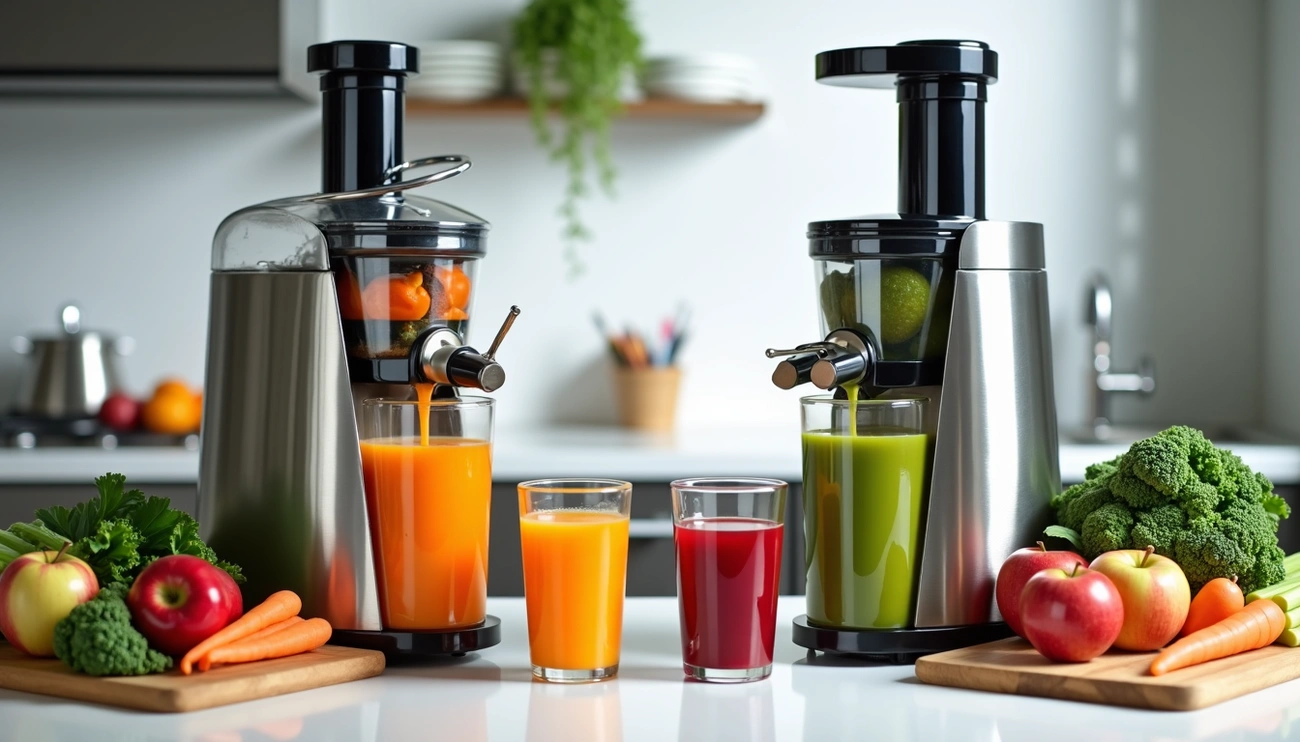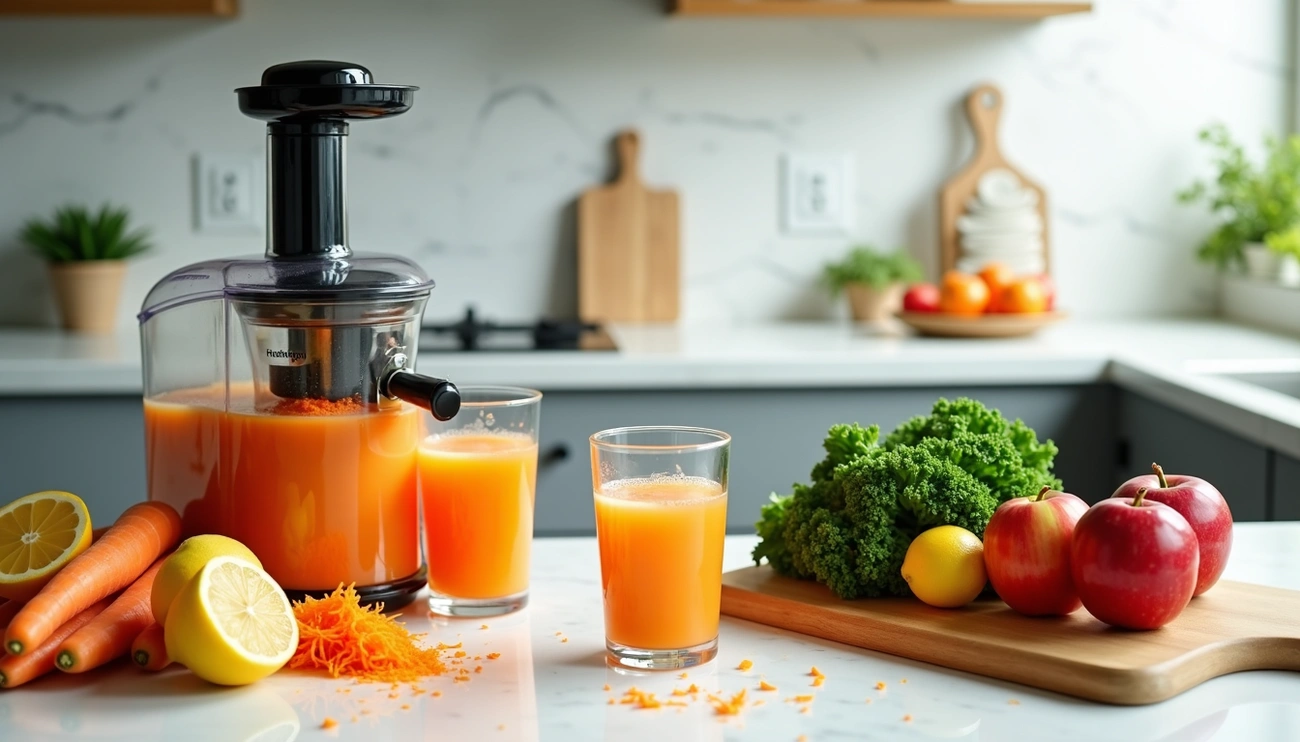
No, Juicers do not destroy most nutrients, but they remove nearly all fiber and some micronutrients when separating pulp from liquid. Juicing retains many vitamins and minerals, including vitamin C and potassium. However, fiber loss increases blood sugar spikes and concentrates calories and natural sugars per serving.
What happens to nutrients during juicing?
The juicing process fundamentally alters the nutritional profile of fruits and vegetables in ways many enthusiasts don’t fully understand. Looking beyond the vibrant colors and refreshing taste, we need to examine the science behind what truly happens to nutrients when produce goes through the juicer.
Juicing removes fiber and pulp
The most significant nutritional change occurs with fiber. Up to 90% of fiber is removed during the juicing process. This fiber removal is far from insignificant—it’s a critical nutrient that most Americans already lack in their diet. In fact, only 5% of Americans consume the recommended amount of fiber daily.
Fiber plays multiple essential roles in our bodies:
- It aids digestion and helps lower cholesterol
- It stabilizes blood sugar levels
- It creates a feeling of fullness that prevents overeating
Moreover, without fiber, the natural sugars in fruit act more like refined sugar in your body, leading to sugar rushes, crashes, and cravings. Consequently, you’re likely to feel hungrier sooner after drinking juice compared to eating whole fruits or vegetables.
Loss of antioxidants and polyphenols
Contrary to popular belief, juicing doesn’t merely separate liquid from solid—it also separates nutrients. Some antioxidants and polyphenols are naturally bound to plant fibers and are discarded with the pulp. One study revealed that blending whole fruits resulted in stronger antioxidant activities and larger amounts of phenolic compounds compared to juices made by extracting only the flesh.
Furthermore, juice is light and oxygen-sensitive, making its nutrients vulnerable to damage over time. This vulnerability can further decrease nutrient content compared to the original whole food.
Does juicing destroy nutrients or just reduce them?
Rather than complete destruction, juicing primarily results in selective nutrient reduction. Certain vitamins remain present but in altered proportions. For instance, vitamin C levels in apple, pear, and mandarin orange juice were actually higher in juiced versions versus blended ones.
Nevertheless, the overall nutritional profile becomes imbalanced. The concentrated juice contains higher levels of certain nutrients alongside much higher sugar content, yet lacks the fiber-bound nutrients that whole foods provide. In fact, research has linked fruit juice consumption with increased risk of type 2 diabetes, whereas whole fruits were associated with reduced risk.
Hence, the question isn’t simply whether juicing destroys nutrients—it’s about understanding the comprehensive nutritional tradeoff that occurs.
How juicing methods affect nutrient retention
The equipment you choose for juicing plays a crucial role in determining how many nutrients remain in your glass. Different extraction methods can affect everything from vitamin content to shelf life, making your juicer choice more important than you might think.
Cold-pressed vs. centrifugal juicers
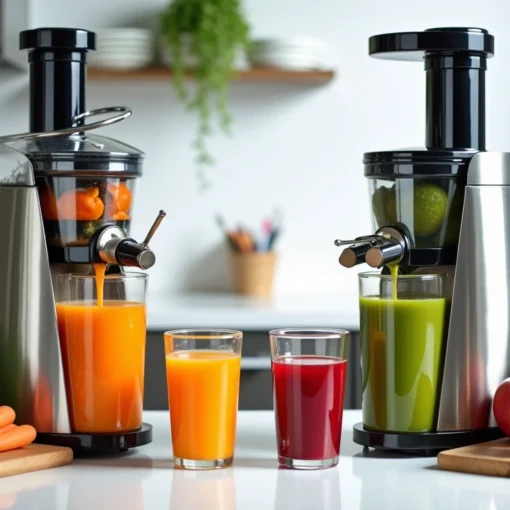
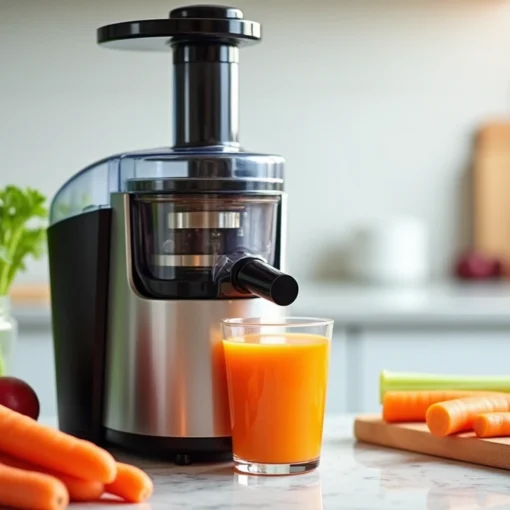
Cold-pressed (masticating) juicers slowly crush and press produce using hydraulic pressure, while centrifugal juicers use fast-spinning blades to extract juice through centrifugal force. The fundamental difference lies in speed and heat generation – cold-pressed juicers operate at lower speeds with minimal heat production, whereas centrifugal models generate more friction and heat during extraction.
Many manufacturers claim cold-pressed juicers preserve more nutrients due to their low-heat process. Yet scientific evidence presents a more nuanced picture. Notably, one peer-reviewed study found “no significant differences between cold-pressed and normal centrifugal juices in terms of bioactive compounds (ascorbic acid, total phenolic, and total carotenoid) and antioxidant capacity”.
Impact of heat and oxidation
Temperature significantly affects nutrient preservation. Research indicates that nutrients begin decreasing in concentration at temperatures above 60°C, though most home juicers don’t reach such high temperatures. Still, even modest heat exposure can impact nutrient stability.
Oxidation occurs when juice is exposed to air, leading to nutrient degradation. Cold-pressed juicers typically minimize this exposure compared to centrifugal models. Subsequently, this reduced oxidation contributes to longer shelf life for cold-pressed juices.
Does juicing take away nutrients differently by method?
Although initial nutrient content might be similar between methods, differences emerge over time. In one study, after 72 hours, vitamin A dropped by approximately 12% in cold-pressed juice but plummeted 46% in centrifugal juice. Similarly, vitamin C remained stable in cold-pressed samples but decreased by 20% in centrifugal juice after 48 hours.
First and foremost, storage conditions matter regardless of juicing method. Cold-pressed juices stored at room temperature (around 28°C) showed significant degradation in bioactive compounds within 48 hours. Conversely, refrigerated storage preserved nutrient content for up to five days before declining.
Essentially, both methods remove fiber similarly, yet cold-pressed juices typically maintain their nutritional profile longer – a crucial consideration if you don’t consume your juice immediately.
Juicing vs. blending vs. whole foods
When considering fruit and vegetable consumption methods, understanding the differences between juicing, blending, and whole foods becomes crucial for making informed nutritional choices.
Blending retains fiber and more antioxidants
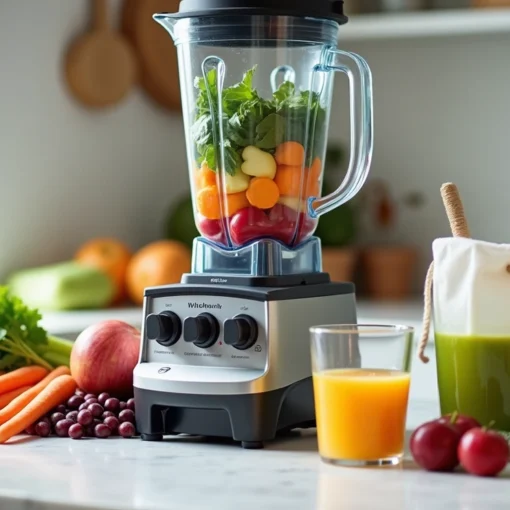
Unlike juicing, blending keeps all parts of produce intact—including the fiber, pulp, seeds, and skin (when edible). This retention of fiber creates smoothies that are more filling, supporting sustained energy and stable blood sugar levels compared to juice. Importantly, research reveals that juices prepared by blending whole fruits demonstrate stronger antioxidant activities and contain larger amounts of phenolic compounds than juices made by extracting only the flesh. Blending breaks down cell walls in produce, making specific nutrients more bioavailable. For example, blending tomatoes makes lycopene easier for your body to absorb.
Whole foods offer better satiety and slower sugar absorption
Eating whole fruits provides greater satiety primarily because mastication (chewing) impacts appetite. One systematic review found that chewing food reduces self-reported hunger and enhances the release of satiety-related gut hormones. Alongside this benefit, whole fruits contain intrinsic sugars bound within the fruit’s cell structure, whereas juicing converts these to free sugars. This structural difference matters—one study showed that apple juice without fiber was consumed 11 times faster than whole apples, leading to higher serum insulin levels.
Do you lose nutrients when juicing compared to eating whole?
Undoubtedly, processing whole fruits into juice involves significant nutrient trade-offs. Studies confirm that oranges, apples and grapefruits have greater antioxidant density when consumed whole than in juice form. Additionally, an observational study linked fruit juice consumption with increased risk of type 2 diabetes, whereas whole fruits were associated with reduced risk. Heat processing further reduces antioxidant compounds—in strawberries, this process decreased vitamin C by 17-22%, anthocyanins by 21-67%, and phenols by 27-30%.
Fundamentally, the choice between juicing, blending, or eating whole affects not just nutrient content but your overall health outcomes.
Tips to reduce nutrient loss when juicing
If you’ve decided juicing works for your lifestyle, maximizing nutrient retention becomes critical. Following these practical strategies can help preserve those valuable vitamins and minerals throughout the process.
Drink juice immediately after preparation
Fresh juice begins losing nutrients immediately upon exposure to air. Antioxidant and enzyme activity decreases rapidly over time. Drinking your juice right after preparation ensures you’re getting the maximum nutritional benefit before oxidation takes hold.
Store juice properly if needed
When immediate consumption isn’t possible, proper storage becomes essential. Transfer juice into airtight glass containers filled to the top to minimize air exposure. Refrigerate between 35-40°F (1.6-4.4°C) and consume within 24-48 hours. Studies show refrigerated storage preserves nutrient content for up to five days before declining. For longer storage, freezing in small portions works well, with frozen juice lasting 2-3 months.
Add pulp back into recipes
Pulp contains nearly 95% of the fiber from fresh fruits and vegetables alongside up to half their nutrients. Consider:
- Mixing some pulp back into your juice
- Using pulp to fortify muffins, soups, or cooked rice
Use more vegetables than fruits
Follow the 80/20 rule—80% vegetables to 20% fruit—to limit sugar content. This ratio maintains nutritional benefits while minimizing sugar intake.
Limit portion sizes to avoid sugar spikes
Keep portions between 4-8 ounces (½-1 cup) daily. Pairing juice with protein helps slow blood sugar response.
Conclusion
Juicing presents a nutritional paradox worth careful consideration. Throughout this exploration, we’ve seen that while juices deliver concentrated doses of certain vitamins and minerals, they simultaneously remove crucial fiber and some fiber-bound nutrients. This removal fundamentally changes how our bodies process the nutrients and sugars present in the original produce.
Fresh juice certainly offers health benefits through concentrated plant compounds that support cellular health. Still, these benefits must be weighed against the drawbacks of fiber removal and potential blood sugar fluctuations. Most compelling evidence suggests whole fruits and vegetables remain nutritionally superior to their juiced counterparts, particularly for blood sugar management and satiety.
Does this mean you should abandon your juicer? Not necessarily. Juice can serve as an occasional nutritional supplement, especially for those struggling to consume enough vegetables otherwise. The key lies in mindful consumption – drinking small portions immediately after preparation, incorporating more vegetables than fruits, and perhaps adding some pulp back into your glass.