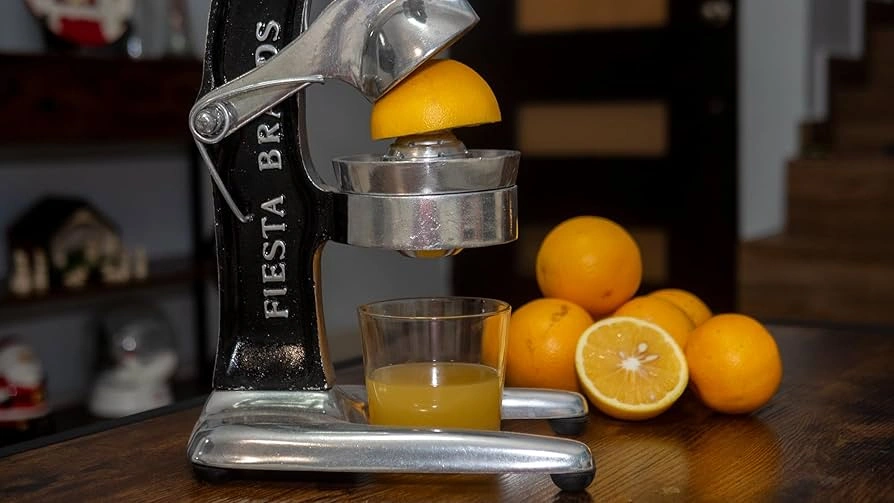
Use a hand juicer by cutting the citrus fruit in half, placing one half cut side down into the bowl, and firmly squeezing the handles together over a glass. This action inverts the rind and maximizes juice extraction. Lever-style citrus squeezers extract more juice with minimal pulp and seeds.
Pick and Prep the Right Fruit
The quality of your juice begins long before you reach for your manual juicer. Selecting and preparing the right fruit makes all the difference between a small trickle and a generous flow of flavorful juice.
Check for ripeness and firmness
The foundation of great juice starts with proper fruit selection. Citrus fruits are non-climacteric, meaning they don’t ripen after harvesting. Therefore, choose fruits that are already ripe with good size, weight, and color. Look for lemons and limes that feel heavy for their size and have smooth skins. For oranges and grapefruits, select those with vibrant color and minimal blemishes. Avoid fruits with bruises, wrinkled, or discolored skin as these typically contain less juice.
Warm the fruit to room temperature
Cold fruit yields significantly less juice than room-temperature fruit. If you store citrus in the refrigerator, set it out for at least 30 minutes before juicing. In a hurry? Place the fruit in the microwave for 10-15 seconds for a quick warm-up. This simple step increases juice yield considerably as the internal membranes soften and release their liquid more readily.
Roll the fruit to loosen juice
After warming, roll the fruit firmly on your countertop. Press down with your palm and roll it back and forth several times. This technique breaks down the internal membranes that hold the juice, making extraction easier when using your hand juicer. You’ll actually feel the fruit soften as you roll it. The science is simple—pre-breaking cell walls allows more juice to flow freely once cut.
Cut the fruit for best leverage
How you slice citrus affects juice yield dramatically. For most hand juicers, cutting the fruit in half crosswise works best. However, if you’re dealing with key limes or small lemons, quartering might provide better leverage in your manual juice press. Sharp knives are essential—a clean cut preserves more juice than a ragged one.
An average-sized lemon typically yields about 3 tablespoons (or 1¾ ounces) of juice, while a lime produces approximately 1 tablespoon (½ to 1 ounce). Properly preparing your fruit maximizes these yields, ensuring you get every drop possible from your manual juicer.
How to Use a Hand Juicer Step-by-Step
Now that your fruit is properly prepared, let’s master the actual juicing technique. Using a hand juicer effectively requires specific movements to extract maximum juice without creating a mess.
Place the fruit cut-side down
Initially, this might seem counterintuitive, but placing your citrus cut-side down in the juicer is crucial. Position the halved fruit with the cut surface facing downward into the bowl-shaped cup of your manual juicer. This proper positioning ensures the interior dome presses against the rind-end of the fruit. Many beginners mistakenly place the cut side facing up, which causes juice to squirt upwards, creating unnecessary splatter.
Grip the handles properly
For optimal leverage, hold the bottom handle in your non-dominant hand while positioning the juicer over a collection bowl. Subsequently, use your dominant hand to press down on the top handle until both handles are close enough together that you can grip them simultaneously. Once the handles are positioned correctly, place one hand in front of the other for maximum strength and control during the squeeze.
Squeeze until juice stops flowing
Apply steady pressure rather than sudden force. Pull the handle down slowly and firmly, avoiding slamming or forcing the mechanism. This gradual approach extracts more juice and protects the peel from releasing bitter oils. Squeeze several times until juice ceases flowing from the press. The process will actually invert the rind so it’s almost inside-out, indicating you’ve extracted maximum juice.
Avoid splashing and mess
To minimize kitchen cleanup, keep these techniques in mind:
- Hold the juicer directly over your collection container
- Consider juicing directly into your recipe’s cookware to skip a step
- For clean extraction, don’t over-press once the peel is fully flattened as this releases bitter oils from the rind
- If seeds are a concern, use a mesh bag over the cone before placing fruit or pour through a fine strainer afterward
Through proper technique with your manual juicer, you’ll achieve chef-quality results while keeping your kitchen (and hands) clean and mess-free.
Clean and Maintain Your Manual Juicer
Proper maintenance of your manual juicer is equally essential as mastering the squeezing technique. Regular cleaning not only ensures better-tasting juice for your next use, moreover, it significantly extends the lifespan of your kitchen tool.
Rinse immediately after use
The single most important maintenance rule is to clean your hand juicer right after squeezing. Studies show that 70% of kitchen tools degrade faster due to improper cleaning, leading to rust, odors, and bacterial growth. Citrus juices contain acids and sugars that become sticky and difficult to remove once dried. Consequently, a quick rinse prevents pulp and juice from adhering to the surface, making cleanup much simpler and protecting the juicer’s finish.
Use a brush for pulp and seeds
For thorough cleaning of your manual juice press, gentle removal of pulp is essential:
- First wipe down the juicer with a damp cloth to remove obvious residue
- Use a small brush specifically for cleaning crevices and holes
- If you don’t have a cleaning brush, a cotton swab works for hard-to-reach areas
Small brushes are particularly effective at removing trapped seeds and pulp from holes and slits that fingers cannot reach.
Dishwasher-safe parts vs hand wash
Although many modern hand juicers claim to be dishwasher-safe, hand washing is typically the better option. Dishwashers can break down pins and rotational devices over time. Furthermore, stainless steel juicers last 3x longer than plastic ones when maintained properly. For cast iron juicers, never use hot water or soak the parts, as this allows water to penetrate microscopic pores, increasing rust risk.
Store in a dry place
After cleaning, dry your handheld juicer thoroughly with a lint-free towel. Never air-dry metal juicers, as lingering moisture causes rust formation. For cast iron models, apply a very thin layer of food-safe oil as a protective barrier. Finally, store your juicer in a dry place to prevent moisture buildup and extend its useful life.
Pro Tips for Chef-Level Juicing
Taking your manual juicing skills from basic to professional requires knowing a few insider techniques. These chef-level tips will help you extract maximum flavor with your hand juicer.
Use the right citrus for your recipe
Different citrus fruits serve distinct culinary purposes. Navel oranges work best for eating, whereas Valencia oranges are ideal for juicing despite often looking green outside. For cocktails and cooking, lemons and limes remain kitchen workhorses. Pink grapefruits offer the most reliably balanced flavor for both eating and juicing. Additionally, Key limes are smaller and more acidic than Persian (standard) limes, making them especially suited for specific recipes.
Double-slice for more juice
Cutting citrus into “cheeks” around the core instead of traditional halves yields noticeably more juice. This technique works particularly well with limes because their fibrous central pith traps juice inside. Removing this central pith allows more liquid to escape, essentially maximizing your manual juicer’s efficiency.
Juice directly into your cookware
Professional chefs save time by juicing directly into their measuring cups or recipe containers. This technique minimizes transfers between vessels, henceforth reducing mess and preserving every drop of precious juice.
Avoid bitter oils from the rind
Bitterness in citrus juice comes from limonene in the peel oil. Primarily, over-pressing after the peel is fully flattened releases these oils instead of additional juice. Beginners often make the mistake of forcing every last drop, which creates an unpleasant aftertaste.
Use leftover peels creatively
The average American consumes 12.5 pounds of citrus yearly. Instead of discarding peels, use them to make citrus sugar by rubbing zest with sugar, create homemade cleaners by infusing vinegar with peels, or candy them for dessert garnishes. Peels can even repel garden pests naturally.
Conclusion
Mastering the art of hand juicing transforms ordinary cooking into extraordinary culinary experiences. Throughout this guide, we’ve explored how proper fruit selection, preparation techniques, and correct juicing methods work together to maximize both juice yield and flavor. Fresh, room-temperature citrus pressed with the right technique simply delivers better results than store-bought alternatives.
After all, the difference between amateur and professional juicing often comes down to small details—cutting fruit properly, positioning it cut-side down, and applying steady pressure without over-squeezing. These seemingly minor adjustments prevent bitter oils from the rind while ensuring every last drop of sweet juice makes it into your recipe.
Additionally, proper cleaning habits significantly extend your manual juicer’s lifespan. Quick rinses after each use prevent sticky residue buildup and maintain the tool’s functionality for years to come.
Most importantly, we now understand that hand juicing isn’t just about extracting liquid—it’s about capturing pure, vibrant flavor that enhances everything from cocktails to vinaigrettes. The chef-level techniques shared here, especially the double-slice method and creative uses for leftover peels, help us reduce waste while elevating our culinary results.