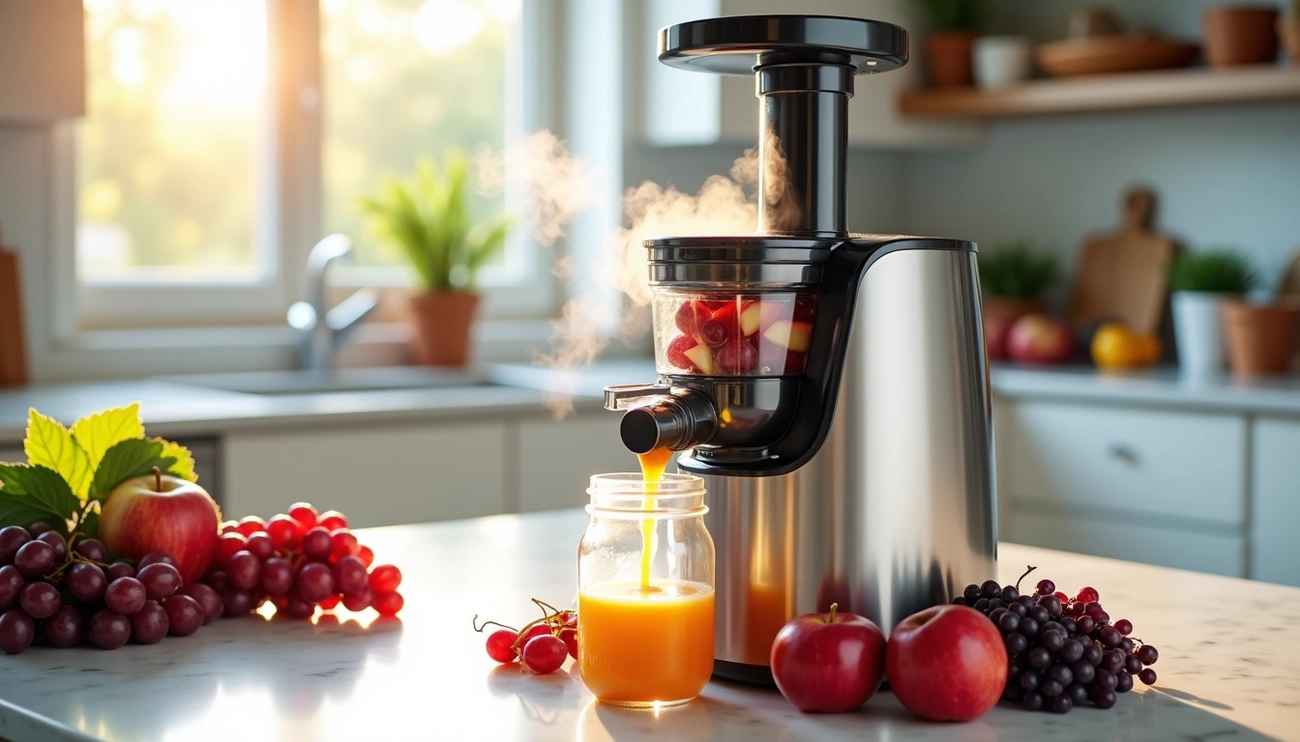
Use a steam juicer by filling the bottom pot with 2–3 quarts of water and bringing it to a boil. Place washed fruit or vegetables in the top strainer basket. Stack the three-tier system and steam on high heat for 60–90 minutes. Collect pure juice from the middle pan using the attached hose, especially for canning.
Understanding the Steam Juicer
The steam juicer stands out as a remarkably simple yet efficient kitchen tool that makes extracting juice from fruits a breeze. Understanding its components and operation will help you master how to use a steam juicer effectively.
Parts of a steam juicer and how they work
A steam juicer consists of three or four main components stacked together:
- Water Pan (Bottom) – This lowest section holds 3-4 quarts of water that, when heated, creates steam to power the entire process.
- Juice Kettle (Middle) – Features a cone-shaped center that directs steam upward and collects juice as it drips down. Most importantly, it includes a tube with a clamp for safely dispensing hot juice.
- Food Basket/Colander (Top) – A perforated container with holes in the bottom and sides where fruits are placed.
- Lid – Covers the top, preventing steam from escaping and maintaining the heating process.
When assembled, these components work together brilliantly. As water boils in the bottom pan, steam rises through the center opening of the juice kettle and penetrates the fruit in the colander. This gentle heat causes the cell walls of the fruit to rupture, releasing juice that drips through the perforations and collects in the middle section.
Steam juicer vs juice extractor: key differences
The primary distinction between these devices lies in their extraction methods. Whereas juice extractors use mechanical force (crushing, spinning, or pressing) to extract juice, steam juicers utilize heat.
Furthermore, steam juicers produce exceptionally clear juice without sediment, eliminating the need for straining through cheesecloth or jelly bags. This makes them ideal for making jellies, syrups, and wines.
Nevertheless, steam juicers do have limitations. They work best with soft fruits such as grapes, berries, cherries, plums, and apples. Additionally, since the juice is heated during extraction, it develops a slightly “cooked” taste, which may not be ideal for fresh drinking but is perfect for preservation.
Another benefit worth noting is that steam-extracted juice comes out sterile and hot, ready for immediate canning or bottling for long-term storage without refrigeration. Consequently, steam juicers excel at preserving seasonal harvests when fruits ripen faster than they can be consumed.
Preparing Your Fruit for Juicing
Preparing fruits correctly before juicing makes a significant difference in your results. With proper preparation, even beginners can achieve excellent juice extraction with minimal effort.
How to use a steam juicer for grapes
Grape juice extraction becomes remarkably simple with a steam juicer. Initially, wash your grapes thoroughly and remove any shriveled, rotten, or unripe grapes. Notably, you don’t need to remove the stems—a major time-saver. Place the clean grape clusters directly into the top colander section of your juicer. Once assembled, heat the water to just above medium and set a timer for one hour. After steaming, the grapes will look collapsed like deflated balloons. One 25-pound lug of grapes typically yields 10-12 quarts of clear juice.
Steam juicing apples: what to know
When steam juicing apples, proper preparation yields better results. Cut apples into quarters or halves before placing them in the juicer—this speeds up the extraction process. Primarily, you should select flavorful varieties rather than using just one type. A mixture of sweet and tart apples (like Gala, Granny Smith, and Honeycrisp) creates better-tasting juice than using all Red Delicious. Essentially, there’s no need to peel, core, or remove seeds before juicing.
Best fruits and vegetables to juice
The steam juicer works best with soft fruits, specifically: berries, grapes, cherries, plums, peaches, pears, apples, tomatoes, rhubarb, and apricots. For vegetables, the steam juicer effectively extracts juice from tomatoes and can even create homemade V-8 style blends. Stone fruits should have pits removed before juicing, although larger fruits can simply be quartered.
Tips for freezing and prepping elderberries
Preparing elderberries becomes easier with this time-saving method: spread clusters on cookie sheets and freeze until solid (approximately 6 hours). Afterward, set up your workspace with the water pan heating while the berries remain frozen. Put on clean kitchen gloves, then quickly rub frozen clusters between your hands over the colander—the berries will fall while the stems remain in your hand. This technique drastically reduces preparation time. Remember to remove larger stems and leaves before juicing, though tiny stems can remain.
Step-by-Step Steam Juicer Instructions
Setting up your steam juicer correctly guarantees optimal results while preventing damage to your equipment. Let me guide you through the entire process from setup to completion.
Filling the water pan and assembling the juicer
First, fill the bottom water pan with approximately 3-5 quarts of water as recommended by your manufacturer. Place this water-filled pot on your stove. Next, position the juice kettle (middle section) on top, ensuring the juice hose falls lower than the kettle. Properly secure the hose clamp by squeezing it and sliding it to the center of the hose.
Loading the fruit and starting the steam
Place the colander (top section) onto the juice kettle and fill it with your prepared fruit. Secure the lid firmly on top—if it doesn’t fit properly, remove excess fruit. Turn your burner to high until the water reaches a rapid boil, then reduce to maintain a consistent rolling boil. Depending on your stove, this will typically be between medium-high and high heat.
Collecting and dispensing the juice safely
Position a heat-resistant container slightly below the juicer so the juice hose hangs down 3-4 inches into it. After approximately one hour, check if juice is ready by carefully lifting the hose by the clamp (never touch the hot hose directly). To release juice, gently squeeze the clamp—remember, both the juice and hose will be extremely hot.
How long to steam and when to refill water
Complete juicing takes approximately 2-3 hours per batch. The process is finished when fruit appears pale and collapsed. Most importantly, never let the water pan boil dry—this can damage your juicer or even cause fires. Monitor the bubbling sound; if it stops, immediately add more water.
Aftercare and Creative Uses
After enjoying the fruits of your labor, proper aftercare and creative uses of byproducts will maximize your steam juicing investment.
Cleaning and storing your steam juicer
Once finished, clean your steam juicer using a soft cloth with warm, soapy water to preserve its shiny surface. Most models can go in the dishwasher, including the silicone juice hose. For stubborn hard water deposits, soak affected parts in a diluted vinegar solution (½ cup vinegar to 1 quart water) for 30-60 minutes. Always dry thoroughly with a soft towel to prevent water spots and remove the clamp from the juice hose before storing.
Using leftover pulp: fruit leather, butter, compost
Don’t toss that leftover pulp! Transform it into delicious fruit leather by spreading it onto parchment paper and dehydrating at 110-115°F for 12-16 hours. For smoother texture, blend the pulp first. Apple mush works wonderfully for applesauce or apple butter, while cherry and cranberry pulp can be dehydrated for healthy snacks. Grape pulp typically goes to compost due to seeds. Otherwise, add pulp to baked goods, soups, or cream cheese spreads for extra fiber and nutrients.
Ideas for using your juice: jelly, syrup, kombucha
Your crystal-clear juice serves as an excellent base for jellies and syrups without straining. For syrup, mix juice with sugar and pectin, bringing to a full rolling boil for one minute. Alternatively, make freezer jellies following recipes on pectin packages. The juice stays fresh in the refrigerator for a week or can be preserved through freezing or water bath canning for up to 12 months.
Conclusion
Steam juicing truly stands as one of the most efficient methods to transform seasonal harvests into delicious, shelf-stable juices. Throughout this guide, we’ve explored everything from basic setup to creative uses for both juice and pulp. Most importantly, the steam juicer offers unmatched versatility for home food preservation enthusiasts.
The beauty of steam juicing lies in its simplicity. After all, the process requires minimal hands-on time while producing crystal-clear juice ready for immediate canning or further processing. Additionally, this method preserves more nutrients than mechanical juicing while eliminating the tedious straining step normally required when making jellies or syrups.
Safety certainly remains paramount when using your steam juicer. Always monitor water levels during operation, handle hot components with care, and ensure proper heat treatment of your juice for safe preservation. Likewise, maintaining your juicer properly after use will extend its life for many harvests to come.