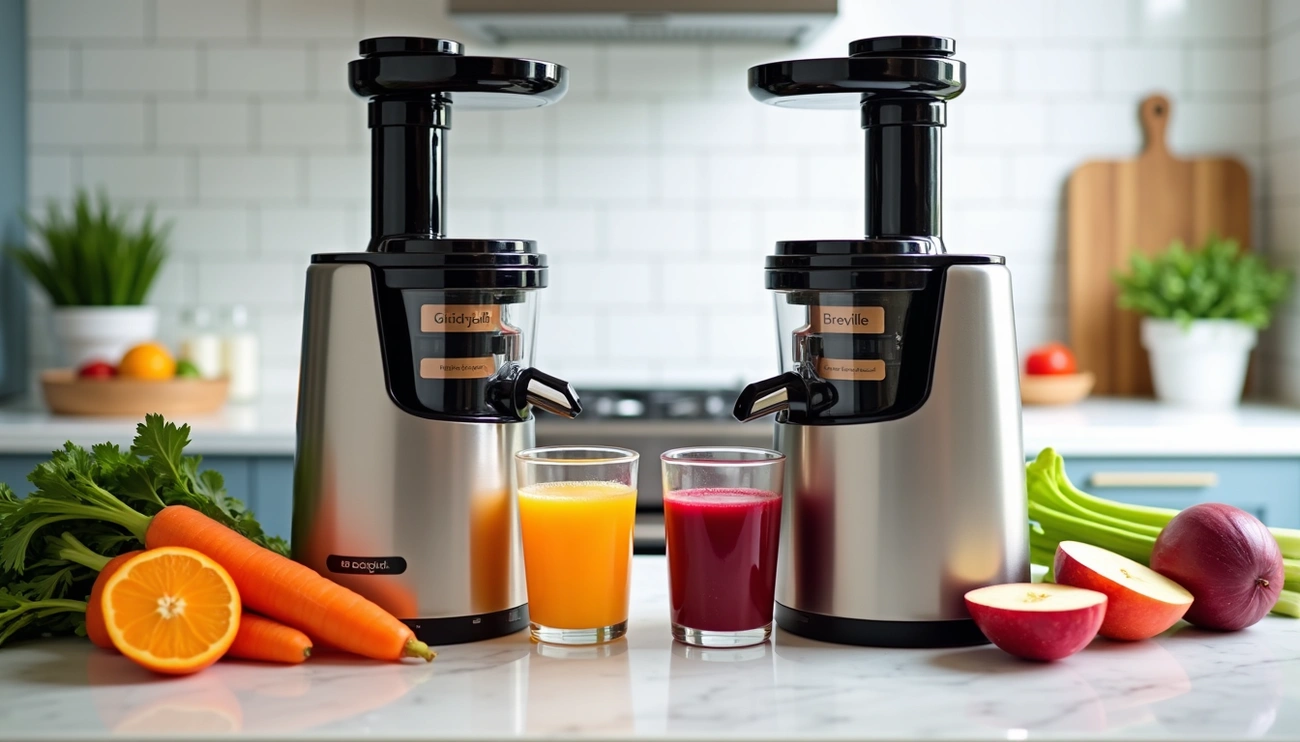
Breville is not a true cold press juicer. Breville produces high-speed centrifugal juicers branded as “Juice Fountain Cold” that use Cold Spin Technology to reduce heat transfer. These juicers spin at high speeds to extract juice quickly and in large volumes, but they do not use the slow masticating process of traditional cold press juicers.
What does ‘cold press’ really mean?
The term “cold press” often causes confusion among juicing enthusiasts. First of all, true cold pressing is a specific method dating back thousands of years that uses hydraulic pressure to extract juice with minimal heat.
How cold press juicers work
Authentic cold press juicing involves a two-step process. Initially, fruits and vegetables are ground into a pulp. Subsequently, this pulp is placed in filter bags and subjected to thousands of pounds of pressure between two plates. This method generates almost no heat, consequently preserving heat-sensitive nutrients. Despite its name, not all machines marketed as “cold press” actually use this true pressing technique.
Moreover, many masticating juicers (also called “slow juicers”) are incorrectly labeled as cold press machines, although they use a different extraction method. Instead of actual pressing, these devices employ a slow-turning auger that crushes produce and pushes it against a screen at 80-100 RPM.
Why people choose cold press over centrifugal
People typically prefer genuine cold press juicers for several important reasons. Cold pressed juice generally contains more nutrients because minimal heat prevents oxidation of micronutrients. Furthermore, cold pressing produces higher juice yields, extracting the maximum liquid from produce.
Another advantage is longevity – properly cold pressed juices can stay fresh for 5-7 days, whereas centrifugal juices begin separating almost immediately due to oxidation. Additionally, many users report cold pressed juice tastes better because the slow extraction preserves natural flavors.
Common misconceptions about cold press juicers
The biggest misconception is that all slow or masticating juicers qualify as “cold press” juicers. However, unless the machine uses actual hydraulic pressure to extract juice, it isn’t a true cold press juicer.
There’s also debate about nutritional benefits. Although manufacturers claim cold pressing preserves more nutrients, some scientific studies show mixed results. Nevertheless, research comparing extraction methods for broccoli juice found that cold-pressed samples contained the highest levels of polyphenols and flavonoids.
Beyond these points, price versus performance remains an essential consideration when deciding if a breville cold juicer or other brands’ true cold press models make sense for your juicing needs.
Understanding Breville’s Cold Spin Technology
Breville’s approach to juicing centers around their proprietary Cold Spin Technology—a unique system designed to address the heat concerns of traditional centrifugal juicers yet operate differently from true cold press methods.
What is Cold Spin Technology?
Cold Spin Technology represents Breville’s innovative solution to minimize heat transfer during the juicing process. This system combines a titanium-reinforced cutting disk with a mesh filter that spins at high speeds. The crucial difference lies in the specialized design that reduces friction and maintains cooler temperatures. The juice flows through the mesh filter surrounded by the Breville Cold Spin Technology chamber, specifically engineered to minimize heat transfer during extraction.
The technology works alongside a powerful 850-watt motor in most models, processing produce rapidly without significantly increasing temperature. Additionally, the wide feed chute accommodates whole fruits and vegetables, reducing preparation time and exposure to air before juicing.
How it differs from traditional cold press
Unlike true cold press juicers that slowly crush produce between plates at 80-100 RPM, Breville’s Cold Spin Technology operates at much higher speeds. Traditional cold press methods use hydraulic pressure with minimal friction, extracting juice through compression. Conversely, Breville employs a centrifugal approach but with crucial modifications to address heat generation.
The primary distinction remains in processing speed—Breville juicers complete extraction in seconds rather than minutes required by authentic cold press machines. Furthermore, Breville models feature innovative storage solutions like the Seal and Store Juice Jug that preserves juice for up to 3 days, though still shorter than the 5-7 day preservation of true cold pressed juice.
Temperature transfer and nutrient retention
The hallmark of Breville’s Cold Spin Technology is its ability to maintain low temperatures during extraction. Independent testing confirms that Breville juicers transfer less than 1.8°F of heat during the juicing process. This minimal temperature increase helps preserve heat-sensitive nutrients that would otherwise degrade at higher temperatures.
While not matching the absolute minimal heat generation of true hydraulic cold press systems, Breville’s approach successfully navigates the middle ground between speed and nutrient preservation. Users benefit from the convenience of rapid juicing without sacrificing significant nutritional value, making it an appealing alternative for those seeking both efficiency and quality.
Is the Breville Juice Fountain a cold press juicer?
To answer the title question directly: No, the Breville Juice Fountain Cold is not a true cold press juicer. Let’s examine why.
Breville Juice Fountain Cold vs Cold Press Juicers
The Breville Juice Fountain Cold operates as a centrifugal juicer, using rotating blades that spin fruits and vegetables at high speeds through a mesh filter. This fundamentally differs from authentic cold press (masticating) juicers that slowly crush produce at 40-100 RPM. Essentially, Breville uses its proprietary Cold Spin Technology to minimize heat while maintaining the speed advantages of centrifugal extraction.
Performance comparison: speed, yield, and quality
Regarding performance, the Breville excels at speed—processing produce in seconds compared to the minutes required by traditional cold press machines. For juice quality, the Breville performs admirably with hard fruits and vegetables, producing smooth results especially with carrot-orange combinations. Unfortunately, its yield from leafy greens can be disappointing—sometimes as low as 14%.
User experience and cleaning differences
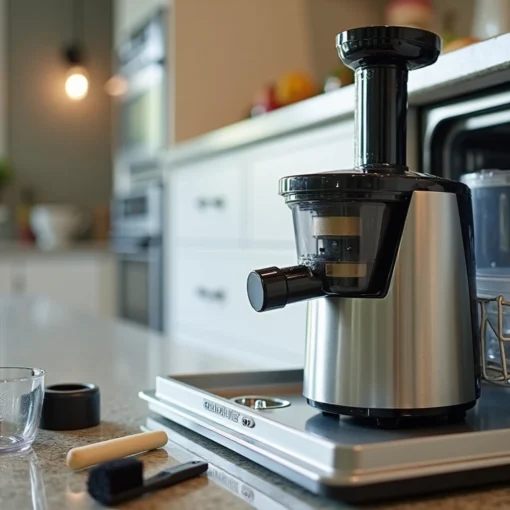
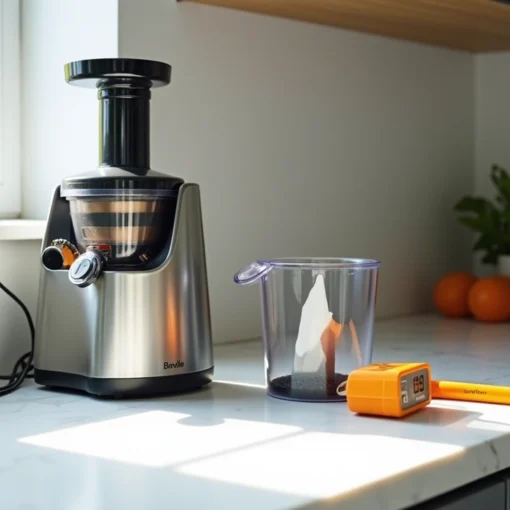
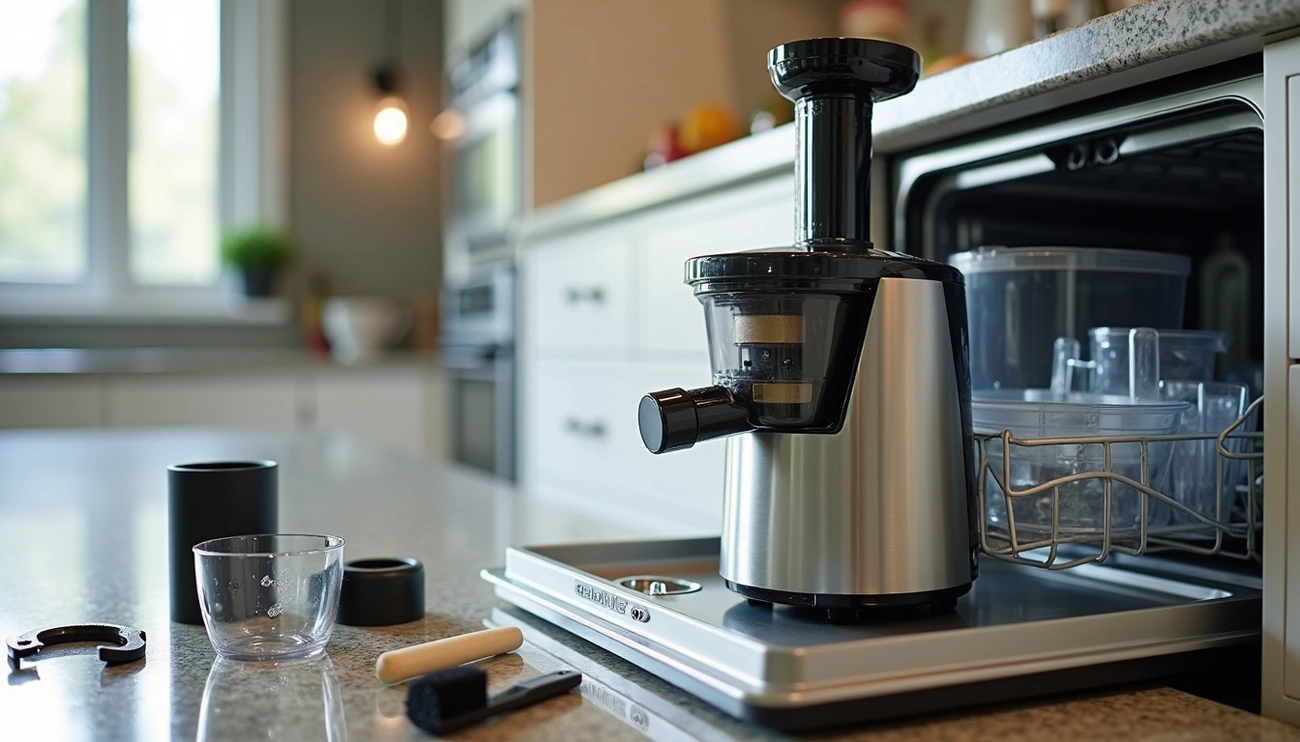
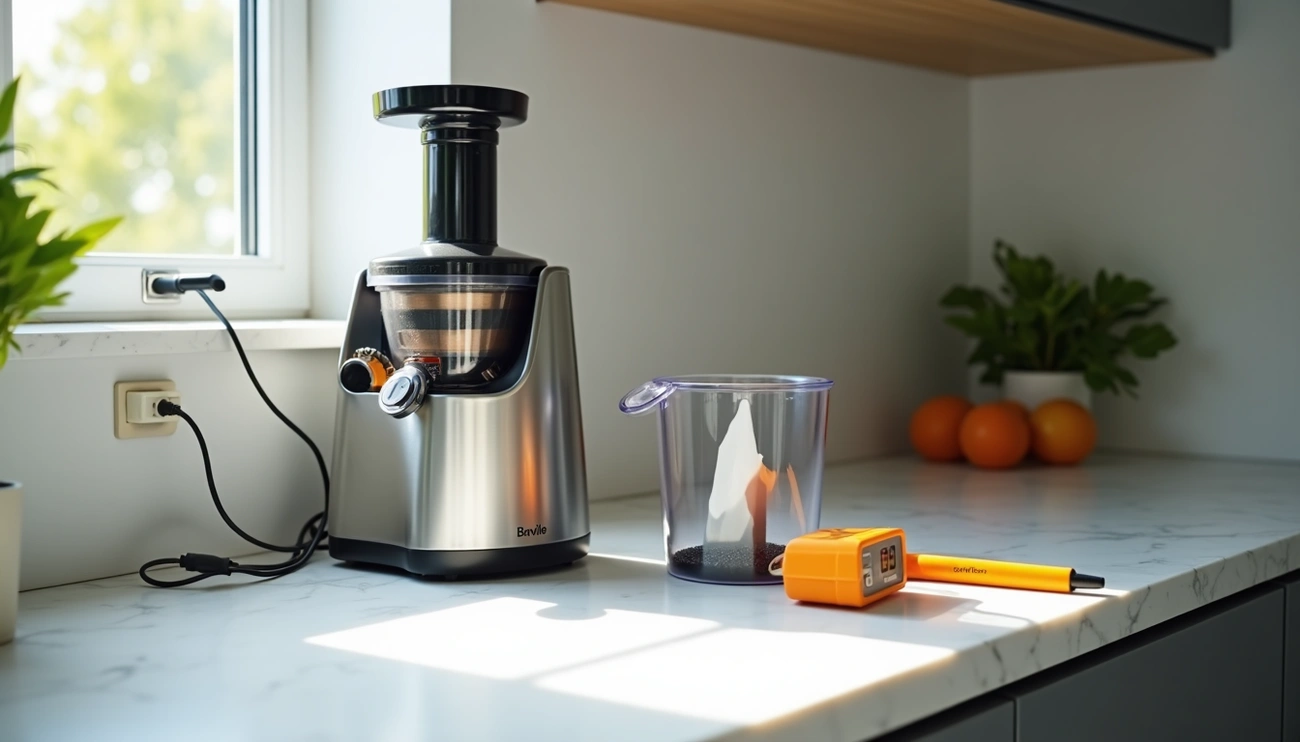
From a user perspective, the Breville offers considerable convenience. Its extra-wide feed chute accommodates whole fruits, eliminating extensive prep work. Comparatively, the noise level resembles “a cheap hair dryer”—louder than masticating juicers yet quieter than some centrifugal models. Cleaning is straightforward with dishwasher-safe parts and an included brush for the micro-mesh filter. A helpful tip: line the pulp container with a compostable bag for even faster cleanup.
Who should buy a Breville Cold Juicer?
Deciding between different juicer types ultimately comes down to your specific needs and priorities. The Breville Cold Juicer fills a unique niche in the market.
Best use cases for Breville juicers
The Breville Juice Fountain Cold is ideal for time-conscious individuals who juice regularly as part of their daily routine. People who prioritize speed and efficiency will appreciate how quickly it processes whole fruits and vegetables. Indeed, with its extra-wide feed chute, you’ll spend minimal time on prep work. The juicer excels particularly with hard produce like carrots and apples. Furthermore, its premium construction makes it perfect for the devoted health enthusiast who uses their juicer daily and values durability.
When a cold press might be better
Consider a true cold press juicer if leafy greens form the cornerstone of your juicing regimen. Since Breville struggles with kale and wheatgrass, these often end up in the pulp bin. Likewise, those focused on maximum nutrient preservation and detoxification might prefer authentic cold press models. Additionally, if noise concerns are paramount, masticating juicers operate more quietly than Breville’s centrifugal approach.
Price vs performance considerations
While Breville represents the premium end of centrifugal juicers (USD 180-299), authentic cold press models typically start around USD 300. Nonetheless, Breville’s quality construction—featuring brushed stainless steel and die-cast metal—justifies its cost for frequent juicers. Yet for occasional users who primarily juice fruit, less expensive centrifugal models might suffice. Overall, Breville offers excellent value through superior materials, stronger motors, and innovative features.
Conclusion
After examining Breville’s juicing technology thoroughly, we can clearly answer our initial question: Breville’s Juice Fountain Cold is not a true cold press juicer. Instead, it represents an innovative middle ground between traditional centrifugal juicers and authentic cold press machines.
The Cold Spin Technology certainly addresses many concerns people have about centrifugal juicers, particularly regarding heat transfer. With less than 1.8°F of temperature increase during extraction, Breville manages to preserve many of the nutrients that would otherwise be lost in conventional high-speed juicers. This achievement, coupled with the convenience of an extra-wide feed chute and rapid processing time, makes it an attractive option for many households.
Speed remains one of Breville’s strongest selling points. You can create fresh juice in seconds rather than minutes, without sacrificing significant nutritional value. Additionally, the Seal and Store Juice Jug keeps your juice fresh for up to three days, though this falls short of the 5-7 day shelf life of true cold pressed juice.