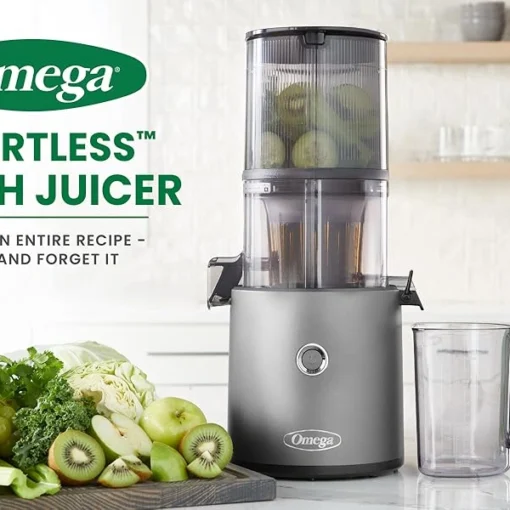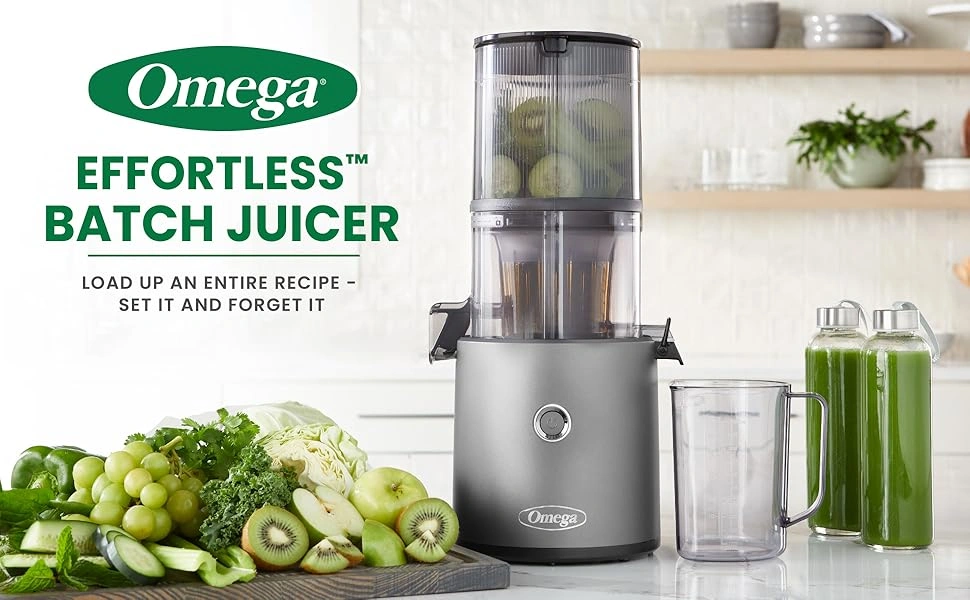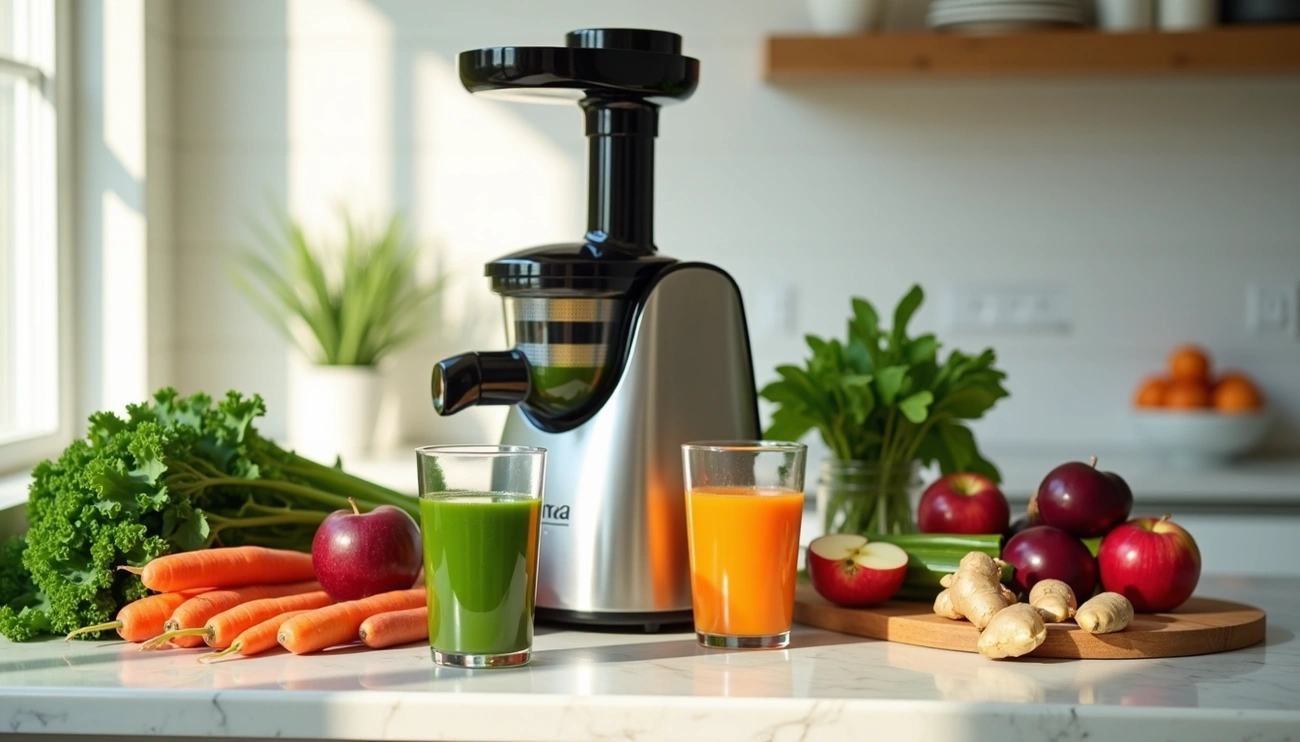
Yes, many Omega juicers are cold press models that use slow-speed masticating technology. Omega juicers operate at 43–90 RPM with a screw-style auger that crushes and squeezes produce instead of spinning blades. Models like the H3000D and various vertical units reduce heat and oxidation, which preserves more nutrients and enzymes than centrifugal juicers.
What is a cold press juicer and how does it work?
Cold press juicers have become the gold standard for serious juice enthusiasts. Unlike ordinary kitchen appliances, these specialized machines use a completely different approach to extract juice from fruits and vegetables. Let me break down what makes them special and why my Omega stands out in this category.
Cold press vs centrifugal juicers
The fundamental difference between these two juicer types is in how they extract juice. Centrifugal juicers operate at high speeds (6,000-12,000 RPM) with sharp blades that shred produce and fling juice outward using centrifugal force. Meanwhile, cold press juicers (also called masticating juicers) work at significantly lower speeds—typically between 30-200 RPM.
This difference in speed creates dramatic contrasts in the juice quality. Centrifugal models generate heat during operation, which destroys delicate nutrients through oxidation. Cold press juicers, however, preserve more vitamins, minerals, and enzymes because they produce minimal heat and air exposure.
How does a cold press juicer work?
Cold press juicers use an auger (a spiral-shaped grinding tool) to crush and press produce against a fine mesh screen. This slow, methodical process squeezes out juice while separating it from the pulp. The result? Maximum extraction with minimal oxidation.
In most models, the produce first gets crushed into a pulp, then tremendous pressure squeezes every last drop of juice while leaving behind dry pulp. This two-stage process ensures you get more juice from the same amount of fruits or vegetables—up to 20% more juice compared to centrifugal juicers.
Why slow-speed extraction matters
Slow juicing isn’t just about being patient—it fundamentally affects what ends up in your glass. The gentle pressing action preserves heat-sensitive nutrients, particularly vitamins C and B, that would otherwise be damaged during high-speed juicing.
Furthermore, cold-pressed juice contains less foam, separates more slowly, and maintains its vibrant color longer because of reduced oxidation. Beyond that, the slow extraction creates a richer mouthfeel with more intense flavors since the essential oils and antioxidants remain intact.
For those wondering “is Omega juicer cold press”—yes, and this technology is precisely why these machines can extract juice so effectively from challenging ingredients like leafy greens and wheatgrass that centrifugal juicers struggle to process.
Is Omega a true cold press juicer?
Indeed, Omega juicers are authentic cold press machines, though you’ll often see them called “masticating juicers” in technical descriptions. After months with mine, I can confirm they deliver on their cold press promises.
Understanding the Omega masticating juicer
The defining characteristic of Omega’s true cold press technology is its slow operation speed—typically between 80-110 RPM. This deliberate slowness stands in stark contrast to centrifugal juicers that spin at 1,650 to 15,000 RPM. My Omega uses a powerful auger (a spiral-shaped grinding tool) that gently crushes produce against a mesh screen, extracting juice with minimal heat generation.
Most models feature a triple-stage juice processing system that maximizes extraction from fruits, vegetables, and especially leafy greens. The Omega Vertical Masticating Juicer, for instance, produced over 13 ounces of juice from a pound of kale—twice the average of comparable machines.
How Omega cold press juicer preserves nutrients
The slow-speed extraction process is fundamental to preserving nutritional value. By minimizing heat build-up and oxidation, Omega juicers protect essential vitamins, minerals, enzymes and nutrients that would otherwise be damaged.
In fact, research shows that average enzyme activity (specifically amylase and peroxidase) is 1.5-3 times higher in cold pressed extraction versus other juicing methods. Additionally, the reduced speed creates smoother, nutrient-rich juice with less foam and better taste.
Comparing Omega to other cold press brands
When testing against competitors, the Omega consistently demonstrates superior performance. In professional tests, the Omega Vertical Masticating Juicer produced the driest pulp among all machines tested, indicating maximum extraction.
On challenging ingredients like leafy greens, Omega models excel where others struggle. According to verified customer reviews, users get approximately 36% more juice when using Omega juicers on leafy greens. The build quality is substantial—Omega juicers are notably heavy for their size, indicating quality construction.
Between ease of cleaning, quiet operation, and exceptional yield, my experience confirms what the specifications suggest—Omega truly delivers authentic cold press juicing.
Key features of Omega cold press juicers
Beyond its core juicing capabilities, my Omega juicer offers standout features that make it worth the investment. Let me walk you through what makes these machines special in day-to-day use.
Quiet operation and compact design
The Omega cold press operates with remarkably less noise compared to high-speed juicers, allowing for peaceful juicing sessions without disturbing family members. Whether you’re making an early morning green juice or a late-night refreshment, the quiet operation is genuinely appreciated. Moreover, the sleek, space-saving vertical design fits perfectly on any kitchen counter, making it an elegant addition to your kitchen without sacrificing precious counter space.
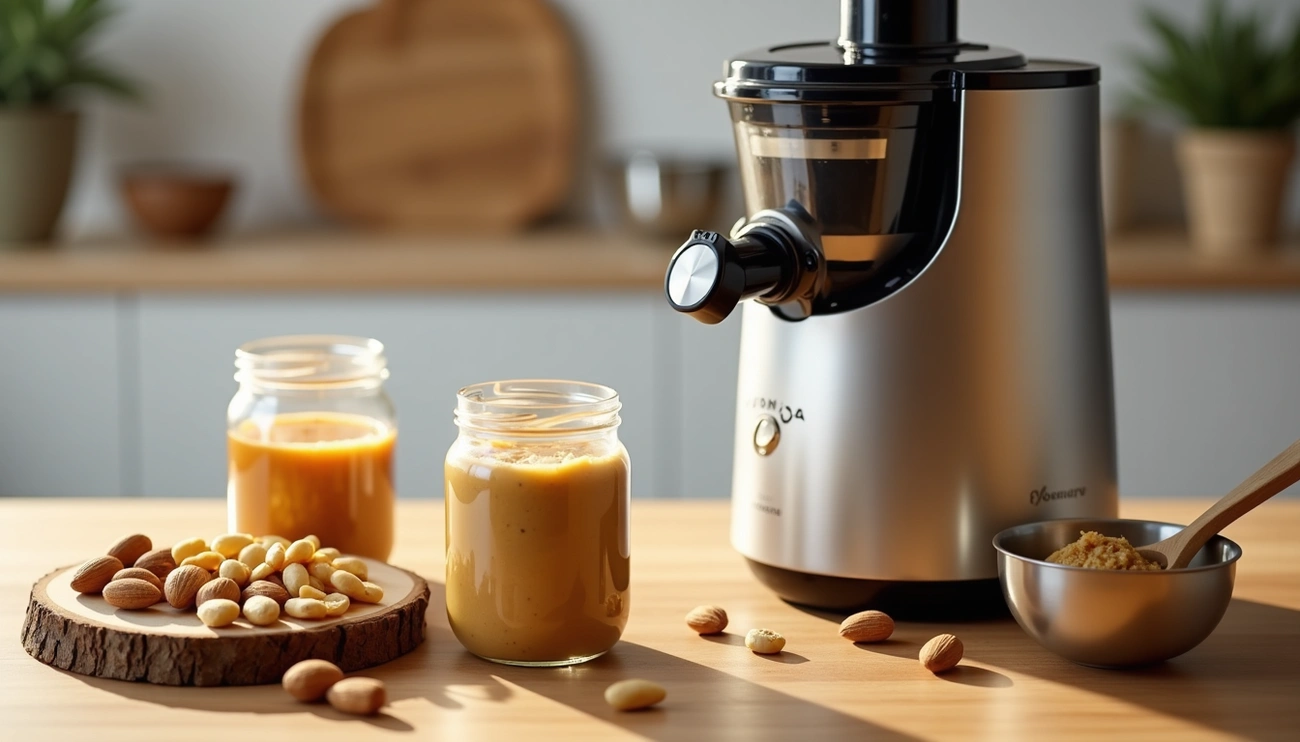
Multi-functionality: nut butters, pasta, baby food
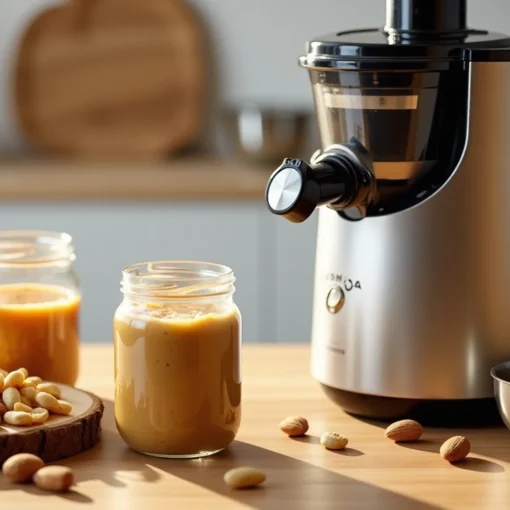
One extraordinary aspect of the Omega masticating juicer is its versatility. Alongside juicing, these multi-functional machines allow you to create nut butters, plant-based milk, sorbets, pasta, and even baby food. This functionality transforms it from a single-purpose appliance into an indispensable kitchen tool that justifies its counter space.
Ease of cleaning and dishwasher-safe parts
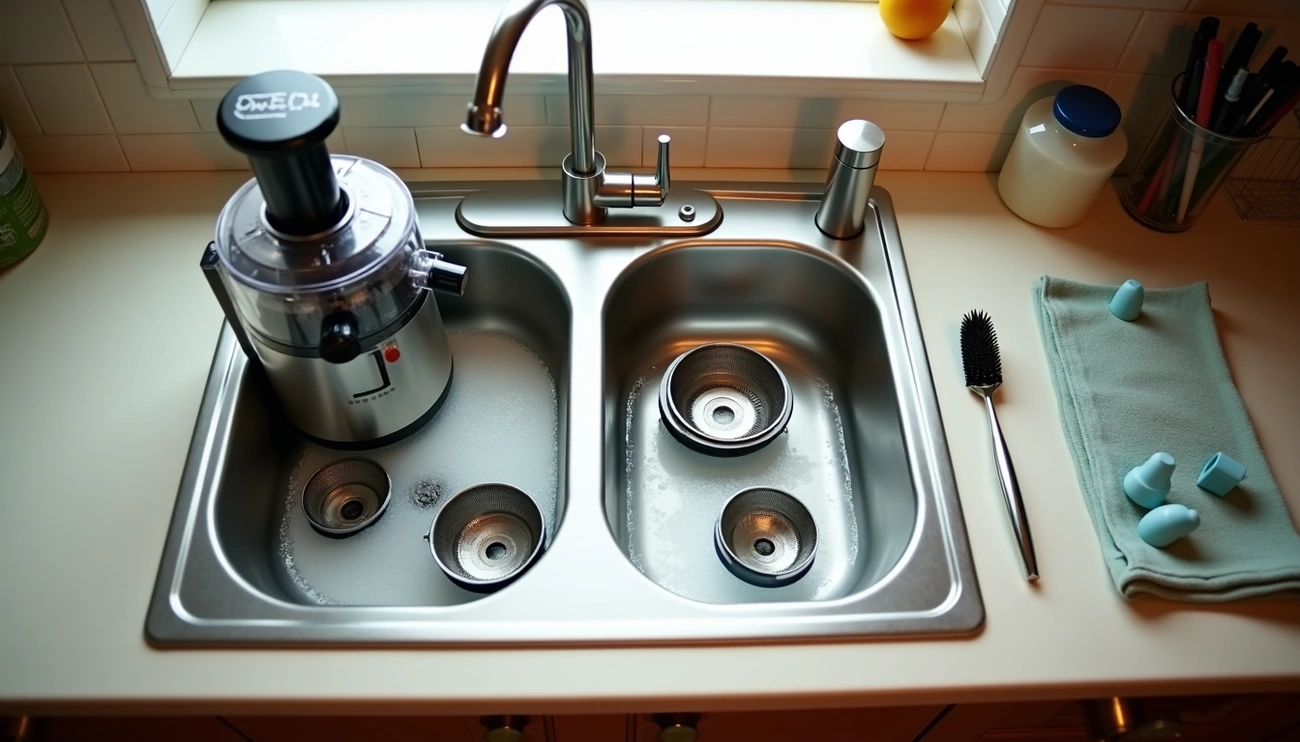
Cleaning has been simplified with all removable parts being top rack dishwasher safe. For regular maintenance, I simply scrub all sides and surfaces with warm water, liquid dish soap, and the included scrubbing brush after each use. On top of this, Omega recommends a monthly deep clean by soaking removable parts in water with dishwasher detergent for 24 hours to remove any mineral buildup.
Durability and build quality
The impressive 15-year limited warranty speaks volumes about how durable these machines are. Crafted with high-quality materials and precision engineering, Omega juicers are built to last for years. The powerful motor generates sufficient torque to process tough ingredients without strain, though some newer models have received mixed reviews regarding motor strength compared to older versions.
Real user experience: My honest Omega juicer review
After researching countless juicers, I finally bought an Omega cold press juicer. Here’s my unfiltered experience as an actual owner.
Initial setup and first impressions
Upon unboxing my Omega juicer, I was immediately struck by how user-friendly it was. Assembly proved straightforward with just four parts sitting atop the motor base. As a juicing beginner, I appreciated this simplicity. The compact design fits perfectly on my limited counter space, though I typically store it away between uses.
Juicing performance with fruits and greens
My Omega truly excels with fruits and vegetables. The cold press technology efficiently extracts juice while keeping the pulp remarkably dry. Initially, I discovered certain limitations—it struggled with berries and waxed apples required peeling. Nevertheless, it handles celery, apples, oranges, and greens exceptionally well.
What I loved and what could be better
The standout features? First, the quiet operation that doesn’t disturb my household. Second, cleanup is genuinely simple without those frustrating mesh filters to scrub. My primary complaint concerns the feeding chute size—it’s smaller than ideal, requiring extra prep time. Occasionally, tougher produce can cause jamming.
Would I recommend it?
Absolutely. Despite minor limitations, this juicer delivers nutritious, delicious juice consistently. The extraction efficiency alone justifies the investment. For anyone serious about juicing regularly, this Omega cold press juicer represents excellent value—just keep your receipt handy as customer service experiences vary.
Conclusion
Cold press juicing has transformed my approach to healthy living, and my Omega juicer stands at the center of this change. Throughout this review, we’ve explored what makes these machines special—primarily their slow-speed extraction that preserves vital nutrients while producing higher yields than centrifugal alternatives.
After months of regular use, I can confidently say the Omega cold press juicer lives up to its reputation. The minimal heat generation during operation actually preserves more enzymes and vitamins than traditional high-speed juicers. Additionally, the versatility extends beyond simple juicing, allowing me to create everything from almond milk to homemade pasta with a single appliance.
The machine certainly has limitations. The small feeding chute means extra prep time, and occasionally tougher produce causes jams. However, these minor inconveniences pale against the benefits—quiet operation, straightforward cleaning, and exceptional juice quality.