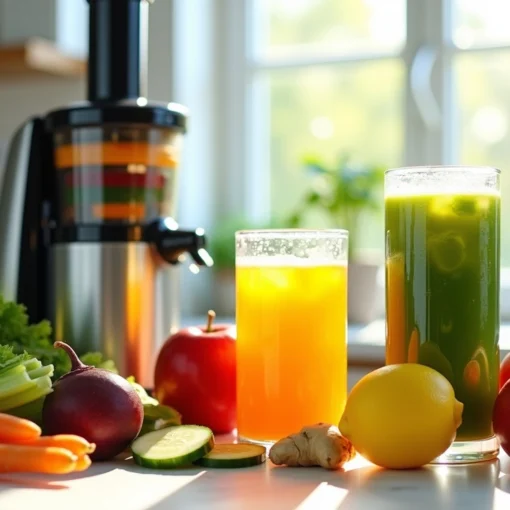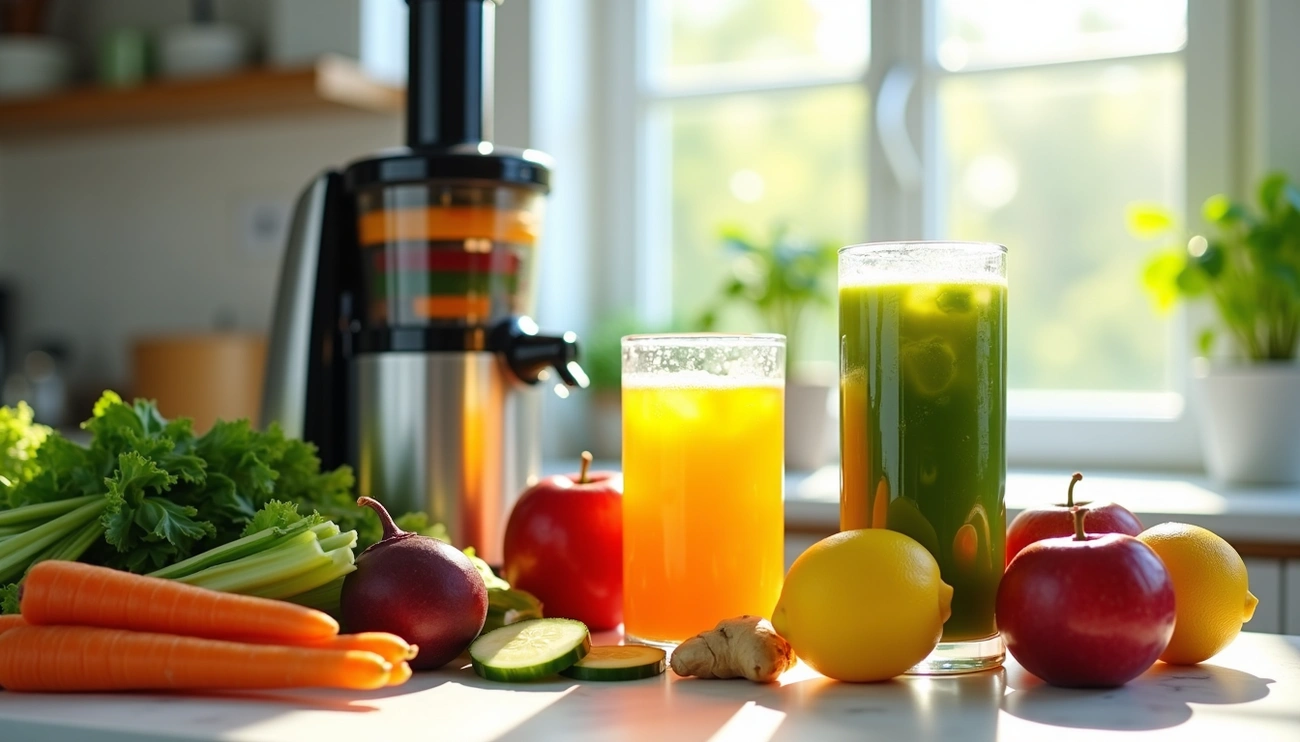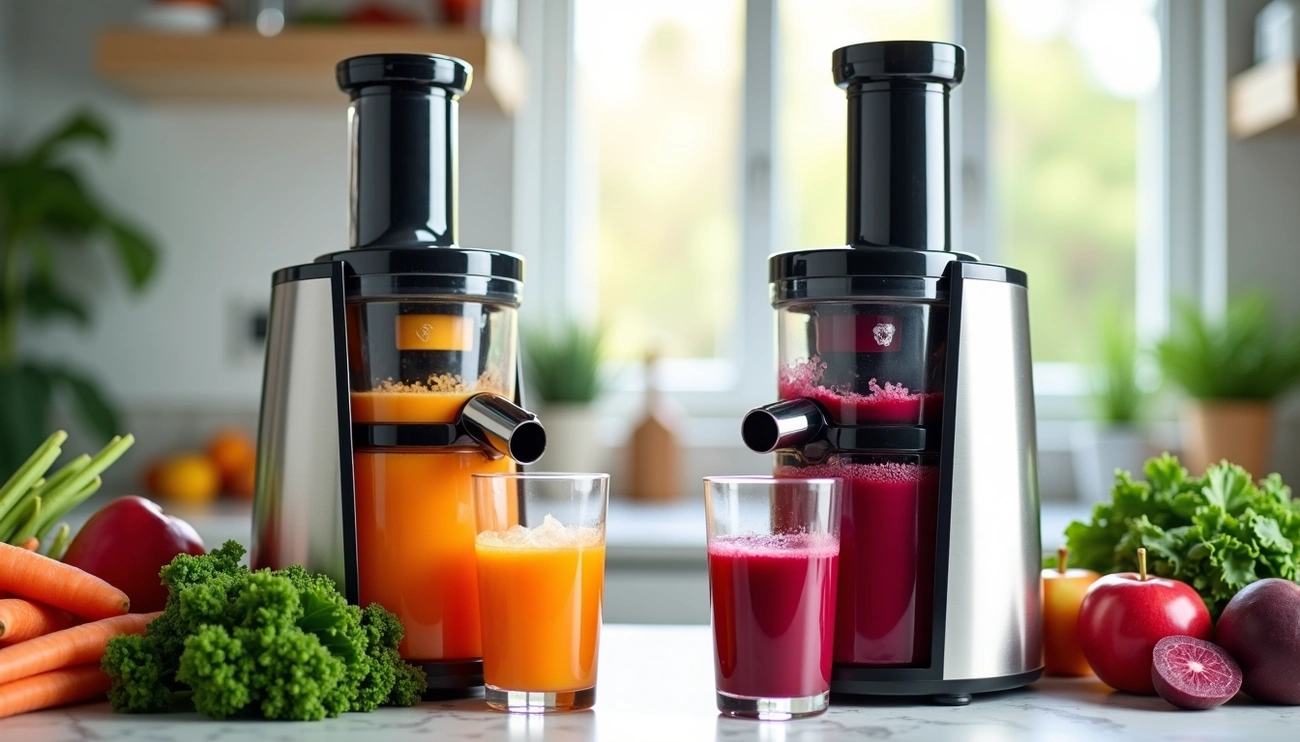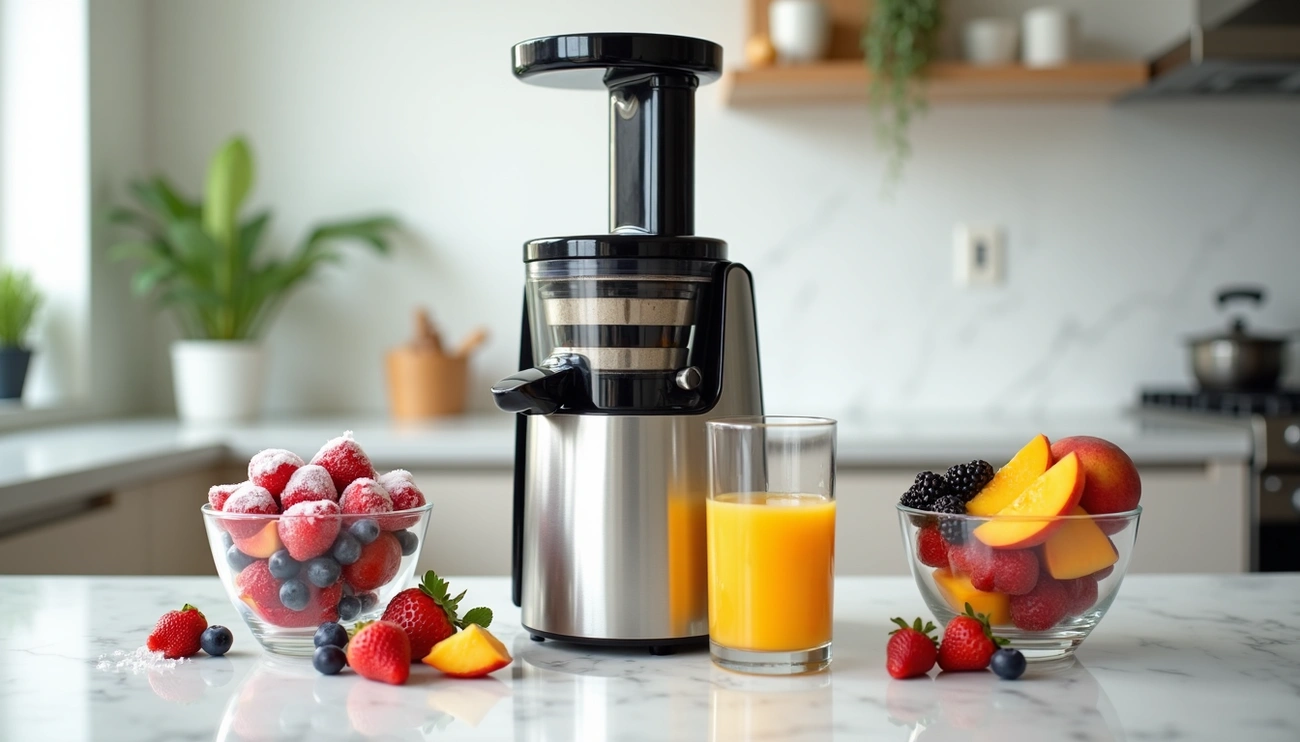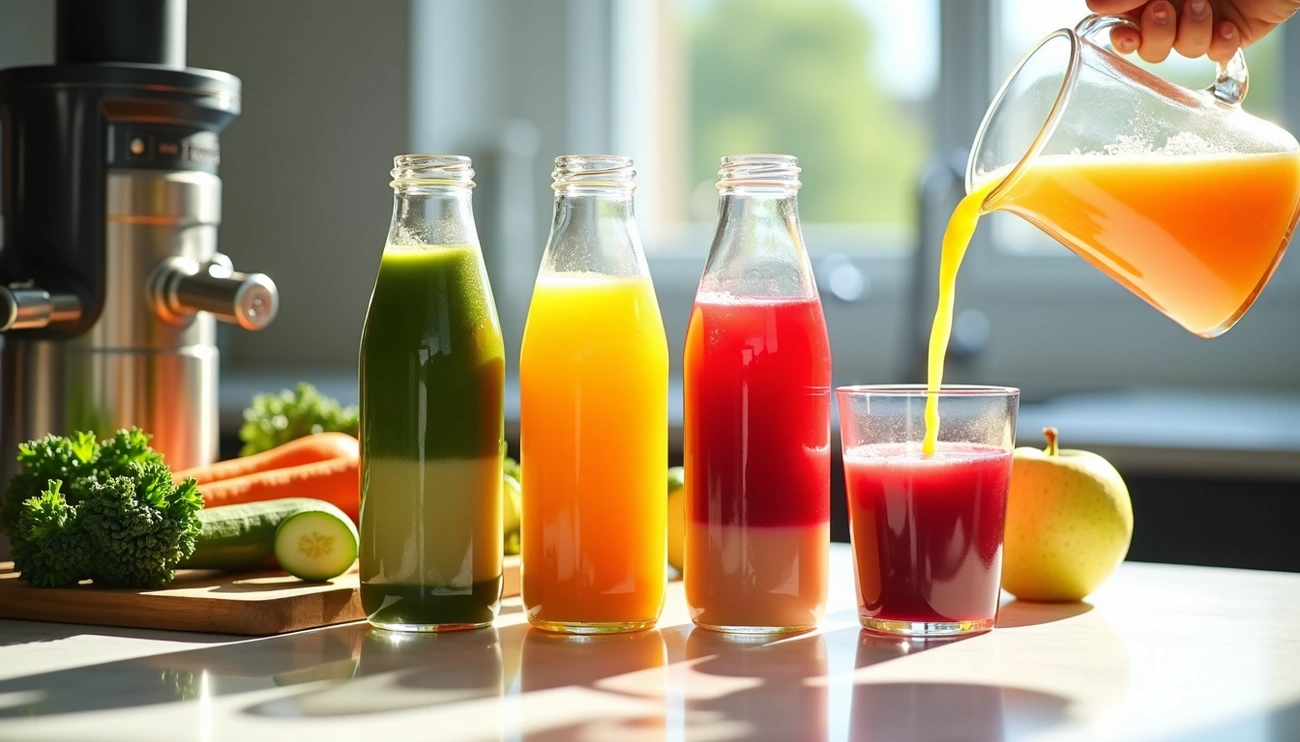
Pressed Juicery is healthy because it provides a nutrient-dense source of vitamins, minerals, and antioxidants through a cold-pressed, non-heated process that preserves nutrients. Pressed Juicery contains low fiber and can contain 20–40 grams of sugar per bottle in fruit-heavy options, so treat it as a supplement to a balanced diet rather than a meal replacement.
What is Pressed Juicery and how is it made?
Pressed Juicery stands out as a brand specializing in juices made through hydraulic pressing—a method that fundamentally differs from conventional juicing techniques. Their products feature premium produce harvested at peak freshness, with minimal preservatives except for vitamin C (ascorbic acid) in select recipes.
Cold-pressed vs traditional juicing
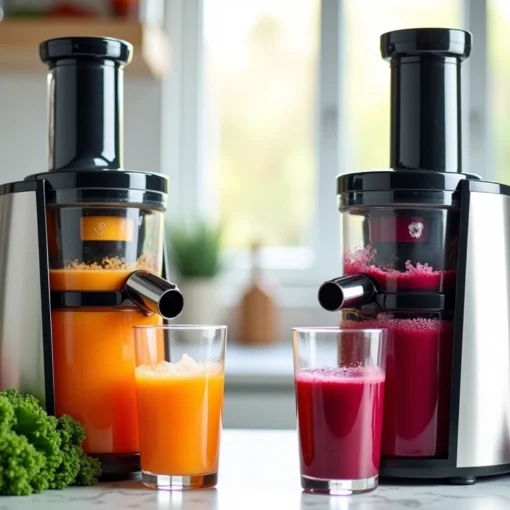
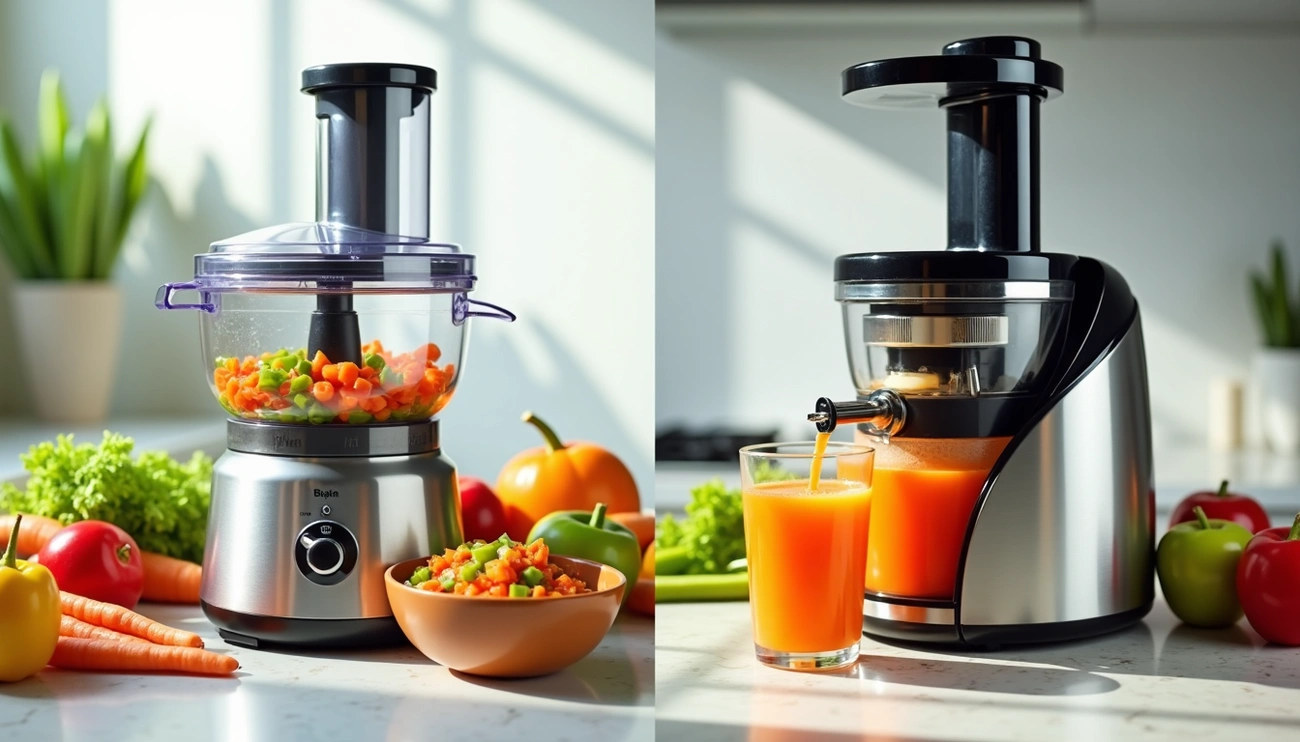
The distinction between cold-pressed and traditional juicing lies primarily in the extraction process. Traditional juicers use centrifugal force with fast-spinning blades that generate heat during extraction. This heat can break down delicate nutrients and enzymes.
In contrast, cold-pressing involves:
- First crushing fruits and vegetables into a pulp
- Then using hydraulic pressure between two plates to extract the juice
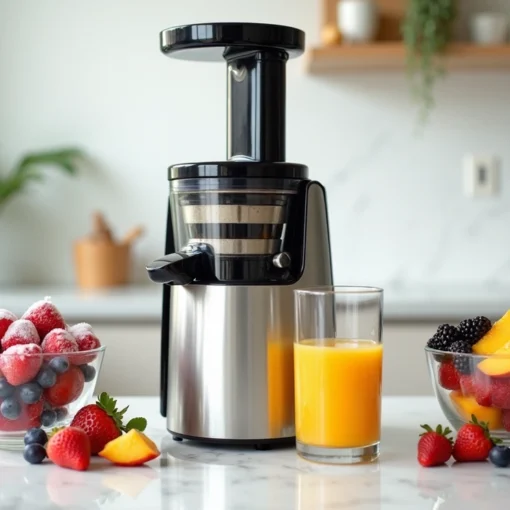
This slow, steady pressure method minimizes heat generation and oxidation, preserving more of the natural nutritional content. Furthermore, some studies suggest cold-pressed juice could contain three to five times more nutrients than pasteurized juice.
How Pressed Juicery extracts nutrients
Pressed Juicery utilizes the cold-press method followed by a preservation technique called HPP (High Pressure Processing). Unlike conventional pasteurization that relies on heat, HPP applies extreme water pressure to neutralize potentially harmful bacteria.
This process maintains higher nutrient density while minimally impacting vitamins, antioxidants, and flavor. Essentially, HPP offers one of the most nutrient-rich juice options available, making it ideal for health-conscious consumers seeking maximum nutritional benefit without sacrificing quality or taste.
Why no heat matters in nutrient retention
Heat sensitivity is the key factor in nutrient preservation. Specifically, certain vitamins—such as vitamin C, folate, and B vitamins—degrade rapidly when exposed to high temperatures. Similarly, enzymes that aid digestion and overall body function are particularly delicate and easily destroyed by heat.
The absence of heat during cold-pressing preserves these essential components. Consequently, the juice retains more of its original vitamins, minerals, and enzymes. Additionally, the minimal oxidation extends shelf life—without HPP, cold-pressed juices typically last up to three days in refrigeration, but with HPP, shelf life extends to approximately 30 days.
This preservation of nutrients forms the foundation of many cold pressed juice benefits, addressing the question: is pressed juicery healthy compared to conventional options?
The health benefits of cold-pressed juice
The nutritional power of cold-pressed juice stems primarily from its extraction method that preserves vital compounds often lost in traditional juicing. Cold-pressed juice retains significantly more vitamins, minerals, and bioactive elements compared to other juice varieties, making it a potent wellness tool.
Rich in vitamins and antioxidants
Cold-pressed juices serve as concentrated sources of essential nutrients. A single serving can deliver substantial amounts of vitamin A for vision and immunity, vitamin C for collagen production, vitamin E for cell protection, vitamin K for bone health, and B vitamins for energy metabolism. The cold-pressing process preserves these nutrients by avoiding heat degradation, maintaining higher levels of polyphenols and flavonoids – powerful antioxidants that combat cellular damage.
Supports hydration and energy
Beyond simple hydration, cold-pressed juices offer concentrated nourishment with natural electrolytes. Many ingredients like cucumber, celery, and watermelon contain over 90% water along with potassium and magnesium that help your body retain moisture. For energy, cold-pressed juices provide natural sugars coupled with electrolytes that offer sustained vitality without caffeine crashes. Notably, beet-based juices contain nitrates that improve blood flow and oxygen delivery to muscles.
May aid digestion and detox
The enzymes preserved in cold-pressed juice facilitate food breakdown and nutrient absorption. Ingredients like cucumber, parsley, and celery function as natural diuretics, helping eliminate excess water and waste. First and foremost, these juices support your body’s natural detoxification systems rather than replacing them, offering gentle assistance to liver and kidney function.
Pressed juice benefits for skin and immunity
The nutritional profile of cold-pressed juices directly impacts skin health and immune function. Vitamin C supports collagen production while zinc aids cell turnover for clearer, more radiant skin. Throughout cold and flu season, the concentrated vitamin C, zinc, and antioxidants in these juices strengthen immune function. Furthermore, ingredients like citrus and elderberry provide additional immune-supporting compounds.
The downsides: Is cold-pressed juice always healthy?
Despite their nutritional value, cold-pressed juices come with several drawbacks worth considering before making them a dietary staple. Although many health enthusiasts swear by them, these beverages aren’t the miracle elixirs they’re sometimes portrayed to be.
Lack of fiber and satiety
The cold-pressing process removes most of the fiber found in whole fruits and vegetables. This fiber loss is significant for two reasons. First, fiber acts as a prebiotic necessary for gut health, feeding beneficial bacteria that perform essential functions including vitamin production. Second, without fiber to slow digestion, you’ll likely feel hungry soon after drinking juice since you bypass important satiety mechanisms.
This missing fiber creates another problem – without it to “pump the brakes,” your body absorbs the sugars much faster, potentially sending your glucose levels on a roller coaster.
High natural sugar content
Even without added sweeteners, cold-pressed juices can contain substantial sugar. A single six-ounce serving of 100% fruit juice typically contains 15-30 grams of sugar and 60-120 calories. Indeed, a standard 16-ounce bottle of cold-pressed juice may contain up to 29 grams of sugar.
The reality is that fruit-forward juices naturally contain more sugar than vegetable-heavy blends. Moreover, studies show drinking just one glass of 100% fruit juice daily leads to gaining nearly half a pound over three years.
Potential calorie overload
Although marketed as health drinks, juices aren’t calorie-free. A typical 16-ounce cold-pressed juice contains approximately 183 calories. Unfortunately, research indicates people tend to add juices to their diets rather than substitute them for other foods, thereby increasing their total calorie consumption.
To burn off those 183 calories from a single 16-ounce serving would require about 80 minutes of walking, 23 minutes of jogging, or 32 minutes of swimming.
Is cold pressed juice good for you every day?
Daily consumption of cold-pressed juice may not be ideal for everyone. Ironically, studies indicate that daily juice drinking might increase disease risk – consuming more than five servings weekly was associated with increased risk of metabolic syndrome.
For those with diabetes or at risk, replacing juice with water is recommended to better manage blood glucose levels. Yet, moderate intake (75-224 mL daily) hasn’t shown increased risk of obesity, type 2 diabetes, or cardiovascular disease.
The bottom line? Cold-pressed juice can be part of a healthy diet when consumed occasionally, but shouldn’t replace whole fruits and vegetables.
What nutritionists really think
Professional dietary experts have nuanced views on where cold-pressed juices fit in a healthy eating pattern. Their evidence-based perspective cuts through marketing claims to provide practical guidance.
When juice fits into a balanced diet
Nutritionists emphasize that cold-pressed juices should function as supplements to a balanced diet, not meal replacements. For optimal nutrition, they recommend pairing juices with protein sources, healthy fats, and whole grains. According to experts, if juice is truly the only way you’re willing to consume fruits or vegetables, then drinking it in moderation is acceptable. Nevertheless, portion control remains critical—limiting intake to ½-1 cup daily prevents excess sugar consumption.
Juice vs smoothie: which is better?
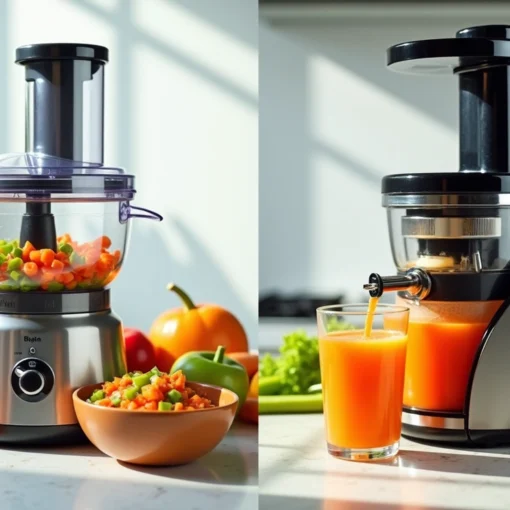
Experts overwhelmingly favor smoothies over juices. Primarily, smoothies retain fiber that juices lack, providing better blood sugar management and digestive health. Furthermore, smoothies offer greater satiety, keeping you fuller longer. Throughout scientific literature, evidence indicates the fiber in smoothies may even help us get the full health benefits from whole foods. First and foremost, nutritionists recommend “blend, don’t juice” to maintain those healthy elements like fiber.
Tips from experts on choosing healthy juices
If you do opt for juice, nutritionists suggest:
- Follow the 80/20 rule: Make juices 80% vegetables and 20% fruit to limit sugar
- Choose certified organic varieties to avoid pesticides
- Pair juice with protein (like eggs or nuts) to slow blood sugar response
- Select vegetable-forward options featuring greens, cucumber, and celery
Conclusion
Cold-pressed juices certainly offer numerous health benefits thanks to their nutrient-rich profile and preservation of essential vitamins and antioxidants. Nevertheless, they come with significant drawbacks we must acknowledge. The absence of fiber, high natural sugar content, and potential for calorie overload make daily consumption questionable for most people.
Rather than viewing Pressed Juicery as either entirely healthy or unhealthy, we should consider it as one potential component of a balanced diet. Moderation remains key. Most nutritionists agree these beverages work best as occasional supplements rather than dietary staples or meal replacements.
For those who enjoy cold-pressed juices, several practical approaches can maximize benefits while minimizing drawbacks. Choosing vegetable-forward blends with minimal fruit reduces sugar intake significantly. Additionally, pairing your juice with protein-rich foods helps mitigate blood sugar spikes. Above all, limiting portion sizes to 4-8 ounces prevents overindulgence.