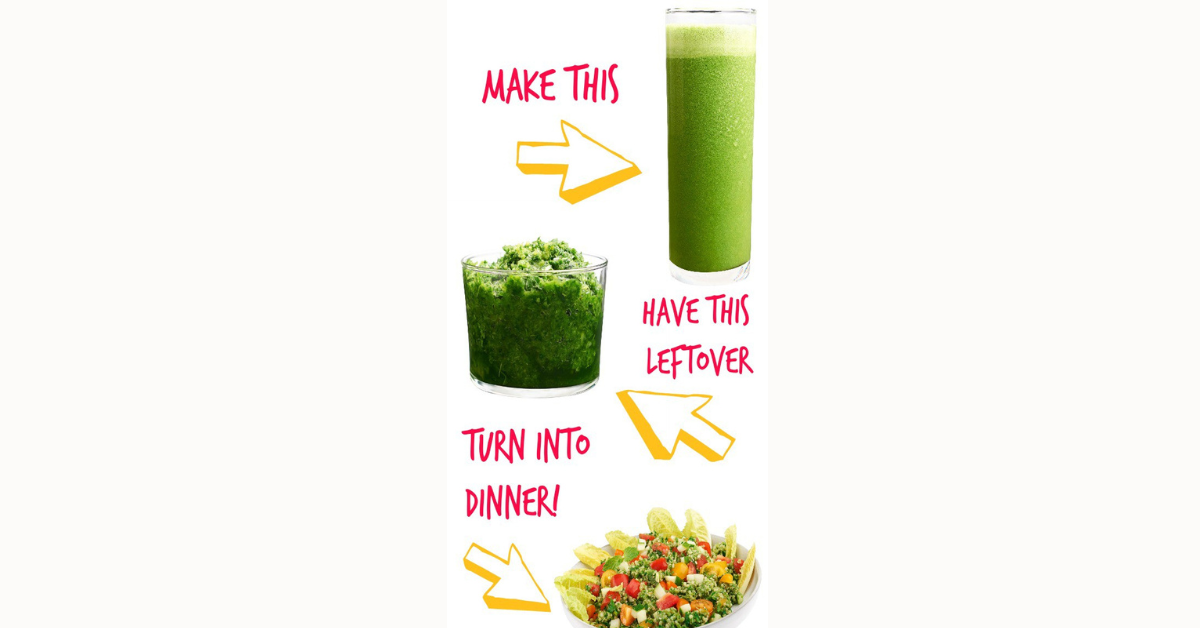
Use juice pulp to add fiber and nutrients to food. Mix pulp into smoothies, soups, and sauces, or bake it into muffins, breads, and crackers. Juice pulp also works for veggie burgers, fruit leather, popsicles, composting, and homemade pet treats.
Creative Snacks You Can Make with Juice Pulp
That leftover fiber from your juicer doesn’t have to end up in the trash. The pulp contains valuable nutrients and can transform into delicious snacks with minimal effort. I’ve experimented with various recipes and found these three categories to be particularly successful.
Crackers with added fiber and crunch
Juice pulp crackers are surprisingly simple to make and offer a fantastic fiber boost. The veggie pulp is especially excellent for creating savory crackers with complex flavors. For the best results, juice vegetables like carrots, beets, or celery first if you plan to keep the pulp for crackers.
Creating basic pulp crackers requires just a few ingredients:
- 2 cups of vegetable juice pulp
- ¼ cup ground flax seeds
- 1 tablespoon chia seeds
- ½ teaspoon sea salt
Mix these ingredients with just enough water to form a dough, spread thinly on parchment paper, and either bake at 350°F for about 40 minutes or use a dehydrator for 10-12 hours. The crackers are done when they feel crisp and no longer give when pressed.
Homemade fruit leather for healthy snacking
Unlike store-bought fruit roll-ups filled with artificial colors and excess sugar, homemade fruit leather using juice pulp offers a healthier alternative that preserves fiber. Furthermore, making fruit leather from pulp is easier since most of the prep work is already done – the fruit is peeled, mashed, and partially drained.
To make basic fruit leather, spread the fruit pulp evenly on a parchment-lined baking sheet or dehydrator tray. For best results, add a little natural sweetener like honey or maple syrup to help the pulp stick together. Dry in an oven at its lowest setting for 6-8 hours or until the leather feels pliable and no longer sticky.
Energy bars using pulp, oats, and nuts
Energy bars are perhaps the most satisfying way to use leftover juice pulp. The basic formula combines pulp with oats, nuts, seeds, and a binding agent.
A simple recipe includes:
- 1 cup juice pulp (fruit or vegetable)
- 1-2 cups oats
- ½ cup chopped nuts (walnuts, almonds, or cashews work well)
- ¼ cup honey or maple syrup
- Optional add-ins: chia seeds, flax seeds, dried fruit, or chocolate chips
Mix everything together until well combined, press firmly into a lined baking pan, and bake at 325°F for about 20 minutes until it begins to brown. Alternatively, you can refrigerate the mixture for firmer bars.
What makes these snacks especially valuable is their fiber content – something many of us need more of in our diets. Additionally, they help reduce food waste while providing nutritious alternatives to processed snacks.
Baking Ideas Using Leftover Juice Pulp
Leftover juice pulp creates wonderfully moist baked goods while reducing food waste. Adding pulp to your favorite recipes introduces natural fiber and nutrition that’s typically lost during juicing. Let me share some of my favorite ways to incorporate this nutritious ingredient into delicious treats.
Moist cupcakes with natural sweetness
Carrot juice pulp makes exceptional cupcakes with natural sweetness and moisture. The pulp from carrot, apple, lemon, and ginger juice blends works particularly well. For a healthier alternative, you can even reduce the amount of oil or butter in your recipes when using pulp. These treats stay incredibly moist thanks to the fiber content in the pulp.
One baker noted, “These are the absolute best carrot cupcakes! They are so moist and not so sweet, which is how I prefer them”. Moreover, you can create gluten-free versions by substituting traditional flour with coconut, almond, or chickpea flour.
Juice pulp bread for added texture
Juice pulp bread offers a perfect way to utilize larger quantities of leftover pulp. The added texture creates an interesting mouthfeel that’s impossible to achieve with standard ingredients alone. A basic recipe requires just a few pantry staples alongside 1½ cups of pulp.
“I often make mine in muffin tins for snack-size treats, or enjoy a thick slice for breakfast with some fresh fruit compote,” shares one home baker. Consequently, this versatile recipe works with virtually any pulp combination. The bread freezes well too, making it perfect for meal prep.
Muffins and cakes with veggie pulp
The vibrant colors from veggie pulp create visually striking baked goods. Beet pulp, for instance, gives a beautiful pink hue to muffins. Indeed, some parents call these “sunset muffins” because of their striking appearance.
For pulp-based cakes, the moisture content is key. “This definitely sounds so yummm… I’m gonna try that out,” remarked one baker trying a beetroot and carrot pulp cake. To avoid dryness, some recipes recommend adding a few tablespoons of the fresh juice alongside the pulp.
Remember that most pulp types work well in baking, although extremely bitter or strongly flavored varieties might need to be balanced with sweeter ingredients. The possibilities are nearly endless!
Savory Dishes and Meal Additions
Beyond sweet treats, juice pulp transforms everyday savory dishes into fiber-rich meals. The insoluble fiber in pulp supports healthy digestion and helps reduce toxin buildup in your body.
Veggie burgers with pulp for moisture
Pulp from your juicer creates exceptionally moist, tender veggie burgers while adding subtle flavors and nutritional content. The moisture from pulp helps bind ingredients together without becoming dry. For a simple pulp burger, combine 100g juice pulp (preferably containing beetroot), 100g tempeh or mashed beans, soy sauce, spices, and binding ingredients. These patties develop a delicious crust when fried before finishing in the oven.
Soups and broths with added depth
Juice pulp makes an excellent base for homemade vegetable broth. Initially, sauté pulp with onions and garlic, then simmer with herbs, spices, and water for 45-60 minutes. This approach creates depth of flavor while utilizing nutrients that might otherwise be discarded.
Some cooks add pulp directly to soups and stews—one chef noted that when added to chili, “the pulp had seemingly melted into the chili”, invisibly boosting vegetable content. Correspondingly, pulp works beautifully in minestrone, providing thickness without changing the flavor profile.
Smoothies with extra fiber boost
Adding pulp to smoothies creates a thick, milkshake-like consistency while delivering extra fiber that helps you feel fuller longer. This technique works with both fruit and vegetable pulps—even earthy pulps blend nicely when balanced with sweet ingredients like bananas.
Beyond the Kitchen: Other Smart Uses
Looking beyond culinary creations, juice pulp offers several practical uses that prevent waste and provide additional benefits. These alternatives help make juicing a truly zero-waste process.
Compost to enrich your garden
Juice pulp makes an excellent addition to compost piles, providing valuable nutrients that help produce healthy, high-yielding plants. Essentially, adding pulp to your compost creates a perfect “green” material rich in nitrogen that balances with “brown” carbon-rich materials like dried leaves or newspaper. For best results, mix pulp with brown materials rather than applying directly to garden beds, as wet pulp alone can attract flies and vermin.
Dog food toppers with safe fruit pulp
Instead of discarding nutrient-rich pulp, consider adding it to your pet’s diet. This addition provides extra fiber and nutrition to their meals. Most importantly, always verify which fruits and vegetables are safe – avoid onions, grapes, apple seeds, and citrus, as they can be harmful to dogs. Safe options include carrot, kale, cucumber, seedless apples, spinach, melons, and pear.
Freeze pulp for future use
Cannot use your pulp immediately? Simply freeze it for later applications. An effective method involves placing pulp in ice cube trays, creating convenient portions for future recipes. Alternatively, store pulp in glass containers or sealed bags in your freezer. This approach ensures nothing goes to waste while preserving nutritional value for weeks or months.
Conclusion
Juice pulp proves far too valuable to discard without a second thought. After all, this fiber-rich byproduct offers countless opportunities to enhance your nutrition while reducing household waste. Throughout this article, we’ve explored how those leftover fibers from juicing can transform into delicious crackers, fruit leather, energy bars, and baked goods that the whole family will enjoy.
Most compelling evidence shows that incorporating pulp into savory dishes like veggie burgers and hearty soups adds both texture and nutritional value to everyday meals. Additionally, your garden and even your pets can benefit from this resource that many people mistakenly throw away.
Consequently, your juicer can now become a truly zero-waste kitchen tool. Rather than viewing pulp as a nuisance, consider it a versatile ingredient waiting to be utilized. The next time you finish juicing, take a second look at that fibrous material and remember the numerous recipes and uses we’ve discussed.