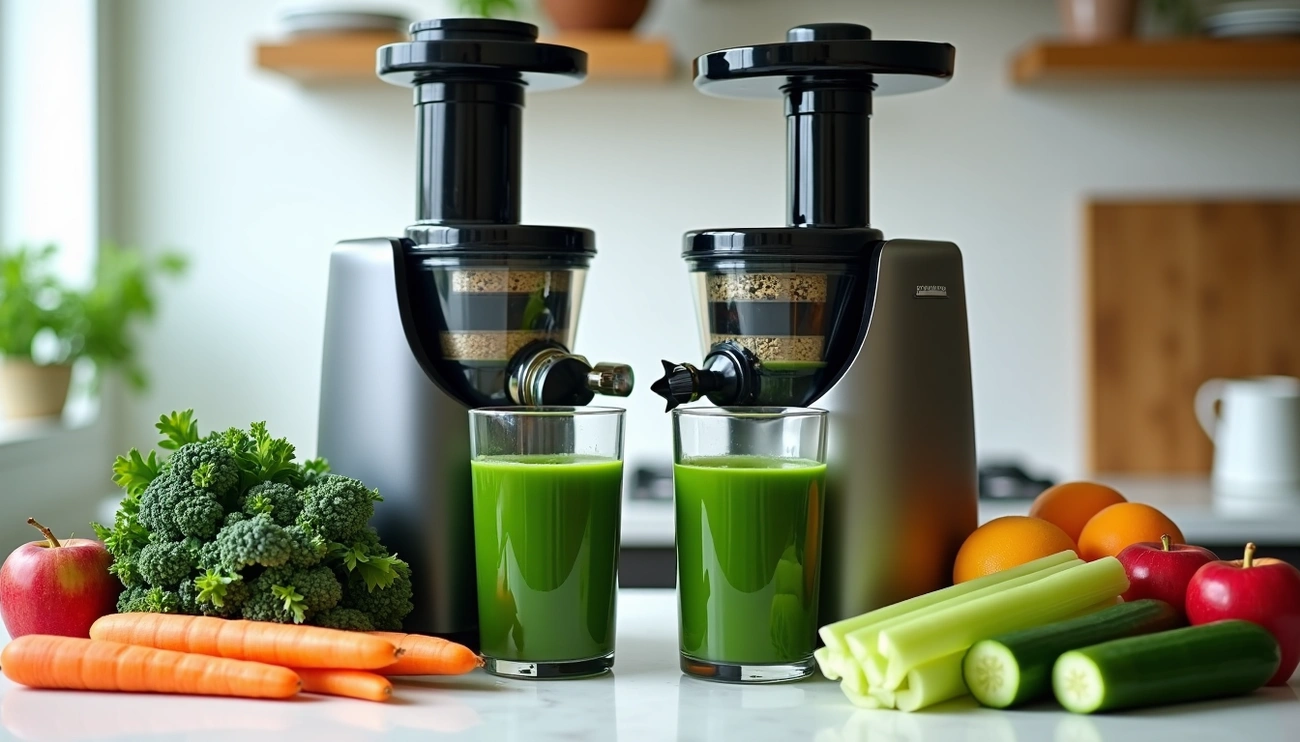
The best Hurom slow juicers for tofu are the H-AA Alpha Series and the HZ Slow Juicer because both support the Hurom Tofu Press accessory. These models, along with the H-AE, H-AF, and earlier masticating models, use slow-squeezing technology to extract soy milk, which solidifies into tofu.
Understanding the Basics of Tofu Making with a Juicer
Tofu originated in China and consists of condensed soy milk pressed into solid white blocks through a process similar to cheese-making. Essentially, it’s a protein-rich food derived from soybeans that serves as a staple in many plant-based diets. The traditional process involves soaking soybeans, grinding them with water, cooking the resulting milk, and adding a coagulant to form curds that are then pressed into blocks.
What is tofu and how is it made?
The core ingredients for tofu are surprisingly simple: soybeans, water, and a coagulant such as calcium sulfate, magnesium chloride, or delta gluconolactone. After soaking soybeans until they expand to 2-3 times their original size, the beans are processed to extract soy milk. This milk is then heated, combined with a coagulant which causes it to curdle, and finally pressed to remove excess water—resulting in the familiar white blocks with varying degrees of firmness depending on the pressing duration.
Why use a juicer for tofu?
Previously, making tofu at home involved the messy, time-consuming process of blending soaked soybeans and straining the mixture through muslin cloth by hand. However, a cold-press juicer like the Hurom H400 revolutionizes this process. The juicer effectively separates the soy milk from the okara (soy pulp) in one seamless step, making what was once a ceiling-splattering mess into a clean, contained process.
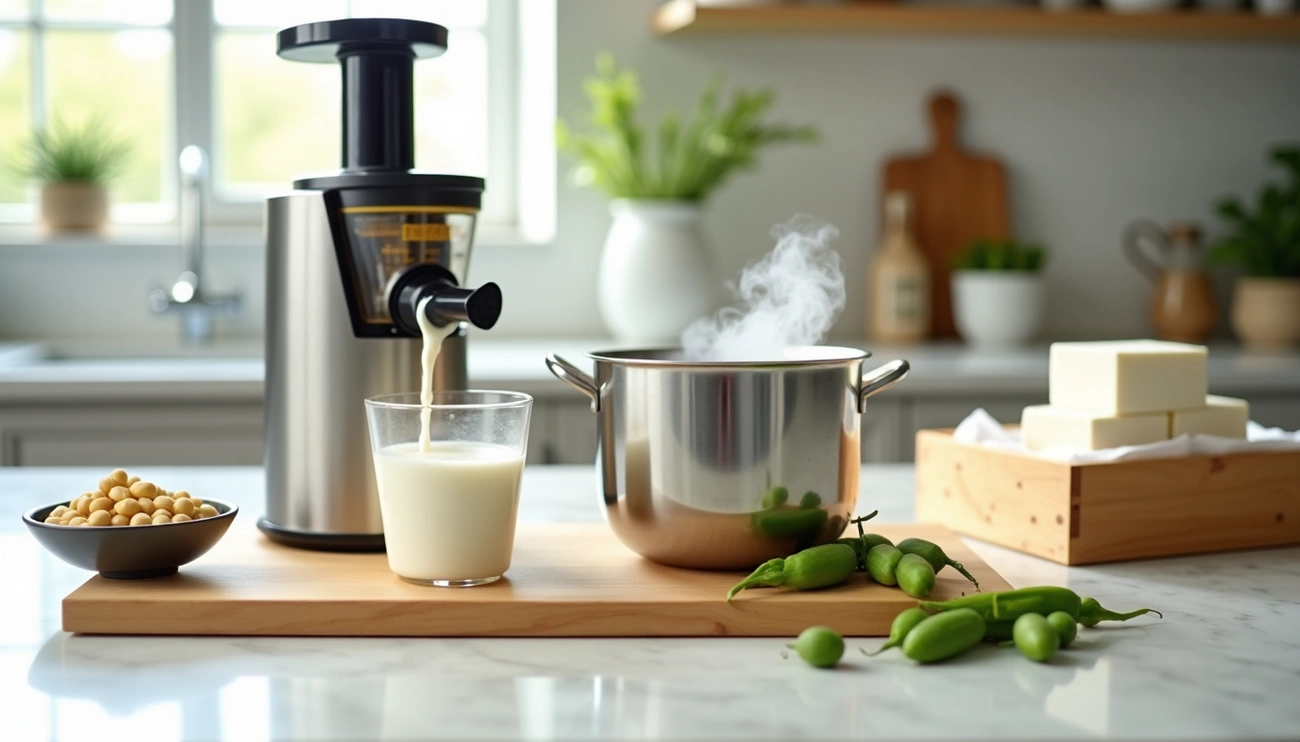
Additionally, using a Hurom slow juicer for tofu preparation simplifies the entire workflow. You simply feed soaked beans alternately with water through the machine, which extracts the soy milk while automatically separating and ejecting the pulp. This method also produces drier okara, making it easier to use in other recipes.
Benefits of homemade tofu
Making tofu with your Hurom H400 offers numerous advantages beyond convenience. Homemade tofu contains no preservatives or packaging waste, and you control exactly what goes into it. Moreover, tofu provides impressive nutritional benefits—it’s rich in plant protein, contains calcium for bone health, and offers soy isoflavones that may help lower bad cholesterol levels.
Another major benefit is customization—you can adjust the firmness by controlling pressing time and even create flavored varieties by adding vegetables like carrots or spinach directly into the juicing process. The ability to prepare fresh tofu on demand ensures you always have this versatile protein source available for your culinary creations.
Which Hurom Models Can Make Tofu?
Several Hurom slow juicers excel at making homemade tofu, with specific models designed to streamline the process from soybeans to finished product.
Hurom H400 Easy Clean Slow Juicer
The Hurom H400 Easy Clean Slow Juicer stands out as an excellent option for tofu production. This flagship model features a revolutionary strainer-free chamber set that makes the soy milk extraction process remarkably efficient. Its self-feeding hopper accommodates large quantities of soaked soybeans, eliminating the need for constant feeding during operation.
What makes the H400 particularly suitable for tofu making is its exceptional juice yield – the patented Slow Squeeze technology extracts every possible drop from your soybeans, resulting in rich, high-quality soy milk. The two-part auger meshes together to strain out minimal pulp, creating the clean soy milk base necessary for perfect tofu. Despite not explicitly advertising tofu making capabilities, the H400’s design naturally lends itself to efficient soy milk production – the crucial first step in tofu creation.
Hurom H-AA Slow Juicer
The Hurom H-AA Slow Juicer is specifically designed for tofu making, with Hurom officially demonstrating this capability in their promotional materials. This model comes equipped with a dedicated tofu press attachment, making it arguably the most tofu-friendly option in the lineup.
Indeed, the H-AA’s Alpha technology retains all natural nutrients during the extraction process, consequently creating nutritionally superior soy milk for your tofu. Hurom explicitly states that “making tofu at home may seem daunting at first, but the process is easier than you think especially with your Hurom juicer” when referring to this model. Therefore, if tofu production is your primary goal when purchasing a juicer, the H-AA deserves serious consideration.
Other compatible Hurom models
Notably, the entire Alpha Series of Hurom juicers includes tofu presses that make homemade tofu production accessible. The H-AE Series, H-AF Series, and HZ Series all accommodate the same tofu press attachment as the H-AA model.
The HZ Slow Juicer, primarily known for its citrus squeezer function, also comes with a tofu press “to help you easily make delicious tofu for a healthy salad at home”. For those interested in making tofu from soybeans, these Alpha technology models provide consistent results while retaining maximum nutrients. Ultimately, any Hurom slow juicer with a compatible tofu press offers the ability to create fresh, preservative-free tofu in your own kitchen.
Step-by-Step Guide: Making Tofu with a Hurom Juicer
Making your own tofu with a Hurom juicer is straightforward once you know the steps. Let’s dive into the process of transforming simple soybeans into delicious homemade tofu.
1. Soaking and preparing soybeans
Initially, rinse 1 cup of dried soybeans thoroughly under cool water. Place them in a large bowl and add enough water to cover the beans by 2-3 inches. Allow them to soak for 8-18 hours or overnight. The beans are properly soaked when they’ve doubled in size and split easily when gently squeezed.
2. Extracting soy milk using the juicer
Set up your Hurom H400 with the fine strainer. Prior to adding beans to the chute, ensure the lever valve is closed. Alternate adding soaked beans and water (about 2 cups total) through the chute. Open the lever valve before adding the last scoop. Your Hurom slow juicer will separate the milk from the okara (soy pulp) automatically.
3. Heating and adding coagulant
Transfer the soy milk to a pot and bring to a boil. Simmer for 3-5 minutes until it smells sweet rather than beany. For the coagulant, prepare either:
- 1.5 teaspoons food-grade gypsum dissolved in 1 cup hot water
- 2 teaspoons Epsom salt in ½ cup water
- Fresh lemon/lime juice (though this affects flavor)
Once the milk reaches about 180°F, stir in the coagulant gently. Cover and let stand for 10-15 minutes until clear curds form.
4. Pressing and shaping the tofu
Line a colander or tofu press with cheesecloth. Gently transfer the curds using a slotted spoon. Fold the cloth over the curds and apply gentle pressure. Place a weight on top (1-2 pounds) for 30-60 minutes depending on your desired firmness.
5. Optional: Adding vegetables or flavorings
For flavored tofu, blend vegetables like carrots or spinach with water before the juicing stage. Alternatively, add mild seasonings to your coagulant solution for subtle flavoring throughout.
Tips for Best Results and Common Mistakes to Avoid
The small details often determine success or failure when making tofu with your Hurom H400. Mastering these crucial elements will elevate your homemade tofu game.
Choosing the right coagulant
The coagulant you select dramatically impacts your tofu’s texture and taste. Gypsum (calcium sulfate) creates slightly sweet, creamy tofu and works best at 1.5 teaspoons per batch. Alternatively, nigari (magnesium chloride) produces firmer tofu with smaller curds. Although lemon juice or vinegar can work in emergencies (2 tablespoons mixed with ½ cup water), they create grainy, sour-tasting tofu.
Maintaining the right temperature
Temperature control remains absolutely vital for proper coagulation. For gypsum, maintain 80°-82°C (176°-180°F); whereas nigari works optimally at 74°-76°C (165°-169°F). Too hot, your tofu becomes grainy; too cold, coagulation fails completely. Always use a cooking thermometer – guesswork leads to disappointment.
Cleaning your Hurom juicer after tofu making
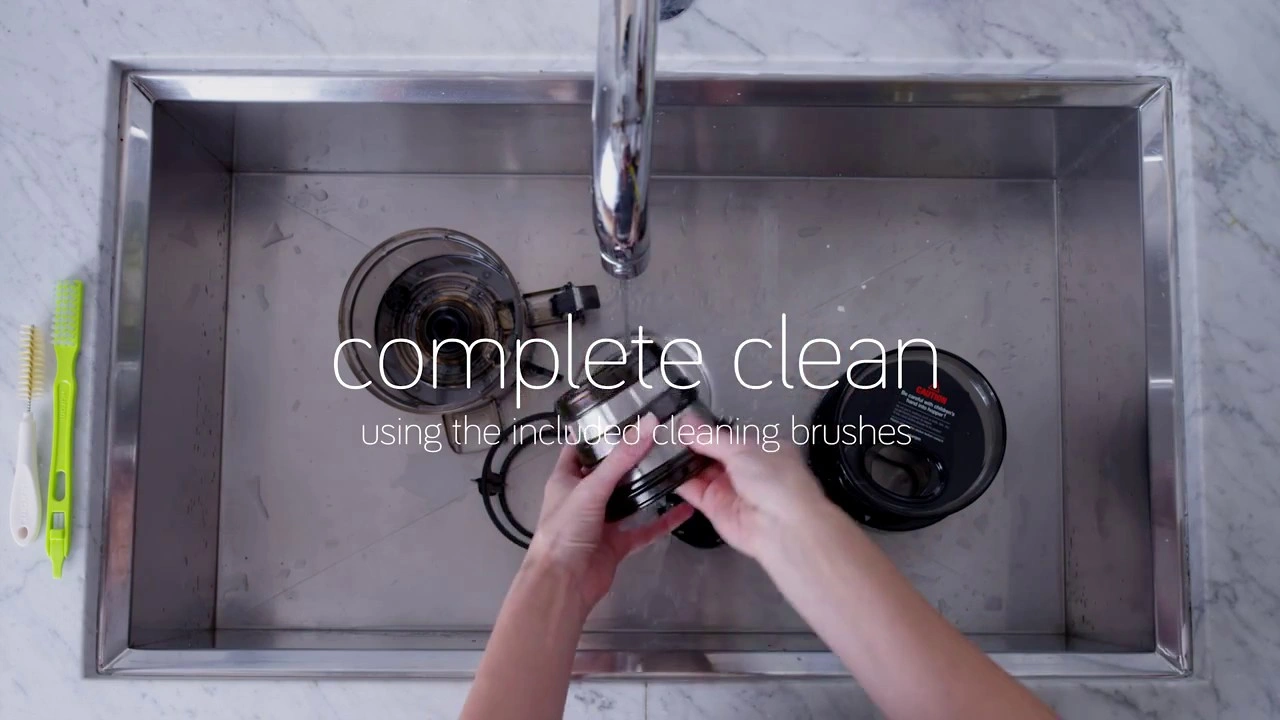
Immediately after use, move your Hurom H400 Easy Clean Slow Juicer’s lever to half-closed position and run water through to flush remaining soybean residue. Since soybeans contain oils that can build up, disassemble the chamber set completely afterward. Unlike with juice cleaning, pay extra attention to the fine strainer which may trap soybean particles. Store tofu submerged in cold water, changing it every 1-2 days for freshness.
Conclusion
Making tofu at home transforms from a daunting challenge into an accessible kitchen activity with the right Hurom slow juicer. Throughout this guide, we’ve seen how models like the H400 and H-AA excel at extracting high-quality soy milk – the crucial first step toward delicious homemade tofu. The previously messy, labor-intensive process now becomes streamlined and efficient thanks to these innovative machines.
Beyond convenience, homemade tofu offers undeniable advantages. You control exactly what goes into your tofu, eliminate preservatives, and customize the firmness and flavor to suit your preferences. Additionally, the ability to incorporate vegetables like carrots or spinach directly during the juicing process allows for creative variations impossible to find in store-bought versions.
The step-by-step process we’ve outlined – from soaking soybeans to extracting milk, adding coagulant, and finally pressing your tofu – might seem technical at first. Still, after your first successful batch, you’ll wonder why you didn’t try making tofu sooner. Careful attention to details like coagulant type, temperature control, and proper cleanup ensures consistent results every time.